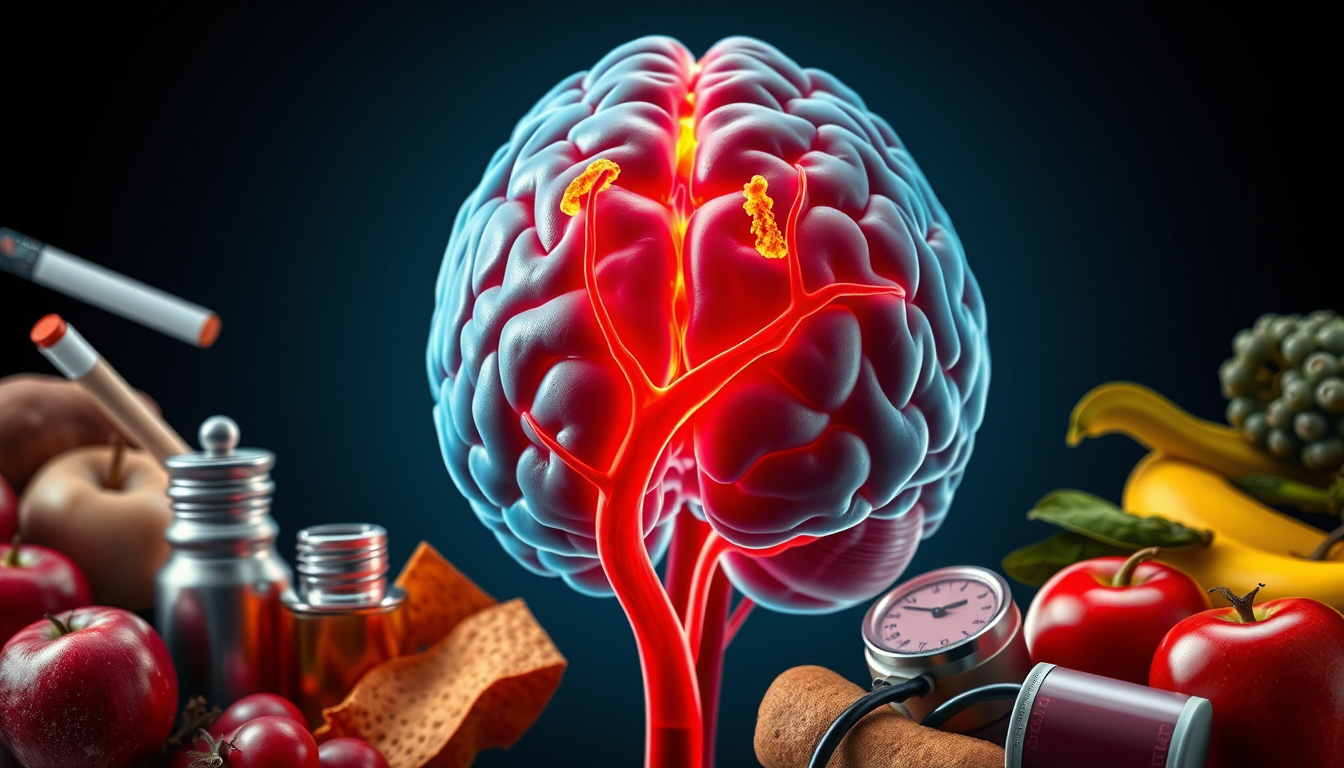
A stroke occurs when blood flow to the brain is suddenly interrupted, causing brain cells to die within minutes. This medical emergency ranks among the leading causes of disability and death worldwide, yet many cases are preventable by understanding and managing underlying risk factors. The two primary mechanisms—blocked arteries and ruptured blood vessels—account for the vast majority of stroke events, with each type driven by distinct but often overlapping causes.
Research consistently shows that certain lifestyle choices and medical conditions dramatically increase stroke vulnerability. While some risk factors like age and genetic predisposition cannot be changed, the majority of stroke causes are modifiable through informed lifestyle decisions and appropriate medical care. This distinction between fixed and changeable risk factors forms the foundation of effective stroke prevention strategies.
Understanding what triggers a stroke requires examining both the immediate physiological mechanisms and the long-term conditions that set the stage for cerebrovascular events. From hypertension to heart arrhythmias, each cause interacts with individual health profiles in complex ways that this article explores in detail.
What Are the Main Causes of a Stroke?
The human brain requires a constant supply of oxygen-rich blood to function properly. When this supply is compromised—whether through blockage or bleeding—the consequences can be devastating and rapid. Medical classification divides strokes into two distinct categories based on their underlying mechanism, each with specific causes and implications for treatment.
Occurs when an artery supplying blood to the brain becomes blocked, typically by a blood clot. This accounts for approximately 80-85% of all stroke cases.
Occurs when a blood vessel in the brain ruptures or leaks, causing bleeding that damages brain tissue. Though less common, this type often proves more severe.
Hypertension stands as the single most important risk factor, responsible for 54% of population attributable stroke risk. Atrial fibrillation represents another major contributor.
Lifestyle modifications targeting modifiable risk factors can significantly reduce stroke incidence. Blood pressure control remains the most impactful intervention.
According to the American Heart Association, the INTERSTROKE study demonstrates that reduction of modifiable risk factors is critical for preventing first stroke events. The research identified hypertension as the leading modifiable cause, followed by smoking, poor diet, and physical inactivity.
- Approximately 80-85% of strokes are ischemic, caused by blocked arteries
- Hypertension alone accounts for over half of all stroke risk in the general population
- Heart disease represents the second most important risk factor and the leading cause of death among stroke survivors
- Smoking nearly doubles the risk of ischemic stroke
- Diabetes mellitus significantly increases stroke vulnerability
- Genetic factors can cause rare hereditary strokes or influence more common stroke causes
Population-level research reveals that the combination of hypertension, cardiac disease, and lifestyle factors accounts for the majority of stroke events. Individual risk profiles vary significantly based on age, sex, ethnicity, and underlying health conditions.
| Risk Factor | Description | Impact Level |
|---|---|---|
| Hypertension | High arterial pressure damages blood vessel walls and promotes clot formation | Highest (54% attributable risk) |
| Atrial Fibrillation | Irregular heartbeat causes blood pooling and clot formation in the heart | Very High |
| Diabetes | Chronic high blood sugar damages blood vessels and promotes atherosclerosis | High |
| Smoking | Damages endothelial lining, increases clot formation, raises blood pressure | High (nearly doubles ischemic risk) |
| High Cholesterol | Promotes plaque buildup in arteries (atherosclerosis) | Moderate to High |
| Obesity | Increases strain on cardiovascular system and associated conditions | Moderate |
| Excessive Alcohol | Raises blood pressure; binge drinking particularly risky | Moderate |
| Physical Inactivity | Contributes to obesity, hypertension, and poor cardiovascular health | Moderate |
What Causes a Stroke in Young People?
Although stroke risk increases substantially with age, younger individuals—including children and adults under 50—can experience cerebrovascular events. Causes in this demographic often differ from those seen in older populations, requiring distinct diagnostic and therapeutic approaches.
Research from Johns Hopkins Medicine indicates that certain risk factors disproportionately affect younger people. Heart abnormalities present from birth, blood clotting disorders, and substance abuse represent common contributors to stroke in this age group.
Common Causes in Younger Adults
Patent foramen ovale (PFO)—a small opening between the heart’s upper chambers that normally closes after birth—exists in approximately 25% of the general population. This condition can allow blood clots to bypass the lungs and travel directly to the brain, increasing stroke risk in otherwise healthy young adults.
Blood clotting disorders (thrombophilias) such as Factor V Leiden mutation, antiphospholipid syndrome, or protein C deficiency can cause abnormal clot formation at any age. These genetic or acquired conditions cause blood to clot excessively, potentially leading to strokes in young people without traditional risk factors.
When a young person experiences a stroke without obvious risk factors, thorough testing for cardiac abnormalities, blood clotting disorders, and genetic conditions becomes essential. Identifying these underlying causes can guide appropriate secondary prevention strategies.
Illegal drug use—including cocaine, amphetamines, and heroin—represents a significant stroke risk factor in younger populations. These substances can cause sudden blood pressure spikes, arterial damage, and cardiac arrhythmias that precipitate cerebrovascular events.
Pregnancy and Hormonal Factors
Pregnancy increases stroke risk through several mechanisms. The hypercoagulable state that develops during pregnancy to prevent excessive bleeding also increases clot formation. Additionally, conditions like preeclampsia and eclampsia specifically raise blood pressure to dangerous levels, creating conditions favorable for stroke.
Oral contraceptive use independently increases stroke risk, particularly in women who smoke or have underlying clotting tendencies. Combined hormonal contraceptives raise this risk further, though absolute risk remains low for most healthy women.
Stroke Causes in Men vs. Women
Gender influences stroke risk through multiple pathways, including hormonal differences, anatomical variations, and distinct patterns of risk factor distribution. Understanding these differences helps tailor prevention and treatment approaches to each population.
Men generally experience higher stroke rates than women at younger ages, though women outlive men and accumulate risk over longer lifespans. According to Centers for Disease Control and Prevention data, women experience approximately 55% of all stroke deaths, reflecting their longer life expectancy and higher rates of stroke at advanced ages.
Factors Unique to or More Prevalent in Women
Pregnancy-related hypertension, preeclampsia, and gestational diabetes all increase lifetime stroke risk. Women with complicated pregnancies require close monitoring and aggressive risk factor management thereafter.
Menopause transitions alter cardiovascular risk profiles significantly. The protective effect of estrogen diminishes after menopause, leading to rising blood pressure, unfavorable cholesterol changes, and increased stroke vulnerability.
Migraine with aura, particularly common in women, doubles stroke risk. Hormonal fluctuations throughout life—from menstruation through menopause—create windows of increased vulnerability that require tailored risk management strategies.
Factors Unique to or More Prevalent in Men
Men demonstrate higher rates of substance abuse, including alcohol and tobacco use, both significant stroke risk factors. These behavioral patterns often establish in younger ages and persist throughout life, creating cumulative risk.
Traditional occupational and lifestyle factors more common among men—including physical labor, certain athletic activities, and workplace stressors—can influence cardiovascular risk profiles. Additionally, men may be less likely to seek preventive medical care or report warning symptoms.
How to Prevent a Stroke
Stroke prevention centers on identifying and modifying risk factors before cerebrovascular events occur. Primary prevention—stopping strokes before they first happen—proves more effective than secondary prevention, which aims to prevent recurrence after an initial event.
The American Heart Association emphasizes that controlling high blood pressure remains the single most impactful intervention for stroke prevention. This strategy proves effective across all demographic groups and addresses the leading cause of both ischemic and hemorrhagic stroke.
Lifestyle Modifications
Dietary changes offer substantial stroke prevention benefits. The Mediterranean diet—rich in fruits, vegetables, whole grains, olive oil, and lean proteins—demonstrably reduces cardiovascular risk. Reducing sodium intake directly lowers blood pressure, while limiting processed foods decreases overall cardiovascular burden.
Regular physical activity provides multiple benefits: it lowers blood pressure, improves cholesterol profiles, helps maintain healthy weight, and reduces stress. Current guidelines recommend at least 150 minutes of moderate aerobic exercise weekly for optimal cardiovascular protection.
Schedule regular blood pressure checks. If readings exceed 130/80 mmHg consistently, work with healthcare providers on management strategies. Quitting smoking, limiting alcohol to moderate levels, and maintaining healthy body weight complete the core prevention framework.
Medical Management of Risk Factors
For individuals with atrial fibrillation, anticoagulant medications substantially reduce stroke risk by preventing blood clot formation. These medications require careful dosing and monitoring due to bleeding risks, but benefits outweigh dangers for most patients with significant arrhythmia.
Statins and other lipid-lowering medications help manage high cholesterol, reducing atherosclerotic plaque buildup in arteries. Diabetes management through medication, diet, and exercise protects blood vessels from glucose-mediated damage.
What Causes a Stroke in the Eye?
While technically called retinal artery occlusion rather than a stroke, this condition shares identical underlying mechanisms with cerebrovascular stroke. When blood flow to the retina stops—whether through clot or hemorrhage—the light-sensitive tissue dies, causing sudden vision loss.
Retinal artery occlusion typically results from the same risk factors that cause brain strokes: carotid artery atherosclerosis, cardiac emboli, or giant cell arteritis in older patients. The ophthalmic artery and its branches can become blocked by clots traveling from the heart, carotid arteries, or other sources.
Central Retinal Artery Occlusion
When the central retinal artery—the main blood supply to the retina—becomes blocked, patients experience painless, sudden vision loss in one eye. This condition represents a medical emergency; without restored blood flow within 90-120 minutes, permanent vision damage occurs.
Central retinal artery occlusion often signals underlying cardiovascular disease and predicts increased risk of subsequent brain stroke. Patients experiencing this condition require comprehensive vascular evaluation to identify and manage risk factors.
Branch Retinal Artery Occlusion
Blockage of smaller retinal artery branches causes more limited vision loss—typically a dark shadow or blind spot in one area of vision. Though less devastating than central occlusion, this condition still warrants urgent evaluation for stroke risk factors.
Retinal artery occlusion should be considered a warning sign of impending cerebrovascular event. Medical evaluation within 24-48 hours is essential to assess stroke risk, identify embolic sources, and initiate appropriate preventive treatments.
Understanding What Causes Stroke Risk Over Time
Stroke risk accumulates gradually through decades of risk factor exposure, with acute triggers sometimes precipitating events in susceptible individuals. Understanding this temporal dimension helps prioritize prevention efforts and recognize warning signs.
Long-term risk factors such as hypertension, diabetes, and smoking cause progressive vascular damage that eventually creates conditions favorable for stroke. This damage accumulates silently, often without symptoms, until a cerebrovascular event reveals the underlying pathology.
- Early adulthood (20s-30s): Risk factors begin establishing—smoking initiation, sedentary lifestyle, poor dietary habits. Blood pressure may start rising gradually.
- Middle age (40s-50s): Hypertension often develops and progresses. Cholesterol levels rise. Weight gain accelerates. Cardiovascular system stress increases visibly.
- Late middle age (60s+): Accumulated damage manifests clinically. Atrial fibrillation becomes more common. Stroke risk rises exponentially with each decade.
- Acute triggers: Sudden blood pressure spikes, infections, air pollution exposure, or cardiac arrhythmias can precipitate events in those with pre-existing vulnerability.
Research published in Circulation Research indicates that much remains unknown about short-term stroke triggers compared to long-term risk factors. Emerging evidence suggests inflammatory disorders, infections, and air pollution may act as acute precipitants, though precise mechanisms require further investigation.
What We Know—and Don’t Know—About Stroke Causes
Medical science has established clear understanding of major stroke mechanisms and risk factors through decades of epidemiological research. However, important uncertainties persist that highlight ongoing areas of investigation.
| Established Understanding | Areas of Uncertainty |
|---|---|
| Hypertension causes both ischemic and hemorrhagic stroke through distinct mechanisms | Precise blood pressure thresholds for individual patients vary significantly |
| Ischemic stroke accounts for 80-85% of cases | Exact trigger in individual cases often remains unclear |
| Atrial fibrillation substantially increases embolic stroke risk | Role of other cardiac arrhythmias beyond AFib requires more study |
| Smoking doubles ischemic stroke risk | Mechanisms by which air pollution affects stroke risk not fully characterized |
| Genetic disorders cause rare hereditary strokes | How genetic and environmental factors interact in common stroke cases |
The Broader Context of Stroke in Healthcare
Stroke represents both a personal medical crisis and a public health challenge of substantial magnitude. Global statistics reveal that stroke accounts for approximately 6.5 million deaths annually, with millions more experiencing disability that affects quality of life, employment, and family functioning.
The economic burden extends beyond direct medical costs to include rehabilitation services, long-term care, lost productivity, and family caregiver burden. Prevention strategies that reduce stroke incidence could substantially alleviate these pressures on healthcare systems and society.
For those interested in the intersection of health conditions and modifiable lifestyle factors, understanding how substances like alcohol interact with medical treatments proves valuable. Resources like Can You Drink on Mounjaro – Safety Guide and Tips explore similar questions about medication safety and lifestyle choices.
Sources and Expert Perspectives on Stroke Risk
Research into stroke causes draws from multiple medical disciplines, including neurology, cardiology, epidemiology, and genetics. Major studies like INTERSTROKE have provided landmark data on global stroke risk factors, while specialized registries track outcomes and treatment responses across diverse populations.
The INTERSTROKE study demonstrates that ten potentially modifiable risk factors account for approximately 90% of stroke risk globally, providing clear targets for prevention efforts worldwide.
— American Heart Association Circulation Research, analysis of global stroke epidemiology
Clinical practice guidelines from organizations including the Cleveland Clinic synthesize evidence into actionable recommendations. These guidelines evolve as new research clarifies mechanisms, identifies additional risk factors, and evaluates prevention strategies.
Summary: Key Points About Stroke Causes
Stroke prevention begins with understanding what causes cerebrovascular events. Hypertension remains the single most important modifiable risk factor, responsible for over half of all stroke cases. Heart disease, particularly atrial fibrillation, represents the second leading cause. Lifestyle factors—including smoking, poor diet, physical inactivity, and excessive alcohol use—collectively contribute substantially to population-level risk.
Demographic factors influence stroke risk through hormonal differences, genetic predisposition, and behavioral patterns. Young people who experience strokes often have different causes than older adults, requiring distinct diagnostic approaches. Gender influences stroke presentation, risk factor distribution, and outcomes in ways that merit attention in prevention and treatment strategies.
For additional information on how lifestyle choices intersect with health conditions, exploring resources like Apple Cider Vinegar Gummies Benefits – What Science Shows can provide context about evidence-based versus speculative health claims.
Frequently Asked Questions
What treatment options exist for stroke survivors?
Treatment depends on stroke type. Ischemic strokes may be treated with clot-busting medications (tPA) within hours, or mechanical thrombectomy in select cases. Hemorrhagic strokes require blood pressure control and potentially surgical intervention. All survivors require rehabilitation focusing on mobility, speech, and cognitive function.
What causes death after a massive stroke?
Massive strokes cause death through several mechanisms: swelling and increased pressure within the skull damaging vital centers, extension of damage to brainstem regions controlling breathing and heart function, or complications like pneumonia and blood clots during recovery. The specific cause varies based on stroke location and size.
What are the 10 causes of stroke most commonly identified?
The INTERSTROKE study identified hypertension, current smoking, waist-to-hip ratio, poor diet, physical inactivity, diabetes, alcohol consumption, cardiac disease, psychosocial stress, and abnormal blood lipids as the ten leading modifiable risk factors. These account for approximately 90% of global stroke risk.
Can stress alone cause a stroke?
Chronic psychosocial stress and depression contribute to stroke risk, though they typically act through intermediate mechanisms such as raising blood pressure, promoting inflammation, and encouraging unhealthy behaviors. Acute emotional stress can trigger cardiac arrhythmias that may lead to embolic events in susceptible individuals.
What is the main cause of ischemic stroke?
Atherosclerosis—plaque buildup in arteries—causes most ischemic strokes by narrowing arteries and promoting clot formation. When plaques rupture, blood clots can form at the site and travel to the brain. Cardiac emboli from atrial fibrillation represent the second major cause of ischemic stroke.
How quickly must stroke treatment begin?
Time is critical in stroke treatment. Clot-busting medication (tPA) must be administered within 4.5 hours of symptom onset, with earlier treatment yielding better outcomes. Mechanical thrombectomy extends this window to 24 hours for some patients meeting specific criteria. Recognition of symptoms and immediate emergency care remain essential.
Can a young person have a stroke from high blood pressure?
Yes. While rare, severely elevated blood pressure in young adults—often from underlying conditions like renal disease or endocrine disorders—can cause hemorrhagic stroke. Even moderately elevated blood pressure in young people contributes to vascular damage that increases lifetime stroke risk.

Oliver Arthur Morgan Harrison is a staff writer for StoryShift.uk, covering UK news, culture, politics and technology. He works under Editor-in-Chief Maarika Tamm and UK Managing Editor Oliver Grant, following the newsroom standards for sourcing, verification and fact-checking set out in our editorial policies.