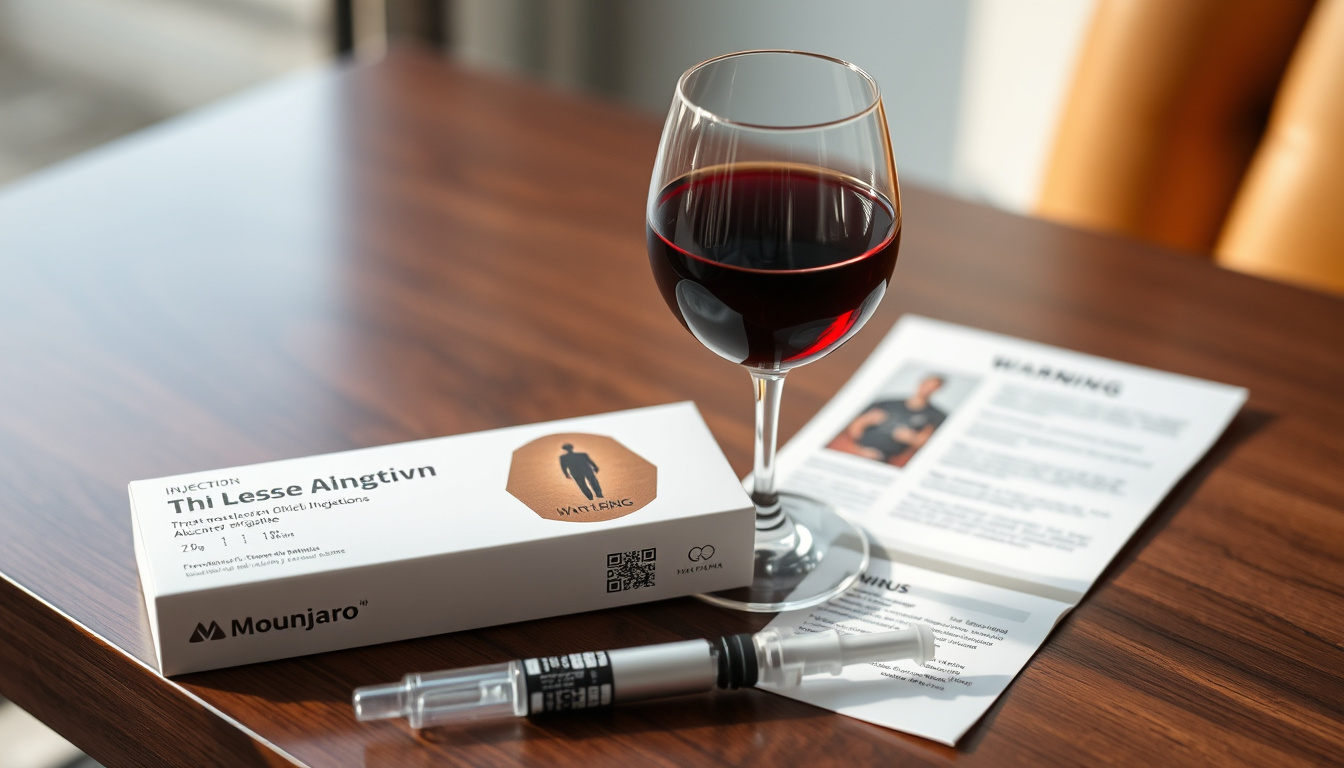
Mounjaro (tirzepatide) has become a widely prescribed medication for both type 2 diabetes and weight management. As with any medication, patients often wonder whether they can safely consume alcohol while undergoing treatment. Understanding the interaction between Mounjaro and alcohol is essential for maximizing treatment benefits and minimizing potential risks.
Research indicates that tirzepatide does not have a direct pharmacokinetic interaction with alcohol. However, both substances independently affect the gastrointestinal system, blood sugar regulation, and kidney function, which means combining them can amplify side effects and potentially compromise treatment outcomes.
Healthcare professionals and regulatory bodies, including the NHS, FDA, and Eli Lilly, generally advise moderation rather than complete abstinence. The consensus among medical sources emphasizes that occasional, moderate alcohol consumption is unlikely to cause serious problems, but individual responses can vary significantly.
Can You Drink Alcohol While Taking Mounjaro for Weight Loss?
The short answer is yes, you can drink alcohol while taking Mounjaro, but with important caveats. Medical sources consistently advise that moderation is key, and several factors should be considered before deciding to consume alcohol during treatment.
None reported between tirzepatide and alcohol
Moderation only; avoid binge drinking
Interference with weight loss progress
Hydrate extra when consuming alcohol
Key Insights on Mounjaro and Alcohol
- Alcohol consumed in moderation is unlikely to cause direct pharmacological issues with tirzepatide
- Combining alcohol and Mounjaro may worsen common side effects such as nausea, vomiting, and diarrhea
- Patients with diabetes should monitor blood sugar closely, as alcohol can cause hypoglycemia
- User reports vary considerably regarding hangover severity and overall tolerance
- Both substances delay gastric emptying, potentially amplifying digestive discomfort
- Alcohol adds empty calories that can undermine weight loss efforts
- Healthcare providers recommend consulting a doctor before combining alcohol with Mounjaro
| Fact | Details |
|---|---|
| Safe in moderation? | Yes, according to pharmacy and medical sources |
| Direct drug interactions? | None specifically documented |
| Main risks | Dehydration, increased appetite, blood sugar fluctuations |
| Source consensus | All major medical sources agree on moderation approach |
| Recommended limits | ≤1 drink/day for women, ≤2 drinks/day for men |
| Best practice | Always consume alcohol with food |
What Are the Side Effects of Mixing Mounjaro and Alcohol?
When Mounjaro and alcohol are combined, the overlapping effects can lead to several uncomfortable and potentially serious side effects. Understanding these risks helps patients make informed decisions about alcohol consumption during treatment.
Gastrointestinal Amplification
Both tirzepatide and alcohol independently cause gastrointestinal disturbances including nausea, vomiting, diarrhea, heartburn, and delayed gastric emptying. When taken together, these effects can be significantly amplified, increasing the risk of dehydration and subsequent kidney complications.
Dehydration from combined gastrointestinal effects can strain kidney function. Patients with pre-existing kidney conditions should exercise particular caution and discuss alcohol consumption with their healthcare provider.
Blood Sugar Effects
Alcohol can cause hypoglycemia, particularly in patients with diabetes who are taking Mounjaro alongside insulin or sulfonylureas. The interaction between these medications and alcohol requires careful glucose monitoring to avoid dangerous blood sugar drops.
For patients without diabetes, alcohol may still affect blood sugar regulation, though typically to a lesser degree. Symptoms of low blood sugar can include dizziness, confusion, sweating, and in severe cases, loss of consciousness.
Serious Health Risks
Both alcohol and Mounjaro stress the pancreas and kidneys. Combined use increases the risk of pancreatitis and potential kidney injury. Medical sources strongly advise against binge drinking for these reasons.
Patients with a history of pancreatitis, kidney problems, or alcohol use disorder face higher risks when combining alcohol with Mounjaro. Complete avoidance of alcohol may be necessary in these cases.
Weight Loss Interference
Alcohol interferes with weight loss in multiple ways. It increases appetite, reduces inhibitions that help with dietary choices, and adds significant empty calories. A single alcoholic drink can contain anywhere from 100 to 300 calories, often with added sugars.
Interestingly, some users report that Mounjaro naturally reduces alcohol cravings, which can support both weight loss goals and reduce exposure to potential side effects.
What Is the Best Alcohol to Drink on Mounjaro?
If you choose to drink alcohol while on Mounjaro, certain types are considered safer than others. The goal is to minimize sugar content, calorie load, and potential gastrointestinal irritation.
Lower-Risk Options
- Pure spirits (vodka, gin, whiskey): These contain no carbohydrates or sugars when consumed straight or with sugar-free mixers
- Dry wine: Contains fewer sugars than sweet wines or cocktails
- Light beers: Lower in calories than regular beers, though carbonation may affect some users
Options to Approach with Caution
- Sugary cocktails: High calorie content undermines weight loss efforts
- Sweet wines and liqueurs: Elevated sugar levels can worsen blood sugar fluctuations
- Carbonated mixers: May amplify gastrointestinal discomfort in some individuals
When consuming alcohol on Mounjaro, always drink with food to buffer gastrointestinal effects. Staying well-hydrated by alternating alcoholic drinks with water can help reduce dehydration risk and support overall tolerance.
The NHS and other medical sources recommend limiting alcohol intake to one drink per day for women and two drinks per day for men, with several alcohol-free days each week being ideal for those pursuing weight loss.
What Do User Reviews Say About Mounjaro and Alcohol?
While direct user testimonials from platforms like Reddit and Mumsnet were not available in the research, clinical reports and physician summaries provide insight into common user experiences.
Reported Experiences
Many patients report experiencing amplified nausea and more severe hangovers when combining alcohol with Mounjaro. This has led numerous individuals to voluntarily reduce or eliminate alcohol consumption during their treatment journey.
Some users note that Mounjaro naturally reduces their cravings for alcohol, which they interpret as a positive side effect that supports both their weight loss goals and reduces exposure to potential side effects.
Women-Specific Observations
Medical sources highlight specific considerations for women, including increased risk of low blood sugar events and heightened gastrointestinal effects. These factors contribute to the general medical recommendation that women exercise greater caution with alcohol consumption while on Mounjaro.
Individual experiences with Mounjaro and alcohol vary considerably. Some patients tolerate moderate alcohol consumption without issues, while others experience significant discomfort. Tracking personal reactions helps identify individual tolerance levels.
The variation in user experiences underscores the importance of personalized medical advice. Patients should consult their healthcare provider about alcohol consumption based on their individual health profile, treatment goals, and any co-existing conditions.
Mounjaro Alcohol Interaction Timeline
Understanding the chronological development of Mounjaro and its associated alcohol guidance provides useful context for patients navigating treatment decisions.
- Mounjaro (tirzepatide) receives initial approval from regulatory authorities for type 2 diabetes treatment
- FDA approves Mounjaro specifically for weight loss indication, expanding user base significantly
- Weight loss prescriptions rise sharply; online queries about alcohol interactions increase correspondingly
- Pharmacy guides and medical resources begin emphasizing moderation guidance for alcohol use
- Healthcare providers increasingly discuss alcohol as part of comprehensive Mounjaro treatment planning
Certainty vs. Uncertainty: Mounjaro and Alcohol
When evaluating information about Mounjaro and alcohol, it helps to distinguish between what is established and what remains uncertain.
| Established Information | Remaining Uncertainties |
|---|---|
| No specific drug-alcohol interaction documented | Individual tolerance varies considerably |
| Moderation advised universally by medical sources | Limited clinical trials specifically studying combination |
| Both substances affect GI system independently | User experiences remain largely anecdotal |
| Alcohol can cause hypoglycemia in diabetic patients | Long-term effects of combined use not extensively studied |
| Recommended limits: ≤1/day women, ≤2/day men | Optimal individual limits highly personalized |
Analysis: Why Moderation Matters with Mounjaro
Mounjaro operates as a GLP-1 receptor agonist, slowing gastric emptying to create feelings of fullness and reduce appetite. This mechanism, while effective for weight management, creates a physiological environment where alcohol effects can be unpredictable and prolonged.
The delayed gastric emptying caused by tirzepatide means alcohol remains in the stomach longer than usual. This extended contact time can intensify both the intoxicating effects and the gastrointestinal side effects of alcohol consumption.
For patients focused on weight loss, alcohol presents additional challenges. Beyond empty calories, alcohol can lower inhibitions around food choices, potentially leading to dietary lapses that counteract Mounjaro’s benefits. Understanding how the liver processes both substances provides additional context for why moderation matters.
The combination of Mounjaro’s effects on blood sugar regulation, appetite suppression, and gastric motility means that even moderate alcohol consumption may produce unexpected results. Patients should approach alcohol with awareness of their individual response patterns.
Expert Sources and Quotes
Medical professionals and healthcare organizations provide consistent guidance on alcohol consumption during Mounjaro treatment.
“Mounjaro can cause gastrointestinal side effects, and alcohol may worsen these symptoms. Patients should discuss their alcohol consumption with their healthcare provider.”
— NHS guidance on tirzepatide
“While no direct interaction exists, combining Mounjaro with alcohol can affect blood sugar levels and may impact weight loss progress.”
— Eli Lilly prescribing information references
“Moderate alcohol consumption is unlikely to cause problems, but patients should monitor for amplified side effects and stay hydrated.”
— Pharmacy clinical guidance
What to Do Next
For patients currently taking Mounjaro and considering alcohol consumption, the following approach provides the safest path forward.
First, consult your prescribing doctor about your specific situation. Factors including your dosage, treatment goals, diabetes status, and overall health should inform any decisions about alcohol. Your healthcare provider can offer personalized guidance based on your complete medical history.
Second, if you choose to drink, start with a single, moderate serving and observe how your body responds. Tracking your experiences in a journal can help identify patterns and personal tolerance levels over time.
Third, prioritize hydration by drinking water alongside alcoholic beverages. This helps counteract dehydration and supports overall digestive comfort. Learning how to manage digestive discomfort can be particularly helpful for Mounjaro users.
Finally, consider non-alcoholic alternatives when possible. Many patients find that their desire for alcohol decreases naturally while on Mounjaro, and embracing this shift can support both weight loss goals and overall wellbeing.
Frequently Asked Questions
Does Mounjaro stop you from drinking alcohol?
No, Mounjaro does not directly prevent alcohol consumption. However, both substances affect the gastrointestinal system, blood sugar, and kidney function, so combining them may amplify side effects. Medical sources advise moderation rather than complete abstinence in most cases.
What happens if I drink alcohol while on Mounjaro?
Drinking alcohol while on Mounjaro may worsen common side effects like nausea, vomiting, and diarrhea. It can also affect blood sugar levels and add empty calories that interfere with weight loss. Individual responses vary, so monitoring your own tolerance is important.
Can I have a glass of wine while taking Mounjaro?
Yes, a single glass of wine is generally considered acceptable in moderation. Dry wines are preferable to sweet varieties due to lower sugar content. Always consume alcohol with food and stay hydrated to minimize potential side effects.
Does alcohol reduce Mounjaro’s effectiveness?
Alcohol does not directly reduce Mounjaro’s pharmacological effectiveness. However, the empty calories in alcohol can undermine weight loss results, and alcohol-related dietary choices may counteract treatment benefits.
How long should I wait after taking Mounjaro to drink alcohol?
There is no specific waiting period recommended by medical sources. However, many patients find that alcohol tolerance changes while on Mounjaro. Starting with a small amount and observing your response is the safest approach.
Can I drink alcohol on Mounjaro if I have diabetes?
Patients with diabetes should exercise particular caution. Alcohol can cause hypoglycemia, especially when combined with Mounjaro and insulin or sulfonylureas. Close glucose monitoring and consultation with a healthcare provider is essential.
What are the signs of an adverse reaction to alcohol on Mounjaro?
Watch for severe or persistent nausea, vomiting, diarrhea, dizziness, confusion, rapid heartbeat, or extreme fatigue. These symptoms may indicate an adverse reaction or dangerous blood sugar fluctuation. Seek medical attention if symptoms are severe or persistent.
Will my hangover be worse on Mounjaro?
Many patients report experiencing more severe hangovers when combining alcohol with Mounjaro. The medication’s effects on gastric emptying and blood sugar regulation can intensify both the immediate effects of alcohol and the subsequent recovery symptoms.

Oliver Arthur Morgan Harrison is a staff writer for StoryShift.uk, covering UK news, culture, politics and technology. He works under Editor-in-Chief Maarika Tamm and UK Managing Editor Oliver Grant, following the newsroom standards for sourcing, verification and fact-checking set out in our editorial policies.