Where Is Liver Pain Located?
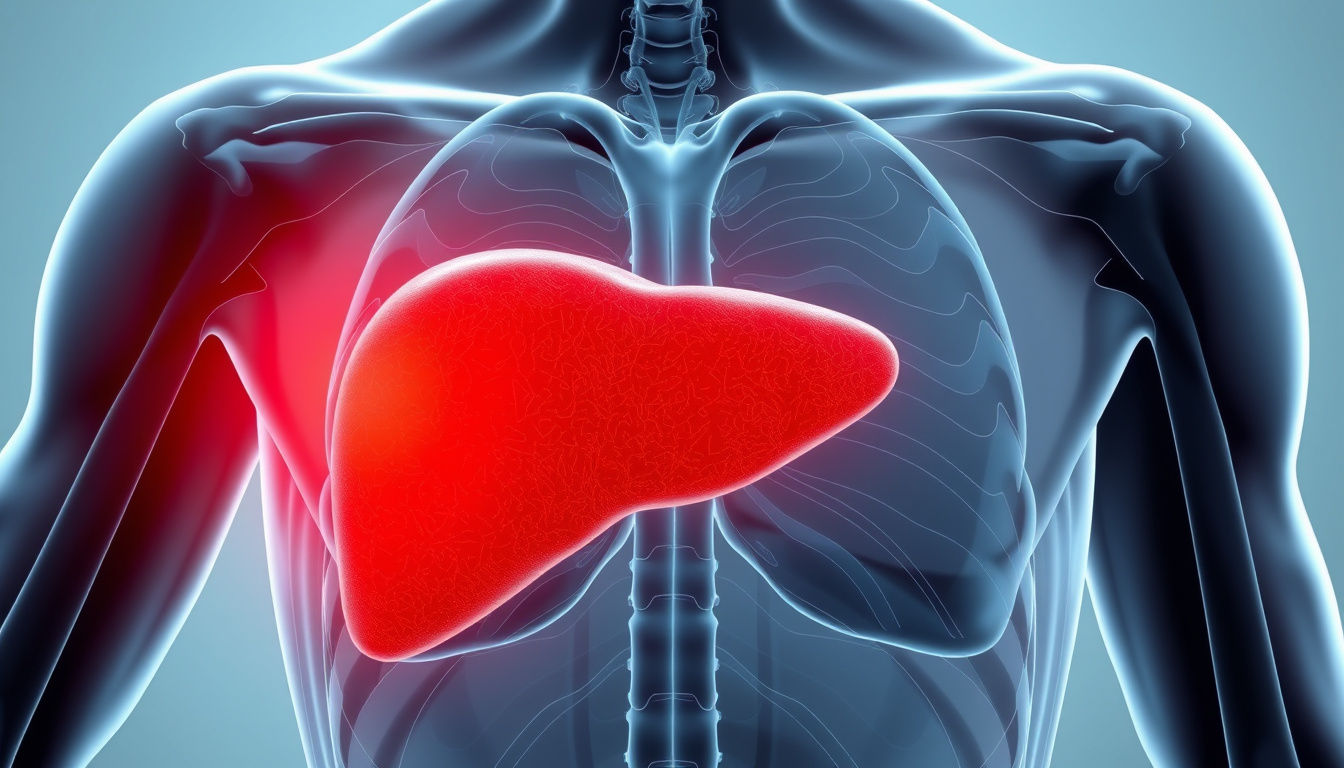
Discomfort in the upper abdomen can stem from various organs, making it important to understand where liver pain is typically felt. The liver occupies the upper right portion of the abdominal cavity, protected largely by the rib cage, which means pain signals often emerge in specific patterns that differ from other abdominal complaints. Recognizing these patterns can help distinguish liver-related discomfort from issues affecting neighboring organs.
Liver pain characteristically manifests as a deep, dull ache or sensation of pressure rather than sharp stabbing sensations. This occurs because the liver itself contains few pain receptors; discomfort typically arises when the surrounding capsule stretches due to swelling or inflammation. The location under the right rib cage, combined with the quality of discomfort, provides important clues for identification and subsequent medical evaluation.
Understanding the precise location of liver pain also helps differentiate it from gallbladder, kidney, or gastrointestinal issues that can produce similar symptoms. Since multiple organs reside in the upper right abdomen, accurate recognition of pain patterns supports more informed discussions with healthcare providers and faster appropriate care.
Where Is Liver Pain Typically Located?
The right upper quadrant serves as the primary location for liver-related discomfort. This area sits directly beneath the right rib cage, extending from approximately the seventh to eleventh ribs. The liver’s position means that discomfort often concentrates in this protected zone, though the sensation may extend to surrounding regions.
Organs in the Right Upper Quadrant
The right upper quadrant houses several key structures that share proximity and can sometimes produce overlapping symptoms. Understanding this anatomical neighborhood clarifies why accurate identification requires attention to specific pain characteristics.
- Liver: The largest internal organ, occupying most of the right upper quadrant and responsible for detoxification, metabolism, and bile production
- Gallbladder: Positioned beneath the liver, storing bile produced by the liver for digestion
- Right kidney: Located slightly lower and toward the back compared to the liver
- Pancreas (portion): Extends across the midline, with its head situated near the duodenum
- Portions of intestine: The hepatic flexure of the colon curves through this region
Key Insights on Liver Pain Location
- The liver itself contains few pain receptors; discomfort originates primarily from the stretching of its protective capsule during swelling or inflammation
- Approximately 90% of liver pain cases manifest in the right upper quadrant
- Pain rarely appears on the left side, as the liver’s anatomical position is predominantly right-sided
- Discomfort may extend to the right shoulder blade through shared nerve pathways (referred pain)
- The rib cage provides natural protection, which can sometimes mask the severity of underlying liver conditions
- Liver pain typically does not vary significantly with meal consumption, unlike gallbladder-related discomfort
- Persistent discomfort in this region warrants medical evaluation to rule out serious conditions
The liver lacks significant pain-sensing nerves itself. When liver pain occurs, it results from the outer capsule surrounding the liver stretching due to swelling, pressure from surrounding structures, or inflammation of adjacent tissues.
Liver Pain Facts Snapshot
| Fact | Detail |
|---|---|
| Primary Location | Upper right quadrant, below ribs 7-11 |
| Pain Sensation | Dull, throbbing, pressure-like fullness |
| Radiation Pattern | Right shoulder, upper back, neck |
| Common Causes | Fatty liver disease, hepatitis, cirrhosis |
| Red Flag Symptoms | Jaundice, abdominal swelling, fever |
| Diagnostic Approach | Ultrasound, blood tests, imaging studies |
Is Liver Pain Felt on the Left or Right Side?
Liver pain occurs predominantly on the right side of the body. The liver itself sits almost entirely in the right upper quadrant, with only a small portion extending across the midline toward the left side. This anatomical arrangement means that virtually all liver-related discomfort manifests on the right, making left-sided pain an unlikely indicator of primary liver involvement.
Why Liver Pain Is Almost Always Right-Sided
The liver’s anatomical position explains its right-sided pain presentation. The organ weighs approximately three pounds and occupies the space beneath the diaphragm, extending from the fifth intercostal space down to the right costal margin. Its larger right lobe contains most of the liver’s functional tissue, while the smaller left lobe reaches only partially across the epigastrium.
This positioning means that swelling, inflammation, or other pathological processes affecting the liver typically produce symptoms on the right side. Whether dealing with hepatitis, fatty liver disease, or cirrhosis, the right upper quadrant remains the characteristic location for associated discomfort.
Conditions That Might Cause Left-Sided Confusion
While the liver rarely causes left-sided pain directly, certain conditions may create diagnostic confusion. Left upper quadrant discomfort typically stems from the spleen, stomach, pancreas, or left kidney rather than hepatic sources.
- Splenomegaly: Enlargement of the spleen can produce left-sided discomfort, particularly when associated with infections or blood disorders
- Pancreatitis: Inflammation of the pancreas often causes upper abdominal pain that may radiate across the midline
- Gastric issues: Stomach ulcers or gastritis can produce discomfort that patients sometimes misattribute to liver problems
- Left kidney pathology: Kidney stones or infection affecting the left kidney manifest with flank pain rather than true hepatic discomfort
Left-sided abdominal pain almost never indicates primary liver disease. When discomfort appears on the left, investigation should focus on other organs including the spleen, stomach, pancreas, or left kidney.
What Does Liver Pain Feel Like and How to Identify It?
Liver pain presents with distinctive characteristics that help differentiate it from discomfort stemming from neighboring organs. The sensation typically develops gradually and persists rather than appearing suddenly or in sharp episodes. Understanding these qualities supports more accurate self-assessment and appropriate healthcare seeking.
Typical Sensations Associated With Liver Pain
The character of liver pain differs markedly from sharp, colicky, or burning sensations that accompany other abdominal conditions. Most people describe liver-related discomfort using vocabulary that emphasizes its dull, persistent nature.
- Dull, constant ache located deep beneath the right ribs
- Sensation of fullness or pressure in the upper right abdomen
- Tenderness when pressing on the right upper quadrant
- Bloating or distension in the abdominal region
- Discomfort that may intensify with certain movements or positions
- Generalized fatigue accompanying the physical sensation
Distinguishing Liver Pain From Gallbladder Pain
The gallbladder sits immediately beneath the liver, and both organs occupy the right upper quadrant. However, their pain patterns differ substantially, and recognizing these differences supports accurate identification.
| Characteristic | Liver Pain | Gallbladder Pain |
|---|---|---|
| Sensation | Dull ache, pressure, fullness | Sudden sharp stabbing |
| Timing | Constant, not meal-related | Episodes after fatty meals |
| Duration | Persistent, chronic | 30 minutes to several hours |
| Associated Symptoms | Jaundice, fatigue, swelling | Nausea, vomiting |
| Radiation | Shoulder, back | Right shoulder, shoulder blade |
Other Conditions Mimicking Liver Pain
Several non-hepatic conditions produce discomfort in the right upper quadrant, creating potential for misidentification. Awareness of these alternatives supports more accurate assessment.
- Gastrointestinal reflux: GERD can cause burning sensations in the upper abdomen that may resemble hepatic discomfort
- Muscle strain: Intercostal muscle strain from exercise or injury produces localized pain that worsens with movement
- Kidney infections or stones: Right kidney pathology can produce flank pain that radiates toward the upper abdomen
- Lung conditions: Lower right lobe pneumonia or pleural inflammation may cause referred pain to the upper abdomen
- Pancreatitis: Pancreatic inflammation typically causes steady upper abdominal pain that may extend to the back
What Causes Pain in the Liver Area?
Various conditions can produce discomfort in the liver region, ranging from common metabolic disorders to serious inflammatory and malignant diseases. Understanding these causes helps contextualize symptoms and guide appropriate medical evaluation.
Common Causes of Liver Pain
| Condition | Description | Key Features |
|---|---|---|
| Hepatitis | Liver inflammation from viral infection, alcohol, or autoimmune processes | Dull ache, possible jaundice, fatigue |
| Fatty Liver Disease (NAFLD/NASH) | Accumulation of fat within liver cells causing enlargement | Mild aching fullness in approximately one-third of cases |
| Cirrhosis | Progressive scarring of liver tissue from chronic damage | Fullness, weight loss, jaundice, shoulder discomfort |
| Liver Cancer | Malignant tumors affecting liver tissue | Progressive fullness, unexplained weight loss, abdominal swelling |
| Liver Abscess | Pus-filled infection within liver tissue | Right upper quadrant tenderness, fever, chills |
| Trauma or Injury | Physical damage to the liver from accident or impact | Localized pain, tenderness, possible internal bleeding |
When Liver Pain Becomes Serious
Certain warning signs indicate that liver-related discomfort requires prompt medical attention. These red flag symptoms suggest potential complications or serious underlying conditions that benefit from early intervention.
Intense pain lasting more than one hour, fever accompanying abdominal discomfort, vomiting, yellowing of skin or eyes (jaundice), rapid abdominal swelling, or unexplained weight loss should prompt urgent medical evaluation. These symptoms may indicate acute hepatitis, cholecystitis, liver abscess, or other conditions requiring prompt diagnosis and treatment.
Conditions such as acute cholecystitis, severe hepatitis, or liver cancer require medical assessment including ultrasound imaging, blood tests measuring liver function, and potentially more advanced diagnostic procedures. Mild indigestion-related discomfort may resolve spontaneously, but symptoms persisting beyond two weeks merit professional evaluation.
Progression of Liver Pain Symptoms
Liver-related discomfort often develops gradually over time, with symptom patterns that may evolve as underlying conditions progress. Recognizing these stages supports earlier intervention and more effective management.
- Early Stage: Mild discomfort or sense of fullness in the upper right abdomen, often occurring after meals and sometimes dismissed as indigestion
- Developing Stage: Persistent dull ache beneath the right ribs, accompanied by increasing fatigue and occasional nausea
- Established Stage: Continuous pressure sensation, visible abdominal swelling, tenderness on palpation, and associated symptoms such as reduced appetite
- Advanced Stage: Intensified discomfort potentially radiating to the shoulder or back, jaundice (yellowing of skin and eyes), dark urine, and prominent abdominal blood vessels
- Complicated Stage: Severe pain, fever, confusion, gastrointestinal bleeding, or fluid accumulation requiring emergency intervention
What We Know Versus Common Myths About Liver Pain
Understanding the difference between established medical knowledge and widespread misconceptions supports better recognition and response to liver-related symptoms.
| Established Medical Understanding | Common Myths or Misconceptions |
|---|---|
| Liver pain occurs predominantly on the right side due to the liver’s anatomical position | Liver pain commonly affects the left side |
| The liver lacks pain receptors; discomfort arises from capsule stretching | Sharp stabbing pain is typical of liver conditions |
| Fatty liver disease often causes no noticeable pain initially | Liver disease always produces severe pain |
| Meal timing does not significantly affect liver pain patterns | Liver pain increases after every meal |
| The rib cage protects the liver, potentially masking serious conditions | Rib pain always indicates liver involvement |
| Fatigue commonly accompanies liver pain due to reduced liver function | Fatigue has no connection to liver health |
Medical understanding of liver pain derives from anatomical studies, clinical observations, and diagnostic imaging. These established facts inform current diagnostic and treatment approaches, distinguishing evidence-based knowledge from popular assumptions.
Understanding Liver Pain in Context
Liver pain does not occur in isolation. Its presentation, severity, and associated symptoms exist within a broader context of overall health, lifestyle factors, and potential underlying conditions. This contextual understanding supports more meaningful conversations with healthcare providers and more effective management strategies.
Risk factors contributing to liver conditions include alcohol consumption, obesity, viral hepatitis exposure, certain medications, and metabolic conditions such as diabetes. Individuals with these risk factors may benefit from increased awareness of liver-related symptoms and earlier screening. The interplay between lifestyle factors and liver health emphasizes the importance of comprehensive medical evaluation when liver pain or related symptoms appear.
Fatigue frequently accompanies liver pain, as the liver plays a central role in energy metabolism and toxin removal. When liver function becomes impaired, general tiredness and reduced stamina may result. Why Do I Feel Tired All the Time explores this connection in greater detail, examining how organ dysfunction contributes to persistent exhaustion.
Expert Sources and Medical Guidance
“Liver pain is typically located in the right upper quadrant of the abdomen, beneath the ribs and slightly below the breastbone. It may also be felt in the right shoulder blade.”
“Pain in the upper right abdomen, just under the ribs, may be caused by conditions affecting the liver, gallbladder, or biliary system.”
Healthcare organizations emphasize that self-diagnosis of abdominal pain carries significant risks. The proximity of multiple organs in the right upper quadrant means that accurate identification of pain sources requires professional evaluation including physical examination, laboratory testing, and often imaging studies. These diagnostic approaches enable healthcare providers to distinguish liver-related conditions from gallbladder disease, kidney problems, or gastrointestinal disorders that may produce similar symptoms.
Certain nutritional deficiencies can also manifest as fatigue and general malaise that patients sometimes attribute to liver problems. Low Folic Acid Symptoms provides information about how vitamin deficiencies affect energy levels and overall health.
Summary: Key Points About Liver Pain Location
Liver pain manifests primarily in the right upper quadrant beneath the rib cage, presenting as a dull ache, pressure, or sense of fullness rather than sharp stabbing sensation. The liver’s right-sided anatomical position means that left-sided discomfort almost never indicates primary liver involvement. Associated symptoms including jaundice, fatigue, and abdominal swelling may accompany pain and warrant medical attention. Given the variety of conditions affecting this region and the potential seriousness of liver disease, persistent or severe symptoms merit professional evaluation for accurate diagnosis and appropriate management.
Frequently Asked Questions
Where exactly is liver pain located in the body?
Liver pain typically occurs in the right upper quadrant of the abdomen, directly beneath the right rib cage between approximately ribs 7 and 11. The discomfort may radiate to the right shoulder, upper back, or neck.
Can liver pain be felt on the left side?
Primary liver pain rarely occurs on the left side. The liver sits predominantly in the right upper quadrant. Left-sided discomfort typically indicates issues with the spleen, stomach, pancreas, or left kidney instead.
How can I tell if my pain is from the liver or gallbladder?
Liver pain tends to be dull, constant, and not meal-related. Gallbladder pain typically presents as sharp stabbing episodes that occur 30 minutes to several hours after eating fatty foods. Nausea and vomiting more commonly accompany gallbladder attacks.
What does liver pain feel like?
Liver pain usually feels like a deep, dull ache or sense of pressure and fullness beneath the right ribs. It differs from sharp, colicky, or burning sensations associated with other conditions.
When should I see a doctor for liver pain?
Medical evaluation is warranted for intense pain lasting more than one hour, accompanied fever, vomiting, yellowing of skin or eyes, rapid abdominal swelling, or unexplained weight loss. Symptoms persisting beyond two weeks also merit assessment.
Does the liver itself have pain receptors?
The liver contains few pain receptors. Discomfort arises when the outer capsule surrounding the liver stretches due to swelling, inflammation, or pressure from surrounding structures.
Can liver pain radiate to other areas?
Yes, liver pain commonly radiates to the right shoulder or shoulder blade through shared nerve pathways. Back pain in the upper right region may also occur. This referred pain pattern helps distinguish liver-related discomfort from other abdominal sources.
Are there conditions that mimic liver pain?
Several conditions can produce similar symptoms including muscle strain, kidney infections, pancreatitis, lung conditions affecting the lower right lobe, and gastrointestinal issues. Professional evaluation helps distinguish these conditions from actual liver pathology.

Oliver Arthur Morgan Harrison is a staff writer for StoryShift.uk, covering UK news, culture, politics and technology. He works under Editor-in-Chief Maarika Tamm and UK Managing Editor Oliver Grant, following the newsroom standards for sourcing, verification and fact-checking set out in our editorial policies.