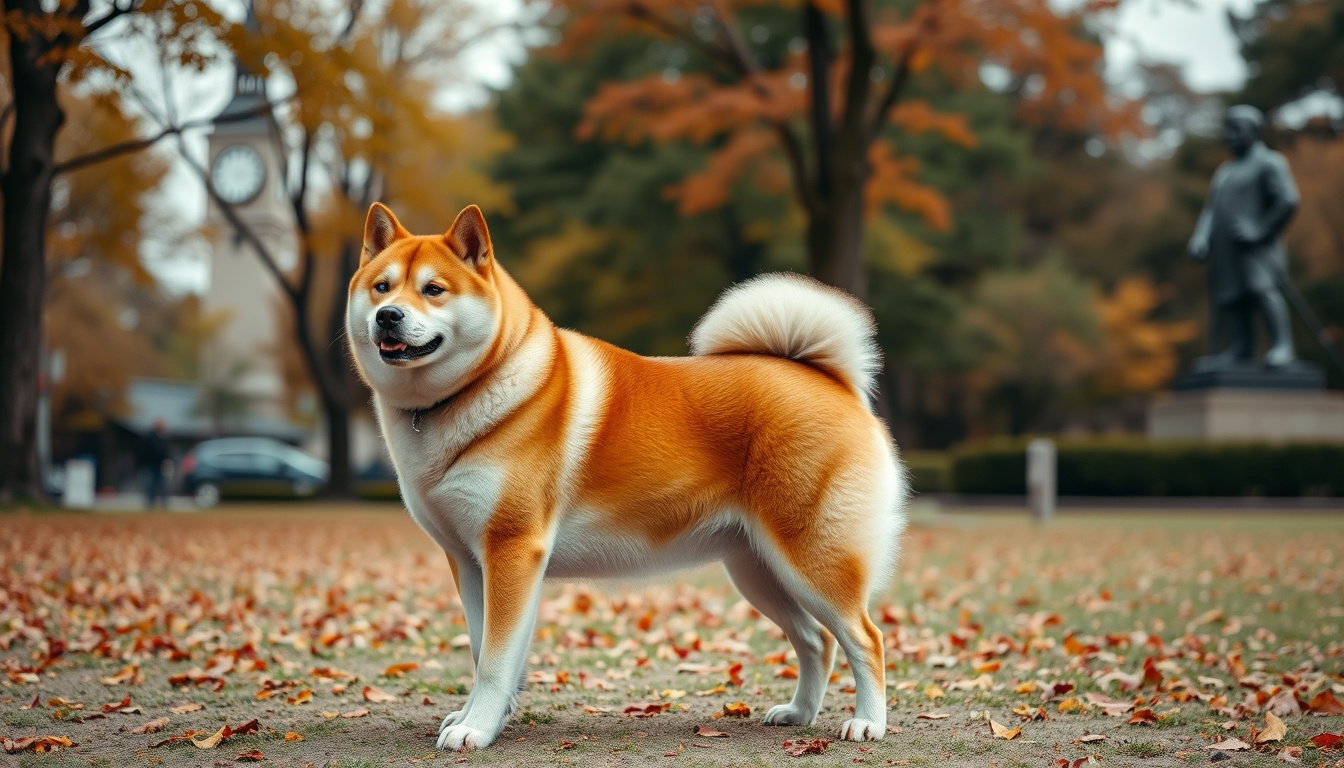
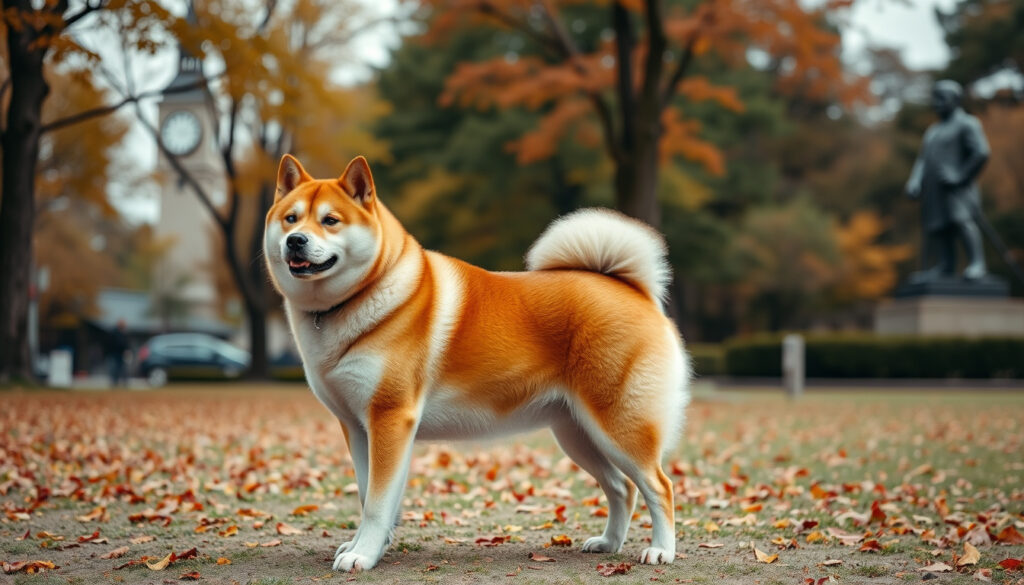
The Akita is a large, powerful dog breed from Japan, known for its unwavering loyalty, dignified bearing, and protective nature. With a history that stretches back centuries and a cultural footprint that includes the legendary Hachikō, the Akita continues to captivate dog enthusiasts worldwide. This guide covers the breed’s origins, temperament, cost, color variations, and the key differences between the Japanese and American types.
Whether you are considering bringing an Akita into your home or simply want to understand what makes this breed unique, the sections below provide a fact-based overview grounded in expert sources and breed club standards.
What Is an Akita Dog? Breed Overview and Japanese Origin
The Akita is a large, muscular spitz-type dog that originated in the mountainous Akita prefecture in northern Japan. Bred originally for hunting large game such as bear and wild boar, and later valued as a guard dog, the breed became a symbol of protection, good health, and long life in Japanese culture. For a deeper look at another iconic Japanese cultural figure, see our Super Mario – Complete Guide to Games, History and Movie. Today, the Akita is recognized as two related types: the Japanese Akita Inu (the original type) and the American Akita, which was developed from lines exported after World War II.
$1,500 – $4,000
Loyal, dignified, protective
Large (75–130 lbs)
10–13 years
- Akitas are fiercely loyal but require an experienced owner due to their strong will.
- They have a thick double coat that sheds heavily twice a year.
- Akitas can be aggressive toward same-sex dogs unless well socialized.
- The breed originated in the mountains of northern Japan as hunting and guard dogs.
- Hachikō, the famous Akita, became a symbol of loyalty and inspired the movie Hachi.
| Attribute | Details |
|---|---|
| Breed Group | Working (AKC) / Utility (UK) |
| Origin | Japan |
| Height | Females: 58–66 cm, Males: 64–71 cm |
| Weight | Females: 70–100 lbs, Males: 100–130 lbs |
| Coat | Double coat, short to medium length |
| Colors | Red, fawn, sesame, brindle, white, black, pinto |
| Lifespan | 10–13 years |
| Temperament | Loyal, courageous, dignified, aloof with strangers |
Japanese Akita (Akita Inu) Characteristics
The Japanese Akita Inu is the original breed type, characterized by a more refined, less massive build. Its coat colors are limited to red, sesame, brindle, and white, and it is recognized as a natural monument in Japan. The AKC notes that the breed is famous for its dignity, courage, and loyalty, traits that are deeply embedded in the Japanese Akita standard.
American Akita vs Japanese Akita: Key Differences
The American Akita is larger and heavier-boned than its Japanese counterpart, with a more substantial build. While the Japanese type is lighter and more fox-like, the American type can reach up to about 130 pounds in some guides. Both are loyal and protective, but the American Akita is often described as more imposing. Major kennel clubs, including the AKC and FCI, recognize them as separate breeds or varieties.
Akita Dog Temperament and Personality
Akitas are commonly described as loyal, affectionate with family, protective, reserved with strangers, and independent or strong-willed. They are not recommended for first-time owners due to their stubbornness and need for firm, consistent training. According to The Spruce Pets, they are not consistently described as ideal for homes with very small children, and early socialization is critical.
How Much Does an Akita Dog Cost? Price Guide for 2025
Average Akita Puppy Price Range
A typical Akita puppy price is often reported around $1,000 to $2,000 on average, according to PetMD. However, the total first-year ownership cost is much higher once food, training, grooming, and veterinary care are included. The PDSA gives a monthly minimum of £105 in the UK context for large-breed care.
Beyond the purchase price, owners should budget for high-quality food, routine vet visits, grooming supplies, and training classes. The PDSA indicates that the monthly cost of caring for an Akita in the UK starts at approximately £105, covering food, insurance, and basic healthcare.
Factors Influencing Akita Dog Cost
Price varies by breeder quality, pedigree, location, coat color, and whether the dog is of Japanese or American type. Puppies from champion bloodlines or rare colors such as white or black may command higher prices. Prospective buyers should also consider adoption fees from rescue organizations, which are generally lower than breeder prices.
Akita vs Shiba Inu: Which Breed Is Right for You?
Size and Appearance Differences
Both the Akita and the Shiba Inu are Japanese spitz-type dogs with foxlike features and curled tails, but the Akita is much larger. A Shiba Inu weighs about 20 pounds, while an Akita ranges from 70 to 130 pounds according to PetMD. This size difference is the most prominent distinction between the two breeds.
Temperament and Training Needs
Akitas are generally more reserved, protective, and strong-willed compared to Shibas, which are often described as smaller, more independent companion dogs. Both breeds require consistent training, but the Akita’s size and protective instincts make it a greater responsibility for owners. The Hills Pet breed profile emphasizes the Akita’s independent nature and need for a confident handler.
Exercise and Grooming Requirements
Both breeds have thick double coats and shed heavily, especially during seasonal changes. Akitas need daily moderate exercise, such as long walks or play sessions, while Shibas are slightly more adaptable to smaller living spaces. Regular brushing is essential for both to manage shedding.
Akita Dog Colors and Markings: White, Black, and More
Common Akita Coat Colors
Akitas come in a range of colors including red, fawn, sesame, brindle, white, black, and pinto, depending on the breed standard. The Chewy breed guide lists red, white, and brindle as common colors, while other sources include black, fawn, and brown. The double coat is short to medium in length and provides good insulation.
The Japanese Akita Inu standard restricts colors to red, sesame, brindle, and white. The American Akita standard accepts a wider range, including black and pinto. This difference is one of the ways the two types are visually distinguished.
White Akita: Myth vs Reality
White Akitas are a recognized color in both the Japanese and American standards. They are not albino; the white coat is a result of a specific genetic expression. White Akitas have the same temperament and care requirements as other Akitas, though some breeders may charge a premium for this color.
Black Akita and Brindle Variations
Black Akitas are less common than red or white ones, but they are accepted in the American Akita standard. Brindle is a striped pattern that can appear in combination with other colors. The Wikipedia article on the Akita notes that coat color is one of the distinguishing features between the Japanese and American types.
Coat color is not linked to health outcomes in Akitas. Buyers should focus on breeder health testing and pedigree rather than color alone. White or black puppies are not inherently healthier or more prone to issues than other colors.
The Akita Dog in Pop Culture: The Story Behind the Movie Hachi
Akitas are strongly associated with Hachikō, the famous dog remembered in Japan and worldwide for extraordinary loyalty. The breed’s reputation for devotion is one reason it is culturally iconic. The true story of Hachikō, who waited for his owner at a Tokyo train station every day for years after the owner’s death, inspired the film Hachi: A Dog’s Tale.
- Ancient times — Akita ancestors used for hunting in mountainous Japan. Hills Pet
- 17th century — Akitas became symbols of status and were used as guard dogs.
- 1930s — Hachikō’s loyalty gains national fame in Japan.
- 1937 — Akita Inu designated as a Japanese Natural Monument.
- Post-WWII — Breed nearly extinct; American servicemen brought Akitas to the US.
- 1972 — AKC officially recognizes the Akita breed.
- 2000s — Japanese and American Akita split into separate breed standards.
What Is Known and What Remains Uncertain About the Akita?
| Established information | Information that remains unclear |
|---|---|
| Akitas can be dog-aggressive, especially with same-sex dogs; proper socialization reduces risk. (Source: AKC, PDSA) | Exact price ranges vary widely by breeder, location, and lineage; $1,500–$4,000 is common but not fixed. |
| Hachi: A Dog’s Tale is based on the real story of Hachikō, though dramatized. (Source: Historical records) | Whether the Japanese and American types should be considered separate breeds remains a matter of debate among kennel clubs. |
| The Japanese and American Akita are recognized by major kennel clubs as separate types/breeds. (Source: AKC, FCI, Wikipedia) | Long-term health data comparing the two types is limited. |
Akita Dog Puppies: What to Expect When Buying and Raising
Raising an Akita puppy requires time, patience, and a clear plan. The breed’s independent nature means that early socialization and consistent training are essential. Puppies should be exposed to a variety of people, environments, and other animals from a young age to reduce the risk of wariness or aggression later in life.
Finding a reputable breeder is the first step. Look for breeders who perform health testing on their dogs, provide references, and allow visits to their facilities. Akitas are generally clean dogs and often groom themselves like cats, as noted by the PDSA, but they still require regular brushing during shedding seasons.
Health considerations for Akita puppies include hip dysplasia, elbow dysplasia, and certain autoimmune conditions. Choosing a breeder who screens for these issues is important. The Dogs Trust breed profile emphasizes that Akitas are best suited to owners who can provide firm, consistent training and plenty of space.
Understanding the Akita: Temperament, Care, and Suitability
Akitas are not recommended for first-time owners due to their stubbornness and need for firm, consistent training. They are generally clean dogs with cat-like grooming habits, but require regular brushing during shedding seasons. The breed thrives with moderate daily exercise and mental stimulation. Families with small pets or children should supervise interactions; early socialization is critical. The cultural significance of the Akita in Japan reinforces its image as a protector and symbol of health.
What Do Experts Say About the Akita?
“The Akita is a muscular, double-coated dog of ancient Japanese lineage famous for their dignity, courage, and loyalty.”
— AKC Dog Breed Information
“Originating from the mountains of northern Japan, the Akita has a short double coat similar to many spitz breeds.”
— Wikipedia
“Akitas are known for being clean dogs and often groom themselves like cats.”
— PDSA
Next Steps for Prospective Akita Owners
If you are considering an Akita, start by researching reputable breeders or rescue organizations, prepare your home with proper fencing and sturdy toys, enroll in puppy socialization classes, and budget for annual vet visits, high-quality food, and grooming supplies. For a broader perspective on choosing the right gear for an active lifestyle, read the Running Shoes – The Essential 2025 Buying Guide.
Frequently Asked Questions
Are Akitas good with children?
Akitas can be good with children if raised together and properly socialized, but they are generally better suited for families with older children due to their size and protective nature.
Do Akitas shed a lot?
Yes, Akitas have a double coat that sheds heavily, especially during seasonal changes. Regular brushing is essential.
How much exercise does an Akita need?
Akitas need daily moderate exercise, such as long walks or play sessions. They are not hyperactive but require mental stimulation.
What is the difference between American Akita and Japanese Akita?
The American Akita is larger, more robust, and accepts more coat colors, while the Japanese Akita (Akita Inu) is lighter, fox-like, and limited to red, sesame, brindle, and white. They are considered separate breeds by some kennel clubs.
Are Akitas easy to train?
Akitas are intelligent but can be independent and stubborn. They require a confident, experienced handler and positive reinforcement training.
What is the origin of the Akita breed?
The Akita originated in the Akita prefecture of northern Japan, where it was developed for hunting large game and guarding.
How long do Akitas live?
Most sources place the lifespan of an Akita at 10 to 14 years, with proper care and nutrition.
Are Akitas good apartment dogs?
Akitas are large, active dogs and are generally better suited to homes with a yard. They can adapt to apartment living if given sufficient daily exercise.
Do Akitas get along with other dogs?
Akitas can be aggressive toward same-sex dogs unless well socialized from an early age. They may do best as the only dog in the household.
What is the story of Hachikō?
Hachikō was an Akita who waited for his owner at a Tokyo train station every day for nearly 10 years after the owner’s death. His story symbolizes loyalty and inspired the film Hachi: A Dog’s Tale.

Oliver Arthur Morgan Harrison is a staff writer for StoryShift.uk, covering UK news, culture, politics and technology. He works under Editor-in-Chief Maarika Tamm and UK Managing Editor Oliver Grant, following the newsroom standards for sourcing, verification and fact-checking set out in our editorial policies.