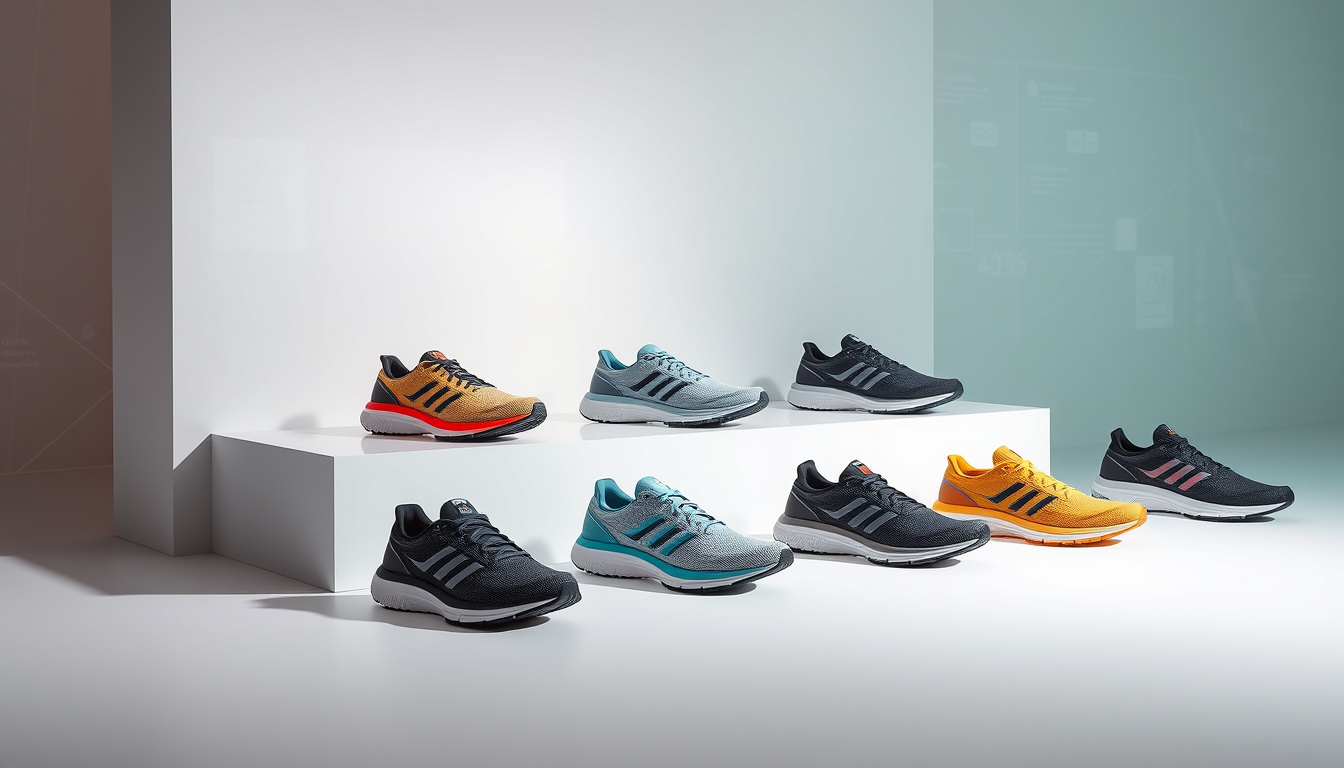
Few pieces of kit matter more than a well-chosen pair of running shoes. The right model can make training feel easier, reduce the risk of common injuries, and help you enjoy the miles. With dozens of new releases hitting the UK market in 2025, the choices can feel overwhelming. This guide draws on the latest expert roundups and test reviews to help you find the best running shoes for your needs, whether you’re logging easy miles on the road, tackling trails, or preparing for a marathon.
What Are the Best Running Shoes for 2025?
UK buying guides from Runner’s World, Athletics Weekly, The Guardian, and Women’s Running have tested and ranked the latest models. While no single shoe works for everyone, several models appear repeatedly across different publications as top picks.
- 🛣️ Road Running Shoes – Designed for pavement and treadmill, lightweight and responsive.
- ⛰️ Trail Running Shoes – Aggressive tread, more protection, built for uneven terrain.
- ☁️ Cushioned / Maximalist – Extra foam for plush comfort, ideal for long runs and recovery.
- 🛡️ Stability / Support – Firm medial post or guide rails for overpronation control.
Key insights from the 2025 guides
- The best shoe depends on your foot type, gait, and running surface.
- Most runners benefit from a neutral cushioned shoe unless they overpronate significantly.
- Shoe weight and heel drop influence running economy and injury risk.
- Brands like Hoka and On have gained popularity for high-cushion comfort.
- Buying online? Always check the return policy for fit issues.
Quick facts about running shoes
| Fact | Detail |
|---|---|
| Average lifespan | 300–500 miles (approx. 6 months for regular runners) |
| Typical heel drop | 0–12 mm, most common 8–10 mm |
| Weight per shoe | 200–350 g depending on type |
| Most popular brand (2024 survey) | Brooks (Runner’s World survey) |
| Key shoe types | Road, trail, racing flat, minimalist, stability |
| Best overall (multiple guides) | Adidas Adizero EVO SL, ASICS Novablast 5, Saucony Endorphin Azura |
| Best cushioned | Brooks Glycerin Max, Nike Vomero 18, ASICS Gel Nimbus 27 |
| Best stability | Saucony Guide 18, ASICS Gel Kayano 32, Brooks GTS 24 |
| Best beginner shoe | ASICS Novablast 6, New Balance 1080 V15, HOKA Clifton 10 |
| Best budget (under £100) | Puma Velocity Nitro 4, Mizuno Wave Rider 28, Kalenji Jogflow 500.1 |
How Do I Choose the Right Running Shoes?
Selecting the right shoe starts with understanding your own biomechanics and the type of running you plan to do. The following subsections break down the most common questions.
Should I buy stability or neutral shoes?
For runners who do not overpronate, a neutral shoe is the default recommendation. If you overpronate – meaning your foot rolls inward excessively – expert guides consistently suggest a stability shoe. The Runner’s World guide explicitly states that runners with overpronation “will suit stability running shoes best.”
Look at the wear pattern on your old shoes. Excessive wear on the inside (medial) edge of the sole indicates overpronation. A gait analysis at a running store is the most reliable way to confirm.
What is the best running shoe for overpronation?
Stability models appearing in the current roundups include the Saucony Guide 18, ASICS Gel Kayano 32, and Brooks GTS 24. These shoes use guide rails or firmer medial posts to reduce excessive inward roll.
Do I need a low heel drop?
Heel drop (the difference in height between heel and forefoot) typically ranges from 0–12 mm. Most runners are comfortable with 8–10 mm. Lower drops (0–4 mm) may suit forefoot strikers, but there is no universal rule. The best advice is to stick with what feels natural.
How do I measure my running shoe size?
Measure your feet in the afternoon when they are slightly swollen. Bring the socks you plan to run in. Leave a thumb’s width (about 1 cm) between your longest toe and the end of the shoe. Men’s and women’s sizes differ, so always check the brand’s size chart.
What is the difference between men’s and women’s running shoes?
Women’s models are typically built on a narrower last and have a lower heel-to-toe drop. They also tend to be lighter and use softer cushioning tuned to lower average body weight. That said, many women prefer men’s models for a wider toe box, and the reverse is also true.
What Is the Difference Between Road and Trail Running Shoes?
Road shoes are designed for smooth, hard surfaces like pavement and treadmills. They are lightweight and have a flat, low-profile outsole. Trail shoes use aggressive lugs for grip, a rock plate for protection, and a more durable upper to handle debris.
Road running shoes
Most daily trainers sit in this category. Current UK guides highlight the Adidas Adizero EVO SL, ASICS Novablast 5, Brooks Glycerin Max, Nike Vomero 18, and HOKA Mach 6 as versatile road options.
Trail running shoes
For off-road terrain, the New Balance Fresh Foam X Hierro v9 and Brooks Divide 4 are recommended for both trail and mixed road-to-trail use. Some guides note that light trail use can work in certain road shoes if the outsole is sturdy, but dedicated trail shoes offer better grip and protection.
If you split your running between pavements and light trails, consider a hybrid model like the Brooks Divide 4. It provides enough tread for loose surfaces without sacrificing road comfort.
Can I use running shoes for walking?
Yes, running shoes can be used for walking. However, walking shoes are often stiffer and have less cushioning. Running shoes may wear out faster if used exclusively for walking, but they are perfectly fine for casual walks.
How Often Should I Replace My Running Shoes?
Most experts agree that running shoes lose their cushioning and support after 300–500 miles. For a runner logging 20 miles per week, that translates to roughly six months. Signs of wear include compressed midsoles, visible creasing, and a loss of bounce. If you start feeling aches in your knees or shins, it may be time for a new pair.
Uneven tread wear, flattened heel collars, and persistent discomfort after runs are common indicators. Don’t rely solely on mileage – your body’s feedback is often the most accurate signal.
How Has Running Shoe Technology Evolved Over Time?
- 1970s – First modern running shoes with cushioned midsoles (Nike Waffle Trainer).
- 1980s – Gel cushioning introduced by ASICS.
- 2000s – Minimalist/barefoot trend (Vibram FiveFingers).
- 2010s – Maximalist cushioning (Hoka, On) and carbon-fiber plates.
- 2020s – Super-shoe era: PEBA foam, carbon plates, rocker geometry.
What Is Certain and What Remains Unclear About Running Shoes?
| Established information | Information that remains unclear |
|---|---|
| Running shoes lose cushioning and support over time; replacing every 300–500 miles is recommended. | The “best” shoe is subjective – individual fit and comfort vary widely. |
| Pronation type affects shoe choice; gait analysis is beneficial. | Minimalist shoes may reduce injury for some, but evidence is mixed. |
| Carbon-plated shoes improve running economy for many runners. | Whether carbon-plated shoes increase injury risk for recreational runners is under debate. |
What Factors Should You Consider When Choosing Running Shoes?
Visiting a specialty store for a gait analysis is the gold standard. The foot wet test can indicate arch type, and observing wear patterns on old shoes gives clues about pronation. Match the shoe category to your running surface and distance. Try shoes in the afternoon when feet are slightly swollen, and bring your own socks and orthotics if you use them.
Elite athletes like Dame Kelly Holmes have relied on carefully selected running shoes throughout their careers, demonstrating that the right fit can make a difference at every level.
What Do Experts Say About Running Shoes?
“The Brooks Ghost has long been a benchmark for reliable daily training.”
– Runner’s World Test Team
“A properly fitted running shoe can reduce risk of common overuse injuries.”
– American Academy of Podiatric Sports Medicine
“For most runners, comfort is the most important factor; don’t overthink pronation.”
– Dr. Michael Fredericson, Stanford Sports Medicine
What Should You Take Away from This Guide?
Choosing running shoes is a personal journey guided by your foot type, gait, and the surfaces you run on. The models listed in this guide are among the best-tested for 2025, but the final decision should always come down to comfort. For more on the world of running and endurance, read about Ross Edgley and his extraordinary feats.
Frequently Asked Questions
Are running shoes good for walking?
Yes, but walking shoes often have less cushioning and are stiffer. Running shoes can be used for walking, but may wear out faster if used exclusively for walking.
Do I need different shoes for road and trail?
If you run on both surfaces regularly, yes. Trail shoes have deeper treads and more protection. Road shoes are lighter and smoother.
How much should I spend on running shoes?
Good quality running shoes range from £80–£160. Budget models may lack durability and support. It’s an investment in injury prevention.
Can I use old running shoes for everyday wear?
Once past 500 miles, they lose cushioning but can be used for casual walking or gym workouts.
What is a neutral running shoe?
A shoe designed without additional stability features, suitable for runners with normal pronation.
How do I know if I overpronate?
Check wear pattern on old shoes: excessive wear on the inside (medial) edge of the sole indicates overpronation. Gait analysis at a running store is best.
What is the best running shoe for flat feet?
The deciding factor is whether you overpronate. If you do, a stability shoe like the ASICS Gel Kayano 32 or Brooks GTS 24 is recommended.
Are Hoka running shoes good for long distances?
Yes, models like the HOKA Bondi 9 and Clifton 10 are favored for their plush cushioning and are frequently recommended for long runs.

Oliver Arthur Morgan Harrison is a staff writer for StoryShift.uk, covering UK news, culture, politics and technology. He works under Editor-in-Chief Maarika Tamm and UK Managing Editor Oliver Grant, following the newsroom standards for sourcing, verification and fact-checking set out in our editorial policies.