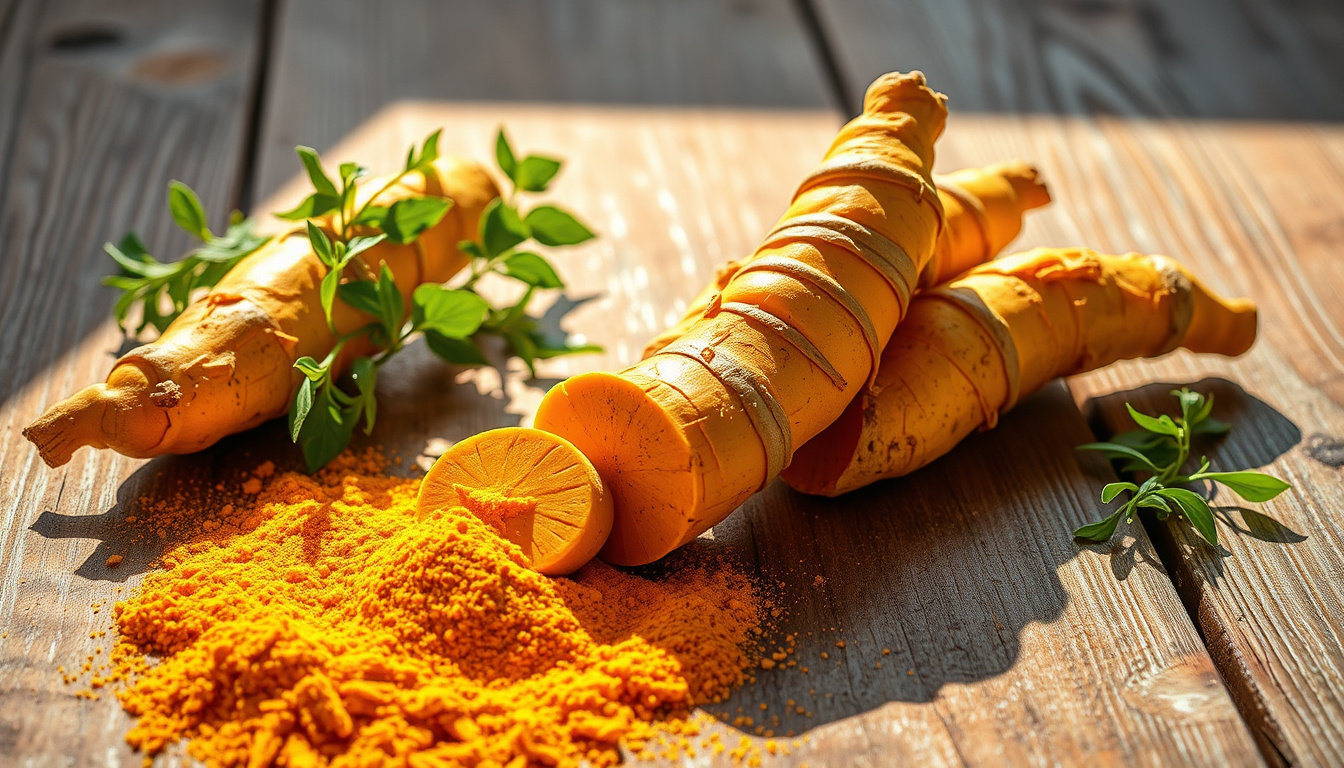
Turmeric has been used for thousands of years in traditional medicine, but modern science is still catching up with what healers have known for centuries. This golden spice contains curcumin, its most studied active compound, which appears to offer genuine health benefits for certain conditions. However, questions about safety, dosing, and which forms work best remain important for anyone considering turmeric supplements.
Research published through sources like the National Institutes of Health and peer-reviewed journals shows that curcumin can reduce inflammation and act as a powerful antioxidant. Yet the same evidence highlights real risks, particularly for people taking certain medications or dealing with specific health conditions. Understanding both the potential benefits and documented side effects helps consumers make informed decisions about whether turmeric belongs in their health routine.
What Is Turmeric Good For?
The most robust evidence supports turmeric’s anti-inflammatory properties. Curcumin appears to lower inflammatory markers in the body, which may help manage conditions like arthritis, inflammatory bowel disease, and psoriasis. Research also suggests antioxidant effects that could reduce cell damage from free radicals, potentially lowering risks of diabetes, heart disease, and certain cancers.
Studies indicate curcumin may relieve pain and reduce inflammation in arthritis patients. For gut health, research has examined doses around 1,000 mg for ulcerative colitis, though this exceeds typical amounts found in food. Topical applications show promise for skin conditions through anti-inflammatory pathways.
Overview of Benefits and Considerations
| Aspect | Details |
|---|---|
| Primary benefit | Anti-inflammatory effects supported by human trials |
| Active compound | Curcumin, representing only 3-5% of turmeric powder |
| Safety profile | Likely safe short-term at recommended doses |
| Best absorbed form | With piperine (black pepper extract) or fatty foods |
Key Insights to Consider
- Evidence is strongest for inflammation reduction and arthritis symptom relief
- Benefits for depression, atherosclerosis, and other conditions remain preliminary
- Turmeric in food amounts provides minimal curcumin compared to supplements
- Bioavailability improves significantly when paired with piperine
- Results vary considerably between individuals due to genetic factors
- Consulting a healthcare provider before starting supplementation is advisable
What Are the Side Effects of Turmeric?
While turmeric is generally safe at food-level doses, supplements bring different considerations. Common mild side effects include stomach upset, nausea, diarrhea, dizziness, acid reflux, constipation, headaches, abdominal pain, and skin rashes. These effects occur more frequently at higher doses and typically resolve when intake decreases.
More Serious Risks to Understand
Bleeding concerns exist for people with clotting disorders or those taking blood thinners like warfarin or aspirin. Curcumin may slow blood clotting, increasing bruising and bleeding risk during surgery or when combined with anticoagulant medications.
Rare but documented liver injury cases have emerged, particularly with high-absorption formulations that use piperine to boost curcumin uptake. Symptoms include jaundice, dark urine, nausea, and fatigue. Those with existing liver conditions should avoid turmeric supplements entirely. Understanding liver pain symptoms can help identify potential problems early.
Curcumin may mimic estrogen, making it problematic for people with hormone-sensitive conditions such as breast, uterine, or ovarian cancer, or those with endometriosis. Additional risks include gallbladder issues, impaired iron absorption leading to anemia, and enhanced effects of diabetes medications causing low blood sugar.
Drug Interactions to Discuss with Your Doctor
- Blood thinners and anticoagulants (warfarin, aspirin, clopidogrel)
- Diabetes medications that lower blood sugar
- Certain antibiotics
- Antidepressants
- Chemotherapy drugs
Unregulated turmeric products may contain heavy metals, gluten fillers, or contaminants not present in pharmaceutical-grade curcumin. Third-party tested supplements offer greater safety assurance.
Is Turmeric Good for Your Skin?
Topical turmeric applications have a long history in traditional skincare, and modern research supports certain uses. Anti-inflammatory properties may help manage inflammatory skin conditions, with psoriasis showing particular promise through curcumin’s ability to modulate inflammatory pathways.
How Topical Application Works
When applied to the skin, curcumin can reduce local inflammation and oxidative stress. This makes it potentially useful for acne, eczema, and other inflammatory conditions. However, some people experience contact reactions including hives and itching from topical curcumin preparations.
Oral Benefits for Skin Conditions
Internal supplementation may benefit skin health indirectly through systemic anti-inflammatory effects. Research suggests that reducing overall inflammation can improve conditions like psoriasis, though oral turmeric for skin issues remains less studied than topical applications.
Is Turmeric Good for Your Stomach?
Research has examined turmeric for gastrointestinal conditions, with ulcerative colitis studies using doses around 1,000 mg daily—substantially higher than typical food amounts. Results suggest potential benefits for managing inflammatory gut conditions, though more research is needed.
For general digestive health, turmeric may help reduce bloating and inflammation in some people. However, high doses can cause stomach upset and acid reflux, particularly in individuals with sensitive digestive systems. Starting with small amounts helps assess personal tolerance.
Is Turmeric Good for Men Specifically?
No substantial research indicates turmeric offers benefits specific to male health. Studies covering antioxidant effects, anti-inflammatory properties, and potential chronic disease prevention apply to all adults. Men experiencing conditions like arthritis or joint pain may benefit from turmeric’s documented anti-inflammatory effects, but no gender-specific advantages have been established.
Are Turmeric Supplements or Tea Good for You?
Turmeric supplements differ significantly from culinary turmeric in both concentration and risk profile. Isolated curcumin supplements provide standardized doses but carry higher safety considerations than food-based usage. Comparing supplements with food sources reveals similar patterns to other functional ingredients.
Comparing Turmeric and Curcumin Supplements
| Factor | Turmeric Spice | Curcumin Extract |
|---|---|---|
| Safety profile | Higher risks from heavy metals, variable quality | Safer when third-party tested |
| Curcumin content | 3-5% of weight | Standardized higher percentages |
| Best use | Culinary applications | Therapeutic supplementation |
| Absorption | Natural fats help absorption | Requires piperine or lipid formulations |
Understanding Bioavailability
Curcumin alone absorbs poorly in the body. Piperine, the active compound in black pepper, can increase absorption by up to 2000%. While this allows smaller doses to achieve therapeutic effects, it also concentrates side effect risks, particularly liver damage when high-absorption products are consumed in excess.
Turmeric Tea Considerations
Tea made from turmeric powder provides minimal curcumin compared to supplements. The warming beverage may offer comfort and some antioxidant benefits from the whole spice, but therapeutic effects require much larger doses. Adding black pepper and fat to tea improves absorption modestly.
Understanding the Safety Timeline
Research into turmeric’s health effects spans thousands of years of traditional use and several decades of modern clinical investigation. Understanding how knowledge has evolved helps contextualize current recommendations.
- Ancient origins — Turmeric has been used in Ayurvedic and Chinese medicine for over 4,000 years, primarily for inflammation, wound healing, and digestive support.
- Modern research begins — Scientific interest in curcumin accelerated significantly during the 1990s, with increasing clinical trials examining anti-inflammatory and antioxidant mechanisms.
- Systematic reviews emerge — By the 2010s, comprehensive reviews began synthesizing evidence on turmeric’s effects across multiple health conditions.
- 2020 anti-inflammatory meta-analysis — Reviews confirmed significant anti-inflammatory benefits, though researchers noted the need for larger, longer-term studies.
- 2025 safety updates — Regulatory agencies began documenting rare liver injury cases, particularly associated with enhanced bioavailability formulations.
What Science Confirms and What Remains Uncertain
Healthcare researchers have established certain facts about turmeric and curcumin through decades of study. Separating confirmed benefits from areas requiring more investigation helps set realistic expectations.
| Established by Research | Still Under Investigation |
|---|---|
| Anti-inflammatory effects in arthritis patients | Long-term safety at therapeutic doses |
| Antioxidant properties protecting cells | Definitive cancer prevention capabilities |
| Safe short-term use up to 8g curcumin daily | Optimal dosing for specific conditions |
| Poor absorption without piperine or fats | Effects on depression when used alone |
| Drug interactions with blood thinners | Benefits for neurodegenerative conditions |
| FDA classification as generally recognized as safe | Full extent of liver injury risk factors |
Current evidence relies heavily on studies conducted before 2025. Comprehensive meta-analyses covering recent clinical trials are limited. Individual responses vary considerably based on genetics, gut health, and other factors not fully understood.
Context: Turmeric vs. Isolated Curcumin
Whole turmeric spice contains numerous compounds beyond curcumin, including fiber, minerals, and other curcuminoids. These components may contribute to effects differently than isolated curcumin extract. Some researchers argue that whole turmeric provides a more balanced approach, while others note that standardized curcumin doses offer more predictable therapeutic outcomes.
The choice between forms depends on goals. Culinary turmeric in curries and golden milk provides flavor and some antioxidant benefits suitable for general wellness. Therapeutic supplementation typically requires concentrated curcumin to achieve meaningful blood levels, making extracts the practical choice for addressing specific conditions.
What Expert Sources Say
The British Heart Foundation advises consulting a general practitioner before starting turmeric supplements, particularly for individuals with existing health conditions or those taking medications.
WebMD’s review notes that up to 8 grams of curcumin daily appears safe for short-term use spanning two months, while recognizing that most people obtain much less through diet alone.
Harvard Health Publishing emphasizes that while evidence supports certain benefits, consumers should approach turmeric supplementation with realistic expectations and medical guidance.
Summary: Is Turmeric Good for You?
Turmeric offers genuine benefits supported by scientific evidence, with anti-inflammatory effects and arthritis symptom relief representing the strongest applications. However, supplement use carries real risks that require consideration, particularly regarding liver health, bleeding complications, and drug interactions. Starting with food-based turmeric rather than concentrated supplements provides a lower-risk entry point for those exploring potential benefits.
For anyone considering therapeutic supplementation, consulting healthcare providers helps ensure safe integration with existing medications and health conditions. Quality matters significantly—choosing third-party tested products reduces exposure to contaminants and ensures accurate dosing. The answer to whether turmeric is good for you depends on your specific circumstances, health status, and goals.
Frequently Asked Questions
Is it better to take turmeric supplements or use turmeric as a spice?
For general wellness, culinary turmeric provides safe benefits. Therapeutic goals typically require concentrated curcumin supplements to achieve effective doses, though this increases side effect risks.
Is turmeric specifically beneficial for men?
No research establishes men-specific benefits. Anti-inflammatory and antioxidant effects apply equally, though men experiencing arthritis or joint pain may find these general benefits particularly relevant.
What is the safest way to start taking turmeric?
Begin with small amounts of culinary turmeric in food. If supplementing, start with low doses and assess tolerance before increasing. Always inform your doctor about any supplement use.
Can turmeric interact with blood pressure medications?
Turmeric may interact with blood thinners and could theoretically affect blood pressure. Discuss any supplementation with your healthcare provider, especially if taking cardiovascular medications.
How long does it take to notice benefits from turmeric?
Effects vary by condition and individual. Anti-inflammatory benefits for arthritis may appear within weeks, while other effects require longer supplementation periods. Research does not clearly define optimal timeframes.
Should I take turmeric with food?
Yes, consuming turmeric with fats significantly improves curcumin absorption. Adding black pepper provides additional absorption benefits through piperine.
Are there people who should completely avoid turmeric?
Those with liver disease, scheduled surgery, bleeding disorders, gallbladder issues, or hormone-sensitive conditions should avoid or limit turmeric supplements after consulting their healthcare provider.
What dose is considered safe for daily turmeric supplementation?
Research suggests 500-2,000 mg of curcumin daily for therapeutic purposes, with short-term safety up to 8,000 mg daily for approximately two months. Individual tolerances vary considerably.

Oliver Arthur Morgan Harrison is a staff writer for StoryShift.uk, covering UK news, culture, politics and technology. He works under Editor-in-Chief Maarika Tamm and UK Managing Editor Oliver Grant, following the newsroom standards for sourcing, verification and fact-checking set out in our editorial policies.