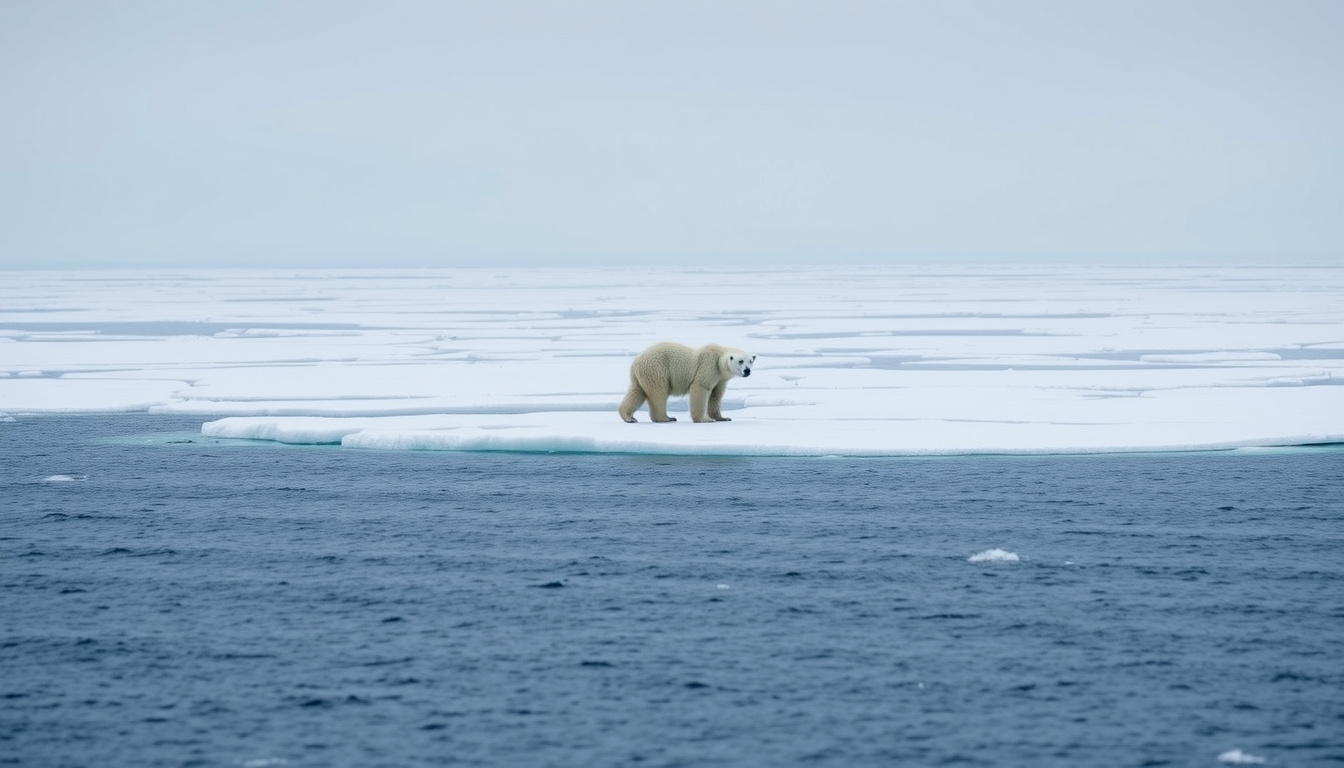
The polar bear (Ursus maritimus) is the largest living land carnivore and the biggest bear species on Earth. Adult males typically weigh between 350 and 600 kg, though exceptional individuals have been recorded at over 800 kg. These Arctic giants are instantly recognizable by their white fur, massive paws, and long necks, and they depend almost entirely on sea ice for hunting seals.
Polar bears are found across the Arctic regions of Canada, Alaska, Russia, Greenland, and Svalbard. Their survival is closely tied to the health of the sea ice, which is rapidly diminishing due to climate change. Understanding their size, diet, population status, and conservation outlook is essential for anyone interested in wildlife and the future of the Arctic ecosystem.
How Big Is a Polar Bear? Size, Height, and Weight Compared to Other Bears
Ursus maritimus
800–1,300 lbs (350–600 kg)
Up to 10 feet (3 m)
Vulnerable (IUCN)
- Polar bears are the largest land carnivores on Earth.
- Their primary food source is seals, which they hunt from sea ice.
- Climate change is the single greatest threat to their habitat.
- Current global population is estimated at 22,000–31,000 individuals.
- Polar bears can swim continuously for up to 60 miles (100 km).
- They have an exceptional sense of smell and can detect seals under snow or ice.
- Newborn cubs weigh about 0.6 kg and stay with their mother for roughly two years.
| Fact | Value |
|---|---|
| Top speed on land | 25 mph (40 km/h) |
| Swimming range | Up to 60 miles (100 km) continuously |
| Lifespan in the wild | 25–30 years |
| Gestation period | 195–265 days |
| Number of polar bears left in the wild | 22,000–31,000 |
| Shoulder height (adult male) | 1–1.5 m (3.3–5 ft) |
| Standing height (adult male) | Up to 3 m (10 ft) |
| Female weight range | 150–300 kg (330–660 lb) |
| Number of recognized subpopulations | 19–20 across the Arctic |
| IUCN Red List classification | Vulnerable |
What Do Polar Bears Eat? Understanding Their Diet and Hunting Habits
Primary Prey: Seals and Marine Mammals
Polar bears are specialized predators of ringed seals and bearded seals. These marine mammals provide the high-fat diet that polar bears need to survive in the Arctic. According to the Polar Bear Agreement and the WWF, polar bears rely heavily on the energy-rich blubber of seals, especially during the spring and early summer when prey is most accessible on the sea ice.
Ringed seals are the most important prey species for polar bears across much of the Arctic. Bearded seals are a secondary but still critical food source, especially for larger males.
Seasonal Diet Variations
When sea ice melts in summer, polar bears in some regions are forced ashore for extended periods. During this time, they may scavenge on whale carcasses, hunt harp seals and hooded seals, or even prey on small mammals, birds, and eggs. The Alaska Department of Fish and Game notes that polar bears are opportunistic feeders, though their physiology is best adapted to a diet rich in marine mammal fat.
Do Polar Bears Eat Berries or Land Animals?
On land, polar bears have been observed eating berries, grasses, and other vegetation, but these items provide little nutritional value compared to seal blubber. The Marine Mammal Center explains that while polar bears can survive temporarily on terrestrial food, it is not sufficient to sustain their energy requirements over the long term. Their entire evolutionary history is tied to hunting seals from sea ice.
Are Polar Bears Going Extinct? Current Status and Conservation Efforts
Are Polar Bears Endangered? (IUCN Status)
Polar bears are classified as Vulnerable on the IUCN Red List. This means they are not yet endangered but face a high risk of extinction in the wild if current threats continue. The term “endangered” is sometimes used in broader public discussions, but the official designation is Vulnerable.
Threats: Climate Change and Sea Ice Loss
The primary threat to polar bears is the loss of sea ice caused by global warming. Polar bears use sea ice as a platform to hunt seals, travel, breed, and sometimes den. As the Arctic warms at more than twice the global average, the ice is forming later in autumn and melting earlier in spring. According to Polar Bears International, this shortens the hunting season and forces bears to fast for longer periods, leading to poor body condition and lower reproductive success.
Without significant reductions in greenhouse gas emissions, most polar bear subpopulations are projected to decline sharply by the middle of this century. The Arctic sea ice loss is already measurable and accelerating.
Polar Bear Population Estimates 2024–2025
The most recent global estimate from the WWF places the total polar bear population at roughly 22,000 to 31,000. These bears are distributed across 19 to 20 subpopulations in Canada, Alaska, Russia, Greenland, and Svalbard. While some subpopulations are currently stable or even increasing locally, others, particularly in the southernmost parts of their range, are showing measurable declines. The Wikipedia entry on polar bears summarizes peer-reviewed studies that indicate continued habitat loss will drive population declines.
Cultural and Creative Interpretations: Polar Bear Ice Cream, AI, and Drawing Guides
The Origin of Polar Bear Ice Cream
The phrase “polar bear ice cream” appears in casual contexts but has no confirmed authoritative connection to the biology or behavior of polar bears. It may be a brand name, a playful product title, or a cultural reference. No verifiable sources link the name to any specific biological trait of the species.
Polar Bear AI: What Does It Refer To?
“Polar Bear AI” is not a widely established technical term. It could refer to an AI-powered conservation tool, a brand, or a metaphorical name for a system. Currently, no definitive, authoritative source defines the term precisely.
Step-by-Step Polar Bear Drawing Tips
For anyone interested in drawing a polar bear — whether by hand or using an AI image generator — the most reliable visual traits include a large white-to-cream body, a long neck and narrow head, small ears, a black nose, and massive paws adapted for ice and swimming. The National Geographic Kids website notes that polar bear fur often appears white but can look slightly yellowish or cream under certain light. Typical settings include Arctic sea ice, snow, open water, or a frozen coastline.
If you are using AI to generate a polar bear image, a prompt like this may work well: “A large adult polar bear on Arctic sea ice, creamy-white fur, powerful shoulders, black nose and eyes, massive paws, cold blue light, snow drift, realistic wildlife photography style.”
Timeline of Polar Bear Conservation Milestones
- 1973 — The International Agreement on the Conservation of Polar Bears is signed by the five Arctic nations, banning unregulated hunting and promoting research.
- 2008 — Polar bears are listed as threatened under the United States Endangered Species Act due to the loss of sea ice.
- 2015 — The IUCN reclassifies the polar bear from “Data Deficient” to “Vulnerable” based on projected population declines linked to climate change.
- 2024 — New population studies reveal variable regional declines, with some subpopulations showing steep drops while others remain stable.
What Is Certain and Uncertain About Polar Bear Extinction?
| Established Information | Information That Remains Unclear |
|---|---|
| Polar bears rely on sea ice for hunting; without it, they cannot survive over the long term. | The exact timeline for extinction is unknown and varies widely depending on future emissions scenarios. |
| The Arctic is warming at more than twice the global average, causing significant sea ice loss. | Some subpopulations are currently stable or even increasing locally, making global predictions uncertain. |
| Polar bear populations are declining in some regions, especially in the southern Arctic. | Whether polar bears can adapt by relying more on land-based food sources remains uncertain. |
Why Are Polar Bears Important for the Arctic Ecosystem?
Polar bears are considered an indicator species for the health of the Arctic. Their dependence on sea ice means that changes in their population reflect broader ecological shifts. Most climate models predict significant population declines by 2050 if warming trends continue, making the polar bear a powerful symbol of the effects of climate change on wildlife. Conservation efforts focus on reducing carbon emissions and protecting critical sea-ice habitats.
What Do Experts Say About Polar Bears?
“The polar bear is the largest bear in the world and the Arctic’s top predator.” — World Wildlife Fund
“We are a science-based charity protecting polar bears and their sea ice habitat.” — Polar Bears International
“Ursus maritimus is listed as Vulnerable.” — IUCN Red List
What Is the Future Outlook for Polar Bears?
Continued monitoring via satellite collars, live cams, and population surveys will be essential for tracking changes. Policy efforts focus on reducing carbon emissions and protecting critical sea-ice habitats. Public engagement through adoption programs and AI-driven education tools also plays a role in raising awareness. The fate of polar bears remains tied to global climate action.
Frequently Asked Questions About Polar Bears
What is the scientific name of the polar bear?
Ursus maritimus.
How fast can a polar bear swim?
Up to 6 mph (10 km/h).
Do polar bears hibernate?
Only pregnant females den and enter a hibernation-like state. Other polar bears remain active year-round.
What does ‘Polar Bear AI’ refer to?
It likely refers to a brand, product, or metaphor; no definitive verifiable source was found.
Why is polar bear ice cream called that?
Possibly a brand name; no authoritative connection to the animal’s biology has been established.

Oliver Arthur Morgan Harrison is a staff writer for StoryShift.uk, covering UK news, culture, politics and technology. He works under Editor-in-Chief Maarika Tamm and UK Managing Editor Oliver Grant, following the newsroom standards for sourcing, verification and fact-checking set out in our editorial policies.