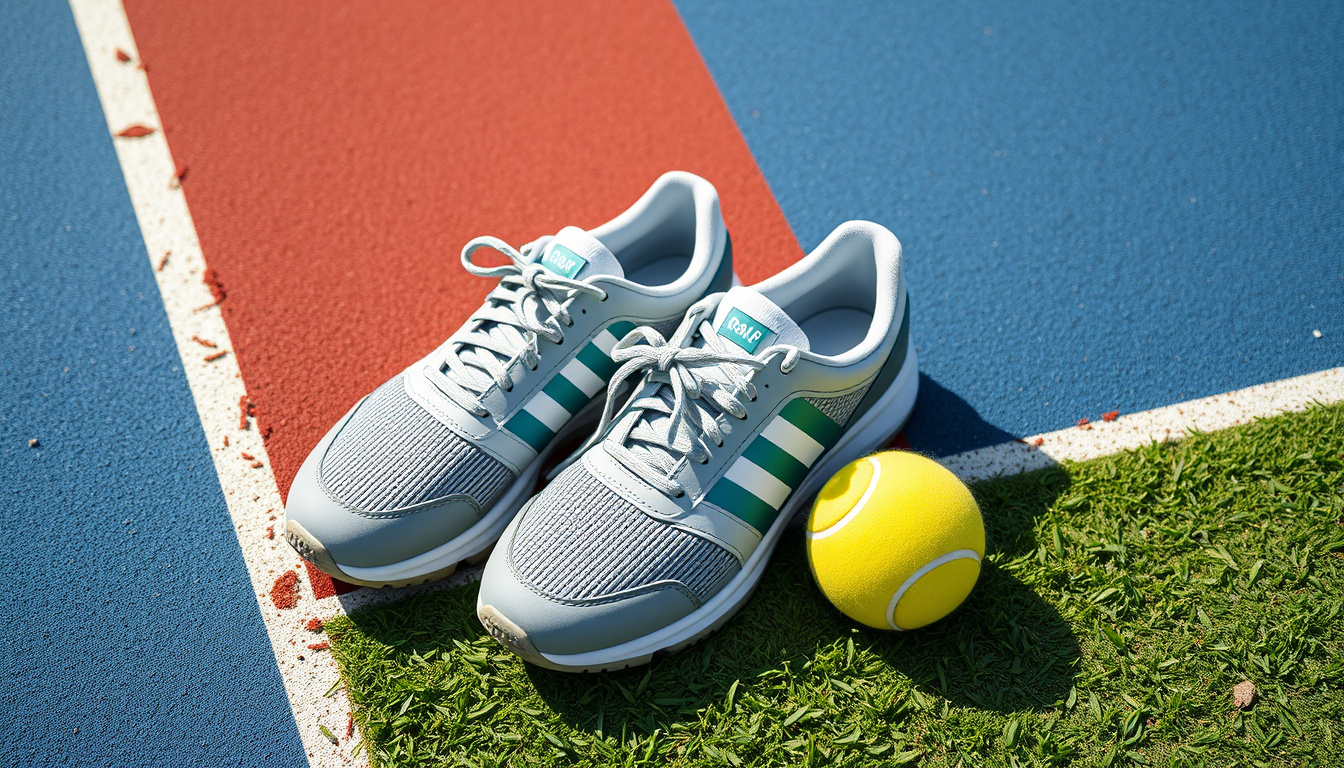
Choosing the right pair of tennis shoes can be the difference between a comfortable match and a painful one. With multiple brands, court-specific designs, and a wide price range, finding the best option for your game requires a clear understanding of what matters most. This guide breaks down the top models for men and women, compares the leading brands, and explains how to match your shoes to the surface you play on most often.
The strongest recurring picks across expert guides for the UK market in 2025 and 2026 are the ASICS Court FF and Gel Resolution series, the adidas Barricade, the Nike Vapor and Zoom Vapor lines, and the New Balance Fresh Foam X CT-Rally. The right choice for you depends primarily on your usual court surface, your support needs, and whether you prioritise speed, stability, or comfort.
What Are the Best Tennis Shoes for Men and Women?
ASICS Court FF 3 – frequently ranked top for all-court performance.
adidas CourtJam Control 3 – appears consistently in women’s recommendations.
ASICS – superior grip and cushioning for hard surfaces.
ASICS Gel Challenger 15 – a balanced, accessible model.
- Court surface dictates outsole pattern: herringbone for clay, solid for hard, grass-specific nubs.
- Most tennis shoes last between 100 and 200 hours of play, depending on intensity and surface.
- Ankle support and toe protection are critical for the lateral movements common in tennis.
- Nike tends to be lighter and faster; ASICS offers more cushioning and durability; adidas blends style with support.
- Beginners should prioritise fit and comfort over advanced features such as stability frames.
- Women’s and men’s versions may differ in last shape and fit, so checking for a women’s-specific model is advisable.
| Attribute | Typical Range |
|---|---|
| Price | £60 – £180 |
| Lifespan | 100–200 hours of play |
| Upper materials | Mesh, synthetic leather, knit |
| Outsole materials | Rubber (non-marking) |
| Average weight | 300–450 grams per shoe |
| Warranty | Usually 90 days to 1 year |
Which Tennis Shoe Brand Is Best: Nike, ASICS, Adidas, or New Balance?
Each of the major brands has carved out a distinct strength. The choice often comes down to whether you prioritise stability, speed, cushioning, or all-round versatility.
ASICS
ASICS appears most often as the strongest all-around brand in expert lists, particularly for the Court FF, Gel Resolution, Solution Speed, and Gel Challenger models. The brand is best known for all-court performance, high stability, and reliable durability, with a model for nearly every player type. For an in-depth look at the full range, consult the Best tennis shoes guide.
adidas
adidas is consistently strong for the Barricade line and lighter speed shoes such as the Ubersonic. The brand is associated with stability, court feel, a structured fit, and good all-round value.
Nike
Nike models such as the Vapor Pro 3, Zoom Vapor 12, and Air Zoom Vapor are commonly associated with speed and agility. They tend to offer a fast feel, lighter weight, and suit aggressive movement on hard courts.
New Balance
New Balance shows up most strongly in the cushioning and comfort category with the Fresh Foam X CT-Rally v2. It is best for shock absorption, comfort over long sessions, and a softer ride.
If you want maximum stability and durability, start with ASICS or adidas. If speed and agility are your priority, Nike or the ASICS Solution Speed FF are better fits. For comfort during long matches, the New Balance Fresh Foam X CT-Rally v2 is the strongest option.
How to Choose the Right Tennis Shoes for Your Court Surface?
According to the Lawn Tennis Association, the best shoes vary by surface. The outsole pattern, cushioning level, and durability all need to match where you play.
Hard courts
Choose durable outsoles and extra cushioning to absorb repeated impact. Hard courts are the most common surface in the UK, and they place the highest demand on both traction and shock absorption. For more on surface-specific choices, the Best tennis shoes buying guide by court surface provides additional detail.
Clay courts
Look for herringbone-patterned outsoles that provide grip while allowing controlled sliding. A pure hard-court outsole will not perform well on clay and may wear down prematurely.
Grass courts
Select shoes with small, closely spaced treads for traction on slippery grass. Grass-court tennis requires a different grip pattern to prevent slipping during lateral movement.
Fit is the most important factor for injury prevention. You should have about a thumb’s width of toe room and no heel slippage. If you play on multiple surfaces, an all-court model such as the ASICS Court FF 3 or Gel Resolution X is the most versatile choice.
What about beginners?
Beginners and recreational players should prioritise fit and comfort over advanced features. Models like the ASICS Gel Challenger 15 or a more affordable all-court shoe offer a balanced entry point without sacrificing the basics.
Where to Buy Tennis Shoes in the UK?
UK customers have several reliable options for buying tennis shoes, both online and in-store. Specialist retailers such as Tennis-Point offer a wide selection with filtering by brand, level, and court type. Sports Direct carries a range of models from Nike, adidas, and ASICS, often at discounted prices. Official brand sites, including Nike, ASICS, adidas, and New Balance, provide detailed product specifications and the latest collections.
The LTA’s guide adds authoritative advice on selecting the right shoe but does not include product recommendations or pricing. For independent comparisons, expert round-ups on sites like RunRepeat and Tennis Gear Guide offer detailed breakdowns of performance, durability, and value.
Women’s and men’s versions may differ in last shape and fit. Always check whether a model is available in a women’s-specific version rather than relying on unisex sizing. If possible, visit a specialist tennis shop for a proper fitting before committing to a pair.
How Have Tennis Shoes Evolved Over the Decades?
- 1970s: Canvas plimsolls were replaced by leather shoes such as the adidas Stan Smith.
- 1980s: Nike introduced Air cushioning, and ASICS released its Gel technology.
- 1990s: Lightweight synthetic materials and stability features emerged, exemplified by the adidas Barricade.
- 2000s: Brand-specific outsole patterns were developed for different court surfaces.
- 2010s: Knit uppers, laceless designs, and carbon fibre plates became common.
- 2020s: Sustainability became a focus, with recycled materials and data-driven custom fits entering the market.
What Is Certain and What Remains Uncertain About Tennis Shoes?
| Established information | Information that remains unclear |
|---|---|
| Tennis shoes differ from running shoes in lateral support and outsole pattern. | Whether a specific brand is “best” depends on foot shape, playing style, and budget. |
| Hard court shoes require more durable outsoles than clay court shoes. | The exact lifespan of a shoe varies widely based on usage frequency and player weight. |
| Proper fit is the most important factor for injury prevention. | The effectiveness of energy-return technologies such as Boost or Gel is subjective and varies by individual. |
What Does the Current Tennis Shoe Market Look Like?
ASICS dominates the durable, high-performance segment of the market, while Nike leads in lightweight speed shoes. adidas and New Balance appeal to lifestyle crossover buyers, though their tennis-specific lines are smaller by comparison. UK customers increasingly buy online from Tennis-Point and Sports Direct for convenience and pricing. The LTA’s guide adds authoritative advice on selection but lacks product-specific recommendations, leaving a gap that independent expert round-ups help to fill.
What Do Official Sources Say About Tennis Shoes?
“Look for shoes with durable outsoles and added cushioning to absorb impact from the hard surface.”
— LTA guide
“Find Tennis shoes to match your level and court demands.”
— Tennis-Point
“Tennis shoes with flexible mesh uppers let air circulate around your feet.”
— adidas UK
What Should You Take Away From This Guide?
The best tennis shoe for you depends on your court surface, your playing style, and your budget. ASICS, adidas, Nike, and New Balance each offer distinct strengths, and the top-rated models across expert guides are the ASICS Court FF 3, ASICS Gel Resolution X, adidas Barricade 14, Nike Vapor Pro 3, and New Balance Fresh Foam X CT-Rally v2. For a deeper look at the full range of options, see the Best tennis shoes guide and the Best tennis shoes buying guide by court surface.
Frequently Asked Questions
How long do tennis shoes last?
On average, 100–200 hours of play. Lighter players may extend the life; heavier players or hard court use may reduce it. Replace shoes when the tread wears down or cushioning feels flat.
What is the difference between tennis shoes and running shoes?
Tennis shoes have reinforced lateral support, flat outsoles for stability, and durable toe caps. Running shoes are designed for forward motion with more cushioning and a curved sole.
Do I need special shoes for tennis?
Yes. Running shoes lack the lateral support needed for side-to-side movement, increasing injury risk. Tennis shoes provide stability, grip, and protection against court wear.
What are the best tennis shoes for beginners?
Look for comfortable, affordable options with good cushioning. Brands such as ASICS (Gel-Game), Head (Sprint Pro), and Nike (Court Lite) are solid choices.
Does Sports Direct sell tennis shoes?
Yes, Sports Direct carries a range of tennis shoes from brands including Nike, adidas, and ASICS, often at discount prices.
Are Nike tennis shoes good for tennis?
Nike models such as the Vapor Pro 3 and Zoom Vapor 12 are well-regarded for speed and agility. They suit players who value a fast feel and lighter weight on hard courts.
Are ASICS tennis shoes good for tennis?
ASICS is widely considered the strongest all-around brand for tennis, offering high stability, reliable durability, and models for nearly every player type.
What is the best tennis shoe for hard courts?
The ASICS Court FF 3 and Gel Resolution X are repeatedly recommended for hard courts due to their durable outsoles and cushioning. The adidas Barricade 14 is a strong alternative.
Can I use running shoes for tennis?
Not recommended. Running shoes lack lateral support and have a curved sole that can cause instability during side-to-side movement, increasing the risk of ankle injuries.
How should tennis shoes fit?
You should have about a thumb’s width of toe room and no heel slippage. The shoe should feel snug around the midfoot without being tight.

Oliver Arthur Morgan Harrison is a staff writer for StoryShift.uk, covering UK news, culture, politics and technology. He works under Editor-in-Chief Maarika Tamm and UK Managing Editor Oliver Grant, following the newsroom standards for sourcing, verification and fact-checking set out in our editorial policies.