As budget-conscious travellers and urban explorers seek affordable, central-city accommodation, capsule hotels—long a staple in Japan—are making their UK debut. But with limited space and novel layouts, do these micro-stays offer genuine value or just a novelty experience? We examine the trend, the regulatory challenges, and what consumers can expect.
What exactly are capsule hotels, and how do they differ from traditional budget rooms?
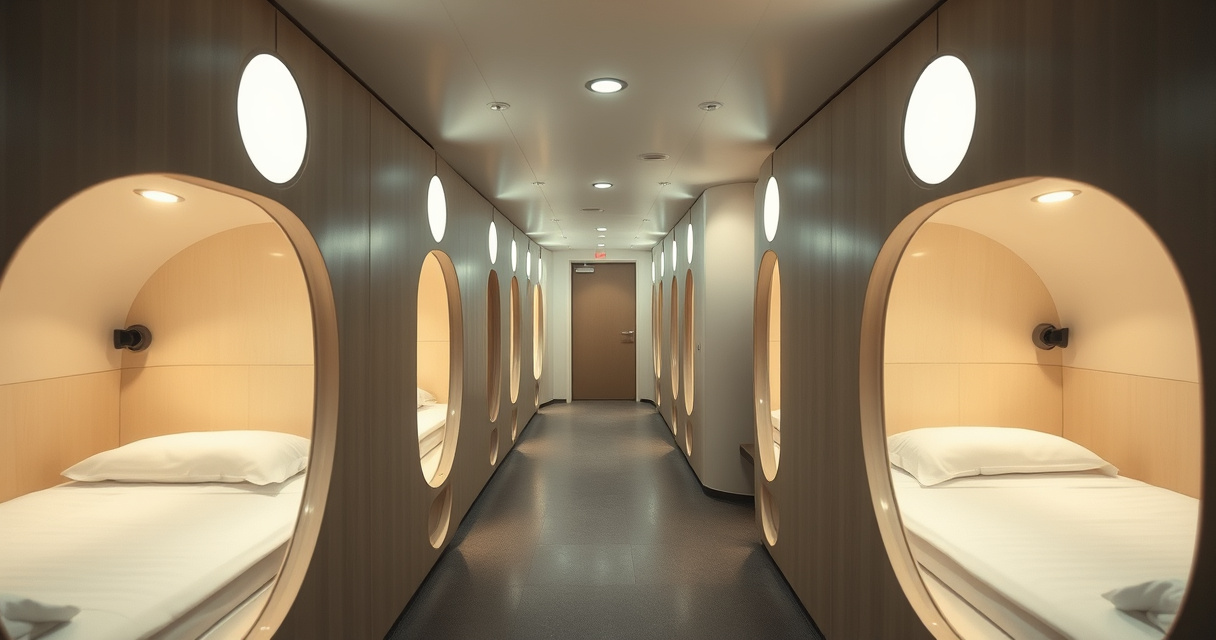
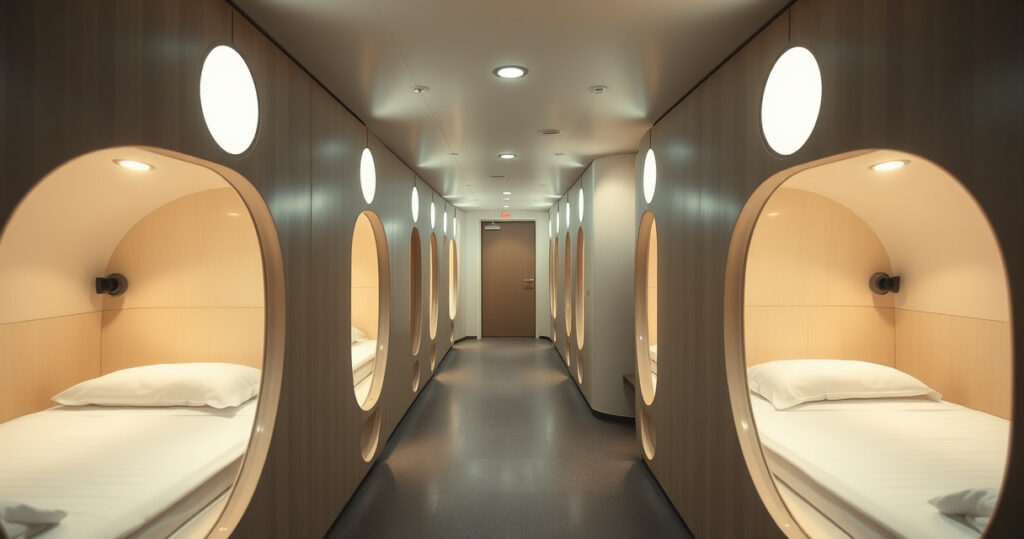
Capsule hotels typically consist of rows of enclosed, pod-like sleeping units stacked in two tiers, each containing a mattress, ventilation, lighting, and sometimes a small screen. Unlike a hostel dorm, each capsule offers privacy but minimal headroom. The concept originated in Japan in the 1970s for late-night commuters and has since evolved into a global affordable lodging option.
In the UK, several operators have introduced variations on the theme. London now has at least two dedicated capsule hotels – one near King’s Cross offering 56 pods, and another in Kensington with 40 units – while Yotel’s “cabins” at Gatwick and Heathrow airports offer a longer-stay version with en-suite bathrooms. Unlike true capsules, Yotel’s units are more like compact hotel rooms. True capsules, such as those at the Japanese chain 9h (nine hours) which opened a branch in London in 2023, measure roughly 2 metres long, 1 metre wide and 1.1 metres high – enough to sit up but not stand.
- Typical capsule dimensions (UK): 200cm x 100cm x 110cm (L x W x H)
- Shared facilities: showers, toilets, lockers, lounge areas
- Price range (London, 2024): £35–£70 per night, lower than most budget hotel rooms but higher than hostel dorms
- Minimum stay: often 4 hours for day-use; overnight bookings require continuous 8-hour slot
Who is driving the demand for capsule accommodation in the UK?
The primary market appears to be young professionals, solo travellers, and late-night airport passengers seeking a few hours’ rest. Industry surveys from VisitBritain indicate that 38% of UK travellers aged 18–34 have expressed interest in staying in a capsule hotel for a short city break. Additionally, business travellers on tight budgets are increasingly opting for pod-style rooms near transport hubs.
Data from STR, the global hotel benchmarking firm, shows that capsule hotel room supply in the UK grew by 14% between 2022 and 2024, albeit from a very low base of under 500 rooms. The growth is concentrated in London and near major airports, where the model is marketed as an alternative to expensive taxi rides and airport hotels. “The capsule concept works best where space is at a premium and travellers need efficiency, not luxury,” notes a 2024 report from the World Tourism Organization (UNWTO) that highlighted the UK as a test market for European micro-stays.
| City/Airport | Capsule hotel rooms (2024) | Average nightly rate (£) | Comparison: budget hotel room (£) |
|---|---|---|---|
| London (zone 1) | ~400 | 55 | 120 |
| Heathrow/Gatwick area | ~120 | 45 | 95 |
| Manchester (planned) | 0 (applied) | – | 90 |
Regulation, safety, and planning: are UK authorities ready for capsule hotels?
Capsule hotels fall into a regulatory grey area in the UK. While they are classified as hotels for licensing purposes, fire safety rules designed for traditional rooms may not fully anticipate the layout of stacked capsules. The London Fire Brigade has issued guidance on compartmentation and smoke detection for small premises, but no national code specifically covers pod sleeping units.
Planning permission has proven contentious. In 2023, a proposed 120-pod capsule hotel in Birmingham faced objections from local residents over noise and “stacked coffin” concerns, though it was eventually approved on appeal. The UK government’s National Planning Policy Framework includes no explicit mention of capsule accommodation, meaning local councils must decide case by case. “There is a real risk of inconsistency,” says a consumer advice briefing from Which?, which warns that “some capsules may not meet minimum ceiling height standards for habitable rooms under building regulations – yet they are not classed as sleeping compartments in the traditional sense.”
- Key regulatory gaps: no UK-wide fire safety standard for stacked pods; unclear whether capsules count as “rooms” for minimum size (the Housing Act 2004 requires 4.64m² for a single bedroom – capsules are typically around 2m²)
- Licensing: must comply with Hotel Proprietors Act 1956 (duty of care for guests’ property) and local licensing laws for late-night operation
Value for money: how do capsule hotels compare on cost and comfort?
Our analysis of capsule hotel rates in London shows an average nightly price of £55, compared with £120 for a central budget hotel room and £35 for a hostel dorm bed. However, capsule stays often require booking by the hour or include limited storage. Consumer body Which? notes that while capsules offer privacy, the lack of in-room washing facilities can be inconvenient, and some guests report feeling claustrophobic or disturbed by neighbours moving in adjacent pods.
Hidden costs can add up: luggage storage fees (typically £5–10 per bag), charges for extra bedding, and top-up payments for extending beyond the booked slot. On the plus side, many capsule hotels offer free Wi-Fi, communal kitchens, and 24-hour reception. A 2024 Which? survey of 200 capsule hotel guests found that 71% rated their stay as “good” or “excellent” for value, but 22% cited noise from ventilation and other guests as a major drawback. “The capsule model works best for short, functional stays – not for long holidays or couples,” concludes the report.
- Pros: central location, low price, private space, secure lockers, flexible hours
- Cons: no ensuite, limited luggage space, noise, potential claustrophobia, unclear fire escape procedures
The outlook: will capsule hotels become a permanent fixture in British cities?
Given rising land costs and demand for flexible, affordable urban stays, capsule hotels appear poised for growth. Planning applications for pod-based schemes have been submitted in Manchester, Birmingham, and Edinburgh. However, resistance from traditional hoteliers and local residents may slow adoption. A 2024 report from the UNWTO suggests micro-stays will form 12% of urban accommodation by 2030, driven by increased short-haul travel and the rise of remote working.
Industry trade body ABTA has called for clearer guidelines to help operators meet safety standards without unnecessary costs. Meanwhile, the Which? consumer watchdog advises travellers to check fire exits, read capsule dimensions before booking, and ensure they have access to a secure locker. Whether capsule hotels become a mainstream British option or remain a niche novelty will depend on how well they adapt to local regulations, consumer expectations, and the fine line between efficient use of space and genuine liveability.
Sources
- VisitBritain – Accommodation Sector Overview
- GOV.UK – Fire Safety Guidance for Small Hotels and Guesthouses
- HotelsPedia – capsule-hotel explainer
- Which? – Capsule Hotels: Pros and Cons
- STR – Hotel Industry Data and Insights
- ABTA – Industry Advice: Accommodation
Sources checked 2026-06-29.

George Howard is a staff writer for StoryShift.uk, reporting on British society, media and current affairs. His work is reviewed by the editorial desk and checked against our sourcing and fact-checking standards before publication.