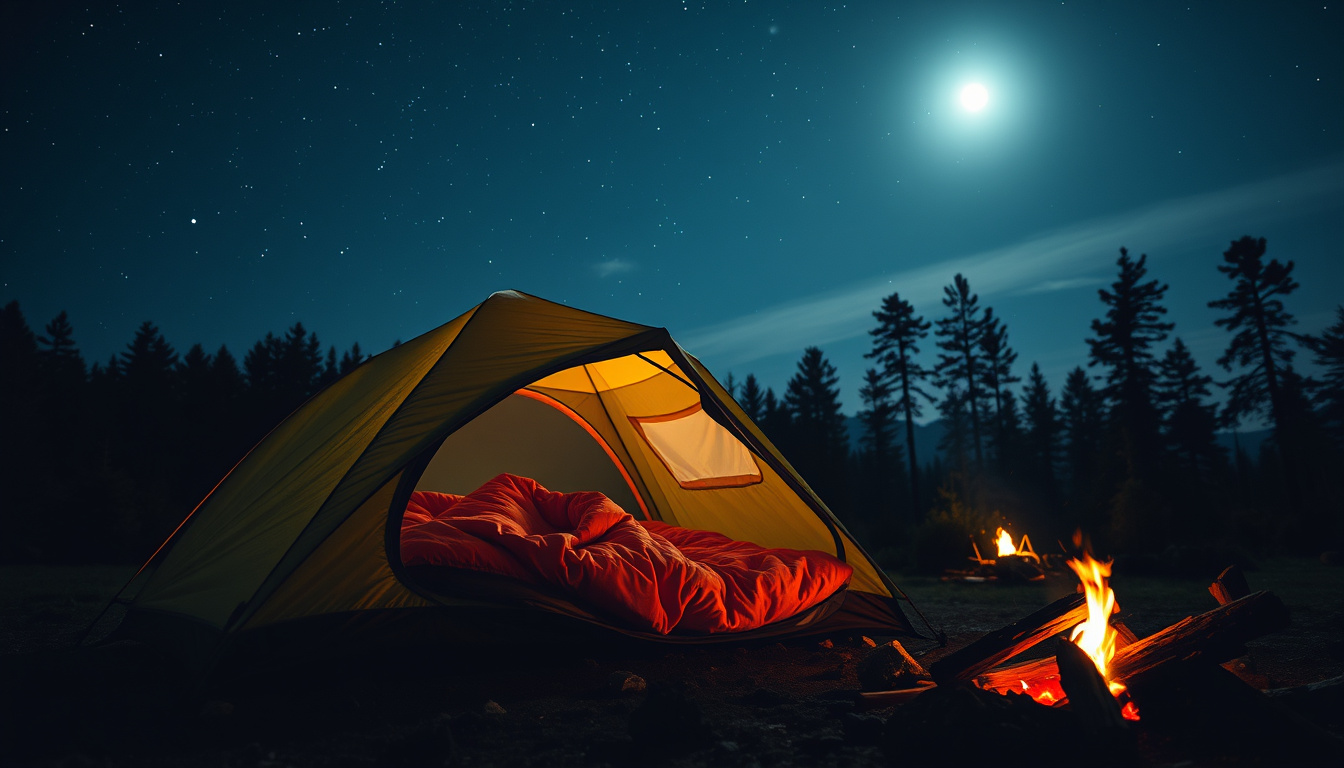
Choosing a sleeping bag for camping can feel overwhelming when you consider the many types, temperature ratings, and insulation materials available. For adults, kids, and babies, the right bag depends on matching the temperature rating to the coldest conditions you expect, then deciding between down and synthetic insulation based on warmth, weight, bulk, and wet‑weather performance. In the UK market, retailers such as Argos and Decathlon offer a mix of summer, 3‑season, and 4‑season bags, but the real deciding factors are the rating system and insulation type rather than the store name.
A sleeping bag is one of the most personal pieces of camping gear. Your comfort at night directly affects your energy the next day, so understanding how to pick the right one is worth the time. This guide walks through the main considerations: temperature ratings, seasonal classifications, material differences, and what to look for when buying for children or babies. It also covers where to shop in the UK and when to find the best deals.
How Do You Choose the Best Sleeping Bag for Camping?
| Type | Best For | Temperature Range | Price Range |
|---|---|---|---|
| Summer / 1‑season | Warm weather camping | Above 10°C | £20–£80 |
| 3‑season | Spring / Summer / Autumn | −5°C to 10°C | £40–£200 |
| 4‑season / Winter | Cold weather & winter camping | Below −5°C | £100–£400+ |
| Kids | Children aged 3–12 | 5°C to 15°C | £15–£70 |
| Baby travel sacks | Infants | Indoor / warm | £10–£30 |
| Double | Couples | Varies | £50–£250 |
Beyond the table, several key points guide the decision.
- Temperature ratings are the most important specification – always look for the comfort rating rather than the extreme rating.
- Down insulation offers better warmth‑to‑weight and packs smaller, but synthetic handles damp conditions far better.
- Kids’ sleeping bags must meet safety standards (no drawstrings, fire retardancy).
- 4‑season bags are heavy and often overkill for most UK camping.
- Retailers like Decathlon and Argos offer budget options, while Snugpak and Sea to Summit cover premium needs.
- Choosing the correct length for your height greatly affects warmth and comfort.
| Sleeping Bag Quick Facts |
|---|
| Most common temperature rating system: EN 13537 (Comfort, Limit, Extreme) |
| Down fill power ranges from 500 to 900+ – higher numbers mean warmer and lighter |
| Shapes: Mummy (warmest), Rectangular (roomiest), Semi‑rectangular (compromise) |
| A sleeping bag’s lifespan is typically 5–10 years with proper care |
| UK standard crib/baby sleeping bags come in TOG ratings (0.5, 1.0, 2.5) – not temperature ratings |
What Is a 4‑Season Sleeping Bag and Do You Need One?
A 4‑season sleeping bag, also called a winter bag, is designed for cold weather camping where frost or snow is likely. Mountain Warehouse explains that season labels usually run from 1‑season summer bags to 4‑season winter bags, with 4‑season bags intended for the coldest conditions. But “4‑season” is largely a marketing shortcut rather than a strict standard.
Can I Use a 3‑Season Sleeping Bag in Winter?
It depends on the temperature rating. A 3‑season bag typically has a comfort rating around −5°C to 10°C. In winter, if temperatures drop well below that, you can add a thermal liner or wear extra layers, but it is not recommended for sustained cold. Outdoor Gear Lab suggests that for winter camping you should look for bags rated around 0°F (−18°C) or colder.
What Temperature Rating Defines a 4‑Season Bag?
There is no single official threshold. In practice, most 4‑season bags have a comfort rating below −5°C, often −10°C or lower. The EN 13537 standard provides comfort and lower limit ratings – the comfort rating is the one to trust. REI advises that lab ratings do not fully account for metabolism, clothing, or sleeping pad, so a practical car‑camping rule is to choose a bag rated about 10–15 degrees colder than the lowest temperature you expect.
Are 4‑Season Sleeping Bags Too Warm for Summer?
Yes, generally. A 4‑season bag is heavily insulated and can be uncomfortably hot in mild weather. If you only camp in summer, a summer (1‑season) bag rated around 40°F (4°C) is a better fit. Some campers use a 3‑season bag year‑round by adding or removing layers, but a dedicated winter bag is best left for cold trips.
Always compare the bag’s temperature rating, not just the season label. A 3‑season bag with a comfort rating of −5°C may serve you better than a cheap 4‑season bag with a higher comfort rating. The EN 13537 standard is your safest reference.
Which Sleeping Bag Is Best for Kids and Babies?
What Sleeping Bag Is Best for Toddlers?
Kids’ sleeping bags often do not use the same clear temperature labeling as adult bags. Instead, fit and the manufacturer’s stated age or size range matter most. For cooler conditions, bags rated around 20°F (−7°C) and 30°F (−1°C) are common examples. The Morrison Little Mo comes in a down 20°F version and a synthetic 40°F version, with the synthetic aimed at warmer weather.
Is It Safe for a Baby to Sleep in a Sleeping Bag?
Baby sleeping bags for camping are more specialised than adult bags. Many rely on TOG ratings rather than camping‑style temperature ratings. The warmest common TOG rating is 3.5, which one baby camping guide describes as suitable only to about 50°F (10°C) under typical use. Colder camping requires extra layers. The same guide notes that the Morrison Little Mo 20F is the only baby sleeping bag in its review aimed at genuinely cold temperatures. Always check UK Trading Standards and Lullaby Trust guidelines for safety.
What Size Sleeping Bag Should I Buy for a Child?
Size is critical. A bag that is too long lets heat escape, while one that is too short is uncomfortable. Most kids’ bags are labelled by age range (e.g., 3–6 years, 6–12 years). Measure your child’s height and compare it to the bag’s internal length. Also ensure the bag meets safety requirements, such as no drawstrings near the neck.
The Lullaby Trust advises that baby sleeping bags should be used only in a safe sleep environment. For camping, ensure the bag is fire‑retardant and that the baby does not overheat. If a bag uses a TOG rating, follow the manufacturer’s temperature guidelines. The only baby bag currently recommended for genuine cold camping is the Morrison Little Mo 20F.
Where Can You Buy a Sleeping Bag in the UK? (Argos, Decathlon, and More)
Does Argos Sell Sleeping Bags for Camping?
Argos carries a range of sleeping bags, including budget summer bags, 3‑season models, and a few winter options. Their selection tends to favour value‑priced synthetic bags from brands like Trespass and Hi‑Gear. When shopping at Argos, check the temperature rating rather than relying on the season label, because marketing terms may differ from the actual comfort rating.
What Sleeping Bags Are Available at Decathlon?
Decathlon sells a wide variety under its own brands (Quechua, Forclaz, Arpenaz) as well as some premium lines. They offer clear temperature ratings, a useful buying guide online, and options for adults, kids, and babies. For UK‑style three‑season camping, many shoppers are best served by a 3‑season synthetic bag for value, or a 3‑season down bag if they want lower weight and better packability.
Which UK Retailer Has the Best Sleeping Bag Deals?
Pricing varies by season and stock. Mountain Warehouse, Go Outdoors, and specialist stores like Snugpak also offer competitive prices. The key is to compare the temperature rating, insulation type, and size rather than just the price. For children and babies, check size, age range, and safety guidance in addition to warmth rating, because fit matters as much as insulation.
Many bags display an extreme (survival) rating. This is not a comfort rating – it is the temperature at which a person can survive but not sleep comfortably. Misinterpreting this rating is a common mistake. Always use the comfort rating as your guide for real‑world sleep quality.
When Should You Buy a Sleeping Bag for the Best Deals?
Seasonal buying patterns affect both price and availability. The following timeline shows the best times to shop.
- January – February: Winter sales; best time to buy 4‑season bags at a discount.
- March – April: Spring camping starts; 3‑season bags become popular, prices moderate.
- May – August: Peak camping season; summer bags are heavily promoted.
- September – October: Autumn clearance; retailers discount last season models.
- November – December: Black Friday and Christmas deals; new season models launch.
What Do You Really Need to Know About Sleeping Bag Ratings?
| Established Information | Common Misconceptions or Uncertainties |
|---|---|
| Down sleeping bags lose insulation when wet. | A higher price does not always mean better warmth – weight also matters. |
| Synthetic bags are heavier but dry faster. | The “extreme” rating is a survival rating, not a comfort rating – many misinterpret it. |
| A sleeping bag’s comfort rating is the temperature at which a typical user can sleep comfortably. | Some 4‑season bags are actually 3‑season bags with winter liners – always check the EN rating. |
Understanding the Sleeping Bag Market in the UK
Sleeping bags are essential camping gear that vary widely in material, shape, and temperature rating. Choosing the right bag depends on the intended use (backpacking vs car camping), climate, and personal preference. The UK market is dominated by large retailers such as Argos, Decathlon, and Mountain Warehouse, alongside specialty outdoor brands like Snugpak, Sea to Summit, and Mountain Equipment. Most online content focuses on product listings rather than educational buying guides, which is why this guide aims to answer common questions like “what temperature bag do I need?” and “down vs synthetic?”.
Sources and Credible References
Information in this guide draws on several authoritative sources. Temperature rating standards come from EN 13537, managed by the European Committee for Standardization. Safety standards for baby sleeping bags follow UK Trading Standards and the Lullaby Trust guidelines. Material performance comparisons are based on independent tests from sources such as Outdoor Gear Lab and UKClimbing reviews. Pricing trends reflect historical data from retailers including Decathlon, Go Outdoors, and Amazon UK.
For further reading, refer to the EN 13577 sleeping bag temperature standard and The Lullaby Trust – Safe Sleep for Babies.
Summary: How to Pick the Right Sleeping Bag for Your Trip
Start by identifying the coldest conditions you expect, then use the comfort rating to choose a bag about 10–15°F colder than that. Decide between down (light, packable, great for dry cold) and synthetic (better value, works when damp). For kids and babies, prioritise fit and safety over raw warmth. Use season labels as a rough guide, but always verify the temperature rating. For UK three‑season camping, a 3‑season synthetic bag offers the best value, while a down bag suits low‑weight backpacking. Visit the sleeping bag temperature ratings and insulation guide and the down vs synthetic sleeping bag comparison for deeper analysis.
For additional advice on seasonal gear, you can also explore this guide to camping essentials.
Frequently Asked Questions
Can I use a 3‑season sleeping bag in winter?
It’s possible if you add a winter liner or wear thermal layers, but it’s not recommended for temperatures below the bag’s comfort rating.
How often should I wash my sleeping bag?
About once a season or after heavy use. Down bags need special washing with down‑specific detergent.
Are mummy sleeping bags claustrophobic?
Some find them restrictive, but they are much warmer. Try a semi‑rectangular if you want more space.
Do sleeping bags come with a warranty?
Most reputable brands offer 1–5 year warranties. Check before purchasing.
What is the lightest sleeping bag for backpacking?
High‑fill down bags (850+ fill) can weigh under 500g for summer use, e.g., Sea to Summit Spark or Mountain Equipment Helium.

Oliver Arthur Morgan Harrison is a staff writer for StoryShift.uk, covering UK news, culture, politics and technology. He works under Editor-in-Chief Maarika Tamm and UK Managing Editor Oliver Grant, following the newsroom standards for sourcing, verification and fact-checking set out in our editorial policies.