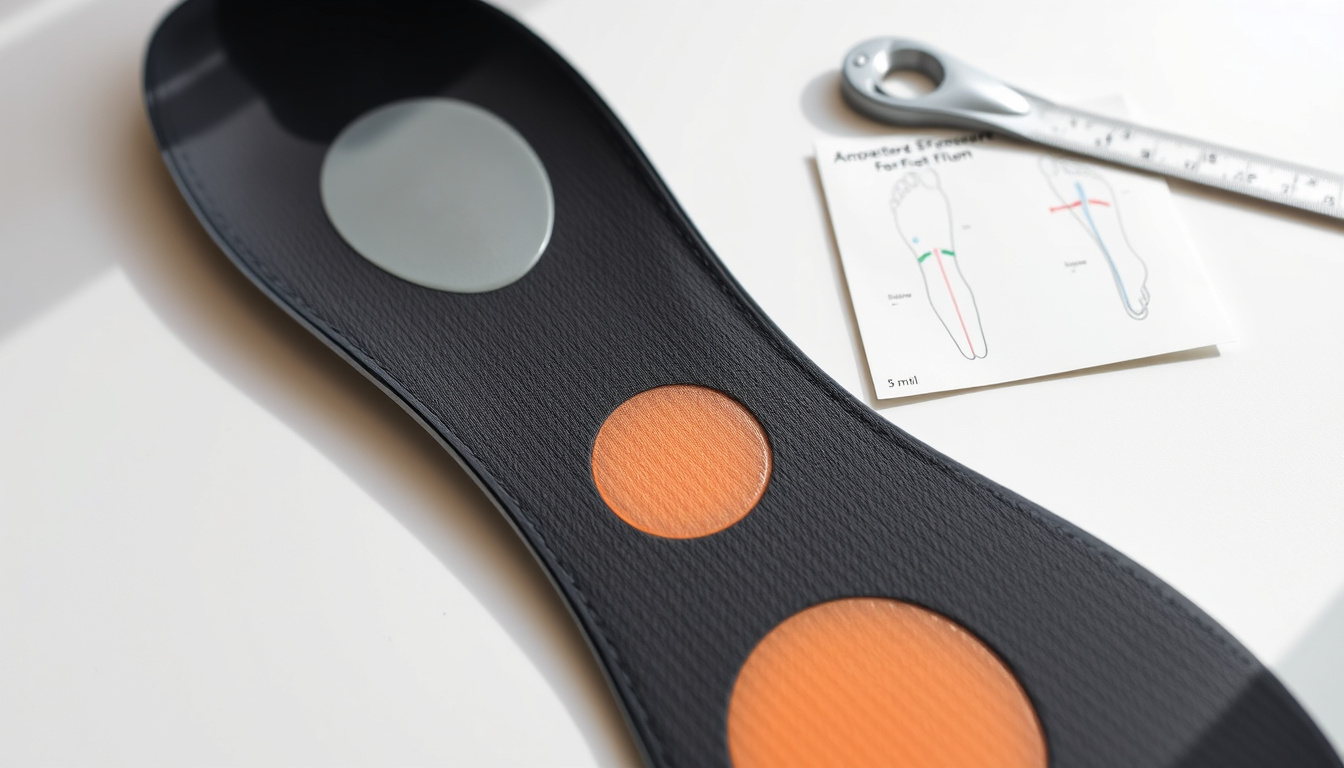
Shoe insoles are more than just a cushion; for many, they are a biomechanical tool that can influence comfort, alignment, and pain levels in everyday footwear. In the UK, where boot and shoe styles vary with the seasons, choosing the right insole means balancing foot condition, material, and fit. This guide looks at the most common problems UK shoppers try to solve with insoles—from shoes that are too big to flat feet—and examines where products like gel insoles and orthotic supports genuinely fit in.
The market is crowded with options, from NHS-approved children’s insoles to performance gel for runners. Yet the core question remains: what should you actually look for when shopping for shoe insoles in the UK? The answer often lies in understanding what the insole is designed to do, how it interacts with your specific shoe type, and whether a simple off-the-shelf product will solve the problem or mask a larger issue.
What Are the Best Shoe Insoles for Shoes That Are Too Big?
When shoes feel loose, whether due to sizing differences or a boot that has stretched over time, the right insole can close that gap. For this fit problem, the priority is volume filling rather than arch support. A thick, cushioned insole made from memory foam or a high-density EVA can take up vertical space, effectively making a shoe feel snugger and preventing heel slip.
Key Insight: Not all insoles are created equal for this task. A thin dress-shoe insert won’t solve a size issue, whereas a chunky running-style insole will.
For shock absorption and pressure relief under the heel and metatarsal heads.
For arch support and alignment, addressing overpronation and plantar fasciitis.
For cushioning and conforming to the foot shape, ideal for standing all day.
Firm arch support and thermal properties, for work boots or winter wear.
For a quick evaluation of an insole’s purpose and material, consider this breakdown:
- Arch support insoles target structural alignment and are preferred for flat feet.
- Gel insoles excel at shock absorption; they are a common material choice for running shoes.
- Insoles for boots often prioritize firmness and durability over pure softness.
- NHS-approved insoles in the UK context are typically limited to specific pediatric products or for diabetic foot care, not general retail.
- Insoles for shoes that are too big should be thick, shaped with a deep heel cup, and preferably come in a size that can be trimmed.
- Orthopedic insoles are distinct from standard insoles in that they are designed for a specific medical condition, though they are not regulated as medical devices in the same way as custom orthotics.
- Material matters: EVA provides a balance of support and bounce, while polyurethane tends to be denser and more durable, making it better for standing.
| Insole Type | Best For | Material | Key Feature |
|---|---|---|---|
| Gel Insoles | Heel shock absorption | Silicone | Cushioning |
| Foam Insoles | Everyday comfort | Polyurethane | Conforming |
| Orthotic Insoles | Flat feet, alignment | Rigid plastic shell | Arch support |
| Boot Insoles | Work boots, hiking | EVA/Leather | Firmness |
| Kids Insoles | Flat feet, growth support | Gel, Foam | Flexibility |
Understanding Orthopedic and Flat Feet Insoles
For those with flat feet, the primary goal of an insole is to restore natural arch height and correct over-pronation. This is where orthopedic insoles differ from standard ones. They are typically constructed from firmer materials like a plastic shell with a supportive arch cup, rather than soft foam. This rigidity is key to providing structural correction.
The NHS advises that flat feet often require a “firm arch support” to reduce strain on the plantar fascia. However, it is a common misconception that all flat feet need bespoke, prescription orthotics. Many people find relief with high-quality off-the-shelf arch support insoles that are available at UK retailers. The choice often comes down to the severity of the arch collapse.
Gel vs. Foam: Material & Biomechanics
The material used in an insole determines its function. Gel insoles are excellent at absorbing shock; they are often recommended for joint pain in the knee or back, as the silicone dissipates impact forces. In contrast, memory foam conforms to the unique shape of a foot, making it ideal for those who stand for long periods and need pressure distribution.
For running or sports, a study cited by Runner’s World indicates that a firm arch support (orthotic) can improve running efficiency, whereas a gel insole primarily offers comfort. For work boots requiring stability on hard surfaces, brands like those recommended by OSHA on anti-fatigue mats suggest that a denser foam is more effective at promoting micro-movement in the leg muscles.
For boots with removable liners: If your boots feel slightly big, consider a thicker insole specifically labelled “for boots”. These are designed with a deeper heel cup and a firmer foam that prevents the foot from sliding forward, which is often the cause of toe-jamming on descents. Brands like SoftMoc’s troubleshooting guide note that half a size adjustment can often be achieved with a simple trimming insole.
How Insoles Compare for Specific Demographics
Demographic plays a significant role in insole selection. Kids have different needs to runners or workers. The Podiatry Today journal highlights that children’s feet are still developing; thus, a rigid orthotic can sometimes cause harm if worn too early. Instead, a flexible gel insole that offers support without over-correction is often preferred.
For adults with plantar fasciitis, the general medical guidance suggests that a firm arch support is more beneficial than a soft one in the mid-foot region, as it offloads the plantar fascia. In contrast, for osteoporosis or arthritic feet, a softer, impact-absorbing foam is recommended to reduce the shock to the joints.
Established: Insoles can prevent calluses and blisters by reducing friction. Unclear: Whether insoles “cure” bunions. In the UK, non-prescription insoles are generally considered a comfort aid, not a primary medical treatment, although a Podiatrist may advise on their use.
Choosing Insoles for Boots vs. Trainers
The internal volume of a boot is significantly different from that of a trainer. Boots, especially work or hiking boots, have a higher topline and a more substantial torsion stiffness. This means the insole must complement the boot’s natural flex. A thick, soft insole might feel comfortable initially but could cause the foot to overheat or lose heel control.
For running shoes, the focus is on a “drop” (heel-to-toe difference) and a curved last. Standard running insoles are often curved at the back to support the heel cup. When swapping insoles, it’s crucial to remove the original one to see if it is glued down or purely a drop-in piece.
Seasonal Needs and Insoles for Boots
- Winter Boots: Opt for a firm orthotic that resists cold and maintains rigidity. Note: Most children do not need special arch support, but if a child has flat feet, the best option is a gel insole that fits closed-toe boots.
- Summer Shoes: Thin, breathable gel insoles that can be aired out and don’t retain moisture, preventing slipping.
- Work Boots: The thickest and firmest support, focusing on anti-fatigue and shin splint reduction. This is where EVA and carbon fiber are preferred.
Be cautious with “too big” solutions. While insoles can fill space, if the insole is too thick, it can crowd the toes and cause blisters. Always check the toe box. If your toes touch the end of the boot when walking with the insole, the insole is too thick, and you need a thinner version.
What About NHS-Approved and Medical Insoles?
The search intent for “NHS approved” is high in the UK. However, it’s important to distinguish between medical-grade insoles provided by a podiatrist and over-the-counter (OTC) insoles that claim NHS backing. The NHS Foot Pain resource states that “there is limited evidence” for the effectiveness of many OTC orthotics unless they are specifically designed for a condition. This is a critical fact for consumers to understand.
The grey area is further complicated by the fact that “orthopedic” is not a protected term in the UK. Any insole with a slight arch can be marketed as orthopedic. For genuine flat-foot support, consumers should look for the terms “rigid”, “semi-rigid”, or “sports orthotic” rather than “cushioned”.
Timeline for Insole Replacement and Care
Insoles are not meant to last forever. Their lifespan depends heavily on usage and material. A good rule of thumb is every 6-12 months for daily wear in trainers, but for boots used seasonally, it can vary.
- 0-3 months: The insole is at its peak cushioning and support. Any break-in period has ended.
- 3-6 months: Foam insoles may begin to lose their shape, and gel may harden. This is often when replacement is advised for moderate usage.
- 6+ months: EVA and foam lose their shock absorption properties. You may notice an increase in shin splints or knee pain, indicating it’s time for new ones. Look for creasing or a flattened arch.
Note on seasonal swap: It is a common misconception that you don’t need to replace insoles seasonally. If you wear heavy boots in winter and light shoes in summer, removing and storing the winter insoles flat in a cool, dry place prolongs their life.
Certainty vs. Uncertainty: What Experts Agree On
There is a distinct difference between established facts about foot care and the marketing claims of insole brands.
| Established Information – Gel insoles provide high shock absorption (material science). – Orthotic insoles are designed for alignment, not just comfort. – Firm arch support is preferable for flat feet over soft foam in the midfoot. |
Information That Remains Unclear – Whether insoles “cure” plantar fasciitis or simply manage it (depends on individual biomechanics). – If a specific brand is “better” without knowing the user’s foot width and specific activity. |
Context: The Role of Material Science
Understanding material composition is essential for UK consumers. Gel is excellent at absorbing pressure, but it can feel heavy and cold in cold weather. Memory foam conforms but offers no bounce, leading to foot fatigue for standing. Polyurethane and EVA are widely used in running shoes for their rebound.
The real value of an insole often comes from its shape. A deep heel cup (like those in orthotics) cradles the foot’s fat pad and keeps it in place, while a metatarsal pad (a small bump) can relieve pressure on the forefoot, addressing issues like Morton’s neuroma. Shoppers should look at the contour of the insole, not just the surface squeeze.
Quotes on Insole Health and Performance
“Most patients with flat feet benefit more from a rigid orthotic that allows the foot to work efficiently than from a squishy pad that provides no structural support.”
General consensus echoed by Podiatrists in literature analyzed by the Journal of Foot and Ankle Research.
“When an insole is used correctly, it is a therapeutic aid, but it is rarely a standalone cure. The shoe itself must support the insole.”
— Perspective shared across NHS guidelines on foot pain.
Summary: Matching the Insole to the Job
In the UK market, the “best” shoe insole is not a universal product. It is a precise answer to a specific problem. For a snug fit in boots, a thick orthotic with arch support insoles is vital. For everyday kids’ feet or runners, a flexible gel insole might be more appropriate. Prioritize clarity on the foot condition (flat feet vs. plantar), then match the material (gel, foam, carbon) to the shoe type. And above all, recognize that while insoles are a powerful comfort tool, persistent pain is a signal to consult a medical professional, as the NHS advises.
Frequently Asked Questions
How do I know if I need new insoles?
If you notice visible wear, a flattening of the arch, or a significant decrease in cushioning, it’s time to replace them. According to guidance from findthisbest.co.uk, most insoles last 3-6 months of daily wear before losing their shock absorption.
Are leather insoles better than synthetic?
Leather wicks moisture away better, making it ideal for dress shoes and boots where feet sweat. However, synthetic gels and EVA are better at shock absorption. For a few UK shoppers, leather is preferred for its smell resistance, but for cushioning, synthetic is superior.
Can I use running insoles in dress shoes?
No. Running insoles are designed with a high heel drop and a curved shape that will likely make dress shoes feel tight. Instead, choose a thin, cushioning insole specifically designed for low-profile shoes to maintain the aesthetic.
What are the benefits of carbon fiber insoles?
Carbon fiber is exceptionally lightweight and stiff, offering superior energy return. It is often used for rigid arch support in sports insoles, but it offers little to no cushioning, making it unsuitable for boots.
Can insoles make my shoes tighter?
Yes, they take up vertical space. If your shoes feel loose, a thick insole can provide a snugger fit. However, always check the topline; if the insole elevates your foot too much and causes pressure on the ankle, the shoe is too small.
Are expensive insoles always better?
Not necessarily. Price often reflects materials and features like anti-bacterial properties, but a basic EVA insole from a reputable brand can outperform a cheap, hard one. Expensive can mean more durable, but not better for your specific foot.

Oliver Arthur Morgan Harrison is a staff writer for StoryShift.uk, covering UK news, culture, politics and technology. He works under Editor-in-Chief Maarika Tamm and UK Managing Editor Oliver Grant, following the newsroom standards for sourcing, verification and fact-checking set out in our editorial policies.