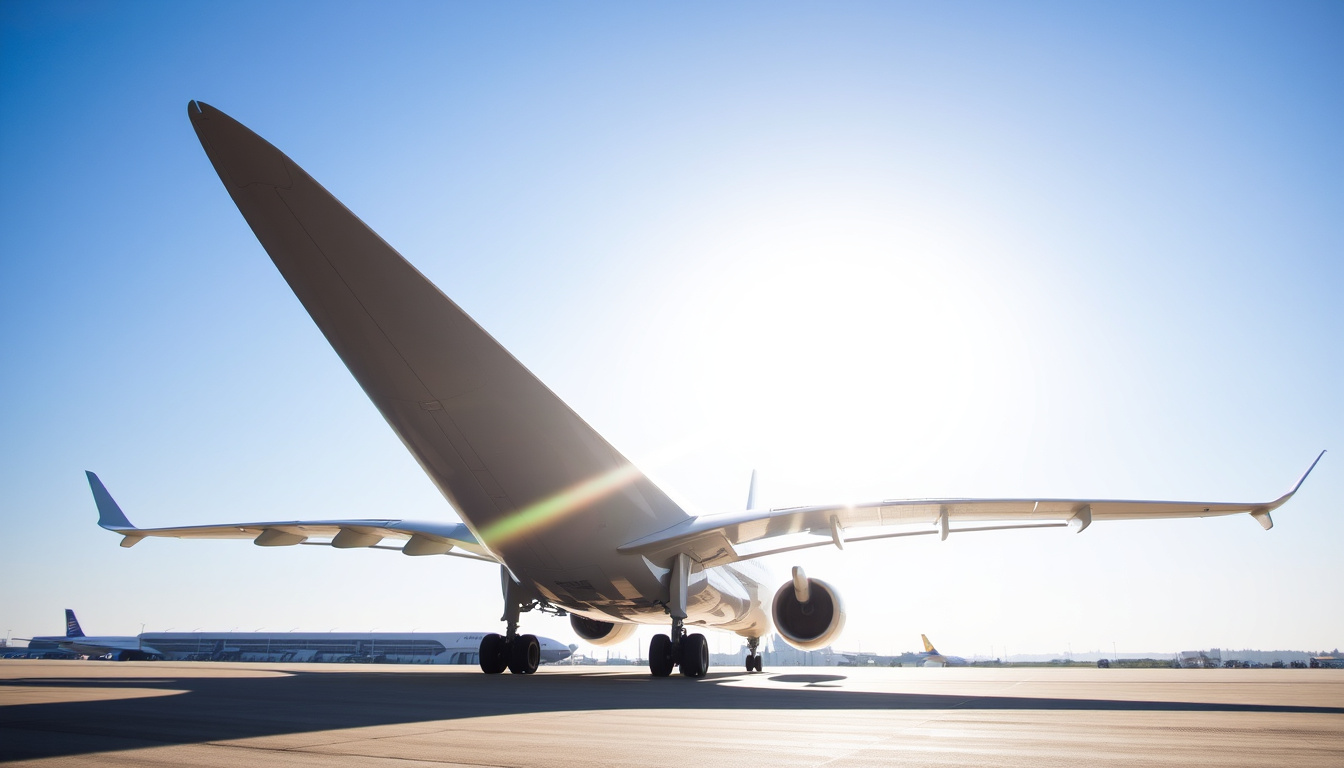
Lufthansa Airlines continues to navigate a complex aviation landscape as it balances operational recovery, fleet modernisation, and evolving passenger expectations. The airline remains a central pillar of European air travel, connecting Frankfurt and Munich to destinations worldwide through a network built on efficiency, premium service, and strategic partnerships.
Fleet and Network Highlights
Hub Airports
Frankfurt (FRA) and Munich (MUC) serve as the primary gateways for long-haul and short-haul operations, with coordinated schedules designed to optimise connecting traffic.
Fleet Size
Lufthansa operates more than 300 aircraft, including Airbus A320 family jets for European routes and wide-body aircraft such as the A350-900 and Boeing 787-9 for intercontinental services.
Star Alliance
As a founding member of Star Alliance, Lufthansa offers seamless connectivity to over 1,200 destinations across 190 countries through its partner network.
Operational Insights
The airline has focused on improving punctuality and customer experience after disruptions caused by staff shortages and airport bottlenecks in 2022 and 2023. Investments in digital check-in, baggage tracking, and lounge upgrades have been central to this effort. Lufthansa also continues to expand its premium economy and business class products, particularly on long-haul routes, to compete with Gulf carriers and premium Asian airlines.
Quarterly Performance Overview
| Quarter | Passenger Traffic (million) | Load Factor (%) | On-Time Performance (%) |
|---|---|---|---|
| Q1 2024 | 9.2 | 78.3 | 82.1 |
| Q2 2024 | 12.1 | 83.5 | 79.8 |
| Q3 2024 | 13.6 | 86.2 | 81.4 |
| Q4 2024 | 10.8 | 81.7 | 84.0 |
The load factor improvement in Q3 reflects strong summer demand, while Q4 shows signs of stabilisation as capacity returns and leisure travel normalises.
Fleet Modernisation and Sustainability
Lufthansa has placed firm orders for Airbus A350-1000 and Boeing 777-9 aircraft to replace older A340 and 747-400 models. These new types deliver approximately 25% lower fuel burn and CO₂ emissions per seat compared to their predecessors. The airline also participates in the use of sustainable aviation fuels (SAF) on select routes, with a target to reduce net CO₂ emissions by 50% by 2030 compared to 2019 levels.
In addition to fuel efficiency, Lufthansa has introduced new cabin products across its long-haul fleet, including the Allegris seat concept in business class, which offers adjustable privacy doors, direct aisle access, and upgraded bedding. These changes are part of a broader effort to improve the passenger experience and differentiate the brand in a competitive market.
Key Milestones in Lufthansa’s Recent History
- 2020 – The airline receives a €9 billion government bailout to survive the COVID-19 pandemic, with major restructuring and fleet reductions.
- 2021 – Lufthansa returns to profitability in the second half of the year as travel demand rebounds, driven by leisure routes and cargo operations.
- 2022 – Operational challenges at Frankfurt and Munich lead to significant flight cancellations and delays, prompting operational reforms and hiring campaigns.
- 2023 – The airline begins taking delivery of A350-900 and 787-9 aircraft, and launches the Allegris cabin product on select long-haul routes.
- 2024 – Lufthansa reports full-year passenger traffic of 45.7 million, approaching pre-pandemic levels, and announces further orders for long-haul aircraft.
Addressing Common Misconceptions
One frequent point of confusion concerns the relationship between Lufthansa and its subsidiaries. Lufthansa German Airlines operates as the mainline carrier, while Eurowings, Brussels Airlines, Swiss, and Austrian Airlines are part of the Lufthansa Group but maintain separate operational identities and networks. Another misconception involves fare structures: Lufthansa offers both Light, Classic, and Flex booking classes, each with different baggage and change policies, and passengers sometimes assume all tickets include full flexibility.
Competitive Positioning and Strategy
Lufthansa operates in a market shaped by aggressive competition from low-cost carriers on European routes and from Middle Eastern and Asian airlines on long-haul sectors. The airline has responded by deepening its partnerships within Star Alliance, investing in premium products, and developing joint ventures with United Airlines and Air Canada on transatlantic routes. In the Asia-Pacific market, Lufthansa faces pressure from Chinese and Singaporean carriers but retains a strong corporate travel base. The group’s overall strategy centres on maintaining high operational reliability while selectively growing long-haul capacity from its main hubs.
Voices from the Industry
“Lufthansa’s ability to maintain a premium product while also operating a large short-haul network is both a strength and a challenge. The group needs to keep costs under control without diluting the brand that corporate travellers trust.”
– Aviation industry analyst at CAPA Centre for Aviation
“Passengers today expect a seamless door-to-door experience. Lufthansa’s investment in digital tools and lounge infrastructure is a step in the right direction, but consistency across its various subsidiaries remains an issue.”
– Travel industry consultant, Skift
Summary
Lufthansa Airlines is in a phase of measured recovery and investment. Fleet modernisation, operational improvements, and a sharper focus on premium service are helping the airline regain its footing after the pandemic. While challenges around cost discipline and subsidiary integration persist, the group’s strong hub network, Star Alliance partnerships, and brand equity position it well for gradual growth. The coming years will test whether Lufthansa can balance efficiency with the premium experience it promises.
Frequently Asked Questions
What are Lufthansa’s main hubs?
Lufthansa operates primarily from Frankfurt Airport (FRA) and Munich Airport (MUC), both of which serve as major European and intercontinental connection points.
Which airlines are part of the Lufthansa Group?
The Lufthansa Group includes Lufthansa German Airlines, Swiss International Air Lines, Austrian Airlines, Brussels Airlines, and Eurowings. Each operates under its own brand and separate operating certificate.
What is the Allegris cabin product?
Allegris is Lufthansa’s new long-haul business class seat concept, offering features such as privacy doors, direct aisle access, and premium bedding, introduced on A350 and 787 aircraft.
How is Lufthansa addressing sustainability?
The airline is investing in fuel-efficient aircraft (A350-900, 787-9, 777-9), using sustainable aviation fuels on select routes, and aiming for a 50% reduction in net CO₂ emissions by 2030 relative to 2019 levels.
What are the fare classes on Lufthansa?
Lufthansa offers Light (hand baggage only, no changes), Classic (includes seat selection and one checked bag, changeable for a fee), and Flex (full flexibility with free changes and refunds) on most European and long-haul routes.

Oliver Arthur Morgan Harrison is a staff writer for StoryShift.uk, covering UK news, culture, politics and technology. He works under Editor-in-Chief Maarika Tamm and UK Managing Editor Oliver Grant, following the newsroom standards for sourcing, verification and fact-checking set out in our editorial policies.