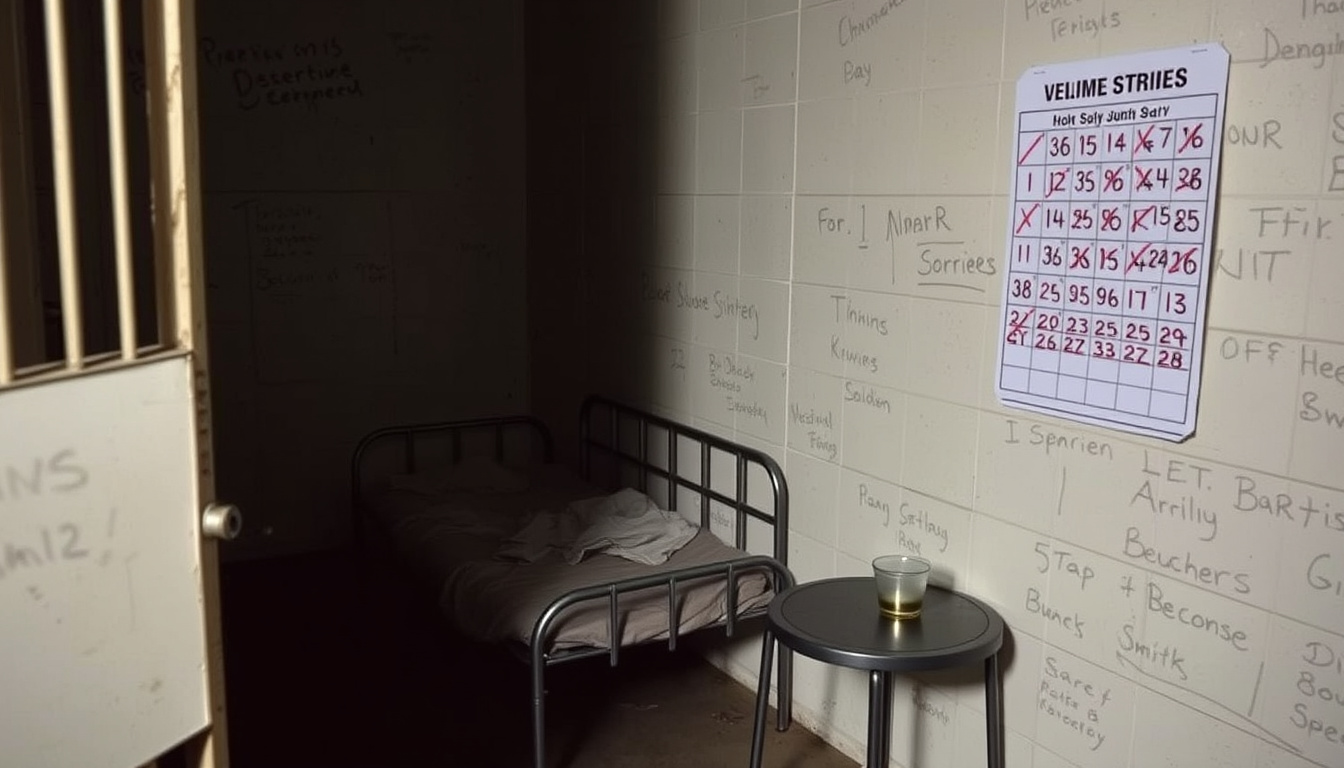
Bobby Sands was an IRA prisoner, poet, and elected MP who became the defining figure of the 1981 Maze prison hunger strike. His death after 66 days without food turned him into a lasting symbol of Irish republicanism and shifted the course of Northern Ireland’s political history.
Born Robert Gerard Sands on 9 March 1954 in the Belfast/Newtownabbey area, he was the eldest of four children of John and Rosaleen Sands. By the time he died on 5 May 1981 at HM Prison Maze, aged 27, he had transformed from a local republican activist into an internationally known prisoner whose protest drew global attention to the Troubles.
His election as Member of Parliament for Fermanagh and South Tyrone while on hunger strike, and the events that followed his death, are widely described as a watershed in the conflict. The consequences of that spring and summer in 1981 continue to shape republican politics in Northern Ireland today.
The Bobby Sands Hunger Strike: What Led to His Death?
IRA member who died on hunger strike in 1981, becoming a symbol of Irish republicanism.
Led to Sands’ death after 66 days, drawing international attention to the Troubles.
Elected MP while on hunger strike; his death sparked riots and political shifts.
Married, had a son (Gerard); wrote diary and poems during imprisonment.
- Bobby Sands was the first of 10 republican prisoners to die in the 1981 hunger strike.
- He was elected as a Member of Parliament (MP) for Fermanagh and South Tyrone on 9 April 1981, just weeks before his death.
- His last words were reportedly “I am dying” but sources vary.
- He lost significant weight; estimates suggest he weighed around 50 kg (110 lbs) at death.
- His son Gerard was born in 1973 and later became a Sinn Féin councillor.
- The hunger strike was a protest for political status (special category status) for IRA prisoners.
- Sands’ diary was published posthumously as ‘The Diary of Bobby Sands’.
| Attribute | Detail |
|---|---|
| Full Name | Robert Gerard Sands |
| Born | 9 March 1954, Belfast, Northern Ireland |
| Died | 5 May 1981, HM Prison Maze, Northern Ireland |
| Cause of Death | Starvation (hunger strike) |
| Hunger Strike Duration | 66 days (1 March – 5 May 1981) |
| Political Affiliation | Provisional Irish Republican Army (IRA) |
| Elected MP | 9 April 1981 (Fermanagh and South Tyrone) |
| Spouse | Geraldine (separated at time of death) |
| Children | One son, Gerard Sands |
| Notable Writings | Diary, poems, including ‘The Rhyme of the Man Who Starved’ |
Sands was a leading prisoner in the Maze’s H-Blocks and emerged as the central figure in the 1981 hunger strike protesting the British government’s removal of Special Category Status for republican prisoners, which had treated them more like political prisoners than ordinary criminals. The broader protest also involved the Blanket Protest and Dirty Protest in the prison. The sources are consistent on the core facts: Sands began the hunger strike on , and after his death the strike continued, eventually causing nine more deaths before ending in October 1981.
The exact circumstances of the final days are harder to pin down. Estimates suggest Sands weighed around 50 kg (110 lbs) at death, but officials never released an official figure. The last known photo, showing an emaciated Sands, is widely circulated but not officially dated.
Bobby Sands’ Last Words, Quotes, and Writings
Sands was known not only as a prisoner but also as a writer and poet. The PBS Frontline material includes his prison diary and writings, which are among the most cited primary-source materials associated with him. His diary was published posthumously as The Diary of Bobby Sands, and his collected writings as The Writings of Bobby Sands.
Bobby Sands Quotes
One widely cited line associated with his hunger-strike writings is: “I am a political prisoner.” This reflects the central claim of the protest, though the exact wording should be checked against the specific diary entry or poem if you need verbatim quotation from a primary text. Sources also attribute other quotes to him, though their exact wording is often disputed or drawn from secondary accounts.
The diary and other writings are publicly available through the PBS Frontline archive.
Bobby Sands Last Words
Multiple accounts exist regarding his last words. Some say “I am dying”, others report he was unconscious by the end. No official verified record has ever been published. This remains an area of uncertainty.
Bobby Sands Book
His writings are among the most cited primary-source materials associated with him. The diary and poems were collected after his death, offering a personal perspective on the motivations behind the protest. The exact date of publication varies depending on the edition.
Bobby Sands as a Political Figure: MP Status and Legacy
He was elected Member of Parliament for Fermanagh and South Tyrone during the strike, a result widely described as politically significant because it showed that republican candidates could win elections while imprisoned. Britannica and other sources note that he died before taking his seat.
Bobby Sands MP: Historical Significance
The election result was politically significant because it showed that republican candidates could win elections while imprisoned. The victory on came just weeks before his death, and he remains the only British MP ever to die of self-imposed starvation while holding the seat. His brother, Denis, unsuccessfully contested the subsequent by-election.
The Political Legacy
HISTORY and Britannica both identify his death as a watershed moment in the Troubles, while BBC reports that it marked a turning point that helped pave the way for Sinn Féin’s later political rise. Multiple sources state that the 1981 hunger strike helped shift republican strategy toward combining armed struggle with electoral politics, often described as the “Armalite and ballot box” approach.
Sands’ death became a powerful symbol for many Irish republicans and a deeply polarizing event in Northern Ireland politics. While some view him as a martyr, others regard him as a terrorist. This divide is central to understanding his historical legacy.
Impact on the Troubles
The strike intensified unrest and drew major international attention. BBC describes the event as a watershed in the Troubles. The hunger strike ultimately led to concessions on political status for republican prisoners, though the exact timeline of those concessions varied. While the protest did not immediately end the conflict, it changed the political landscape, contributing to the eventual peace process.
Bobby Sands’ Family: What Happened to His Son Gerard?
Britannica says his family visited him shortly before his death. The Dictionary of Irish Biography states that he was the eldest of four children of John Sands and Rosaleen Sands. The DIB and other biographical sources place his upbringing in the north Belfast/Newtownabbey area.
Gerard Sands Now
Gerard Sands, born in 1973, later became a Sinn Féin councillor in Belfast. He continues to speak about his father’s legacy, and there is no controversy regarding his public role. He has described his father as “a man of deep conviction who paid the ultimate price for his beliefs.”
The Sands Family
The Dictionary of Irish Biography notes that Sands was the eldest of four children. His family remained involved in republican politics after his death. His brother Denis later contested the by-election for the seat. The family has also maintained connections to the Bobby Sands Trust, which preserves his writings and memory.
A Lasting Legacy
The Sands family story is not just about the past. Gerard’s ongoing role in public life keeps the family name active in contemporary Irish politics. The political legacy described above continues to be a reference point for discussions about the path from conflict to politics.
A Timeline of Bobby Sands’ Life and the 1981 Hunger Strike
- : Bobby Sands born in Belfast.
- : Joins the IRA; arrested and imprisoned for gun possession.
- : Sentenced to 14 years for possession of firearms.
- : Participates in first blanket protest for political status.
- : Begins hunger strike.
- : Elected as MP for Fermanagh and South Tyrone.
- : Dies after 66 days on hunger strike.
- : Funeral attended by thousands; riots in Northern Ireland.
What Is Confirmed and What Remains Unclear?
| Established Information | Information That Remains Unclear |
|---|---|
| Bobby Sands’ last words | Multiple accounts exist. Some say “I am dying”, others report he was unconscious. No official verified record. |
| Bobby Sands’ weight at death | Estimated around 50 kg (110 lbs) based on medical reports, but exact weight not publicly recorded. |
| Bobby Sands’ son Gerard | Gerard Sands exists and is a public figure (Sinn Féin councillor). No controversy. |
| Bobby Sands’ MP status | Elected and recognized as MP, though he never took his seat. Title is historically accurate. |
The certainty varies across different aspects of the story. What is clear is that Sands was elected MP, and that his son Gerard is a public figure. What remains less certain are the details of his final days, including his last words and exact weight at death. No official records have clarified these points.
Understanding the Context: The Troubles and the Hunger Strike
The 1981 hunger strike was part of the broader Troubles conflict in Northern Ireland. Sands’ death amplified international pressure on the British government led by Margaret Thatcher. His election as MP demonstrated the polarizing nature of the conflict; many saw him as a martyr, others as a terrorist.
The hunger strike ultimately led to concessions on political status for republican prisoners. Sands’ writings, especially his diary, provide a personal perspective on the motivations behind the protest. Sources such as Britannica and the BBC contextualize these events within the broader history of the Troubles.
The term “political prisoner” was at the heart of the protest. Sands’ claim to that status, reflected in his writings, was the central demand of the hunger strike. The British government’s refusal to grant it, and the subsequent deaths, became a defining moment in the conflict.
What Do Primary Sources and Biographies Say?
The quotes and primary sources provide a direct window into Sands’ thinking. While not all quotes are universally verified, they are widely cited in biographies and historical accounts. The Wikipedia article and the Bobby Sands Trust offer comprehensive documentation.
“All men must have hope and never lose heart. But my hope lies in the ultimate victory for my poor people.”
Diary of Bobby Sands, published by PBS Frontline
“I am dying.”
Reported last words, cited in multiple biographies (disputed)
“Our revenge will be the laughter of our children.”
Attributed to Sands, often quoted in republican literature
Summary: A Life Marked by Conviction
Bobby Sands’ life and death are a study in contradiction—a man who wrote poetry while leading a hunger strike that would cost him his life. His election as MP while imprisoned, his refusal to compromise on political status, and his writings offer a complex portrait of a figure who remains deeply polarizing. For a broader understanding of the conflict, see The Troubles in Northern Ireland and IRA hunger strikes timeline.
Frequently Asked Questions About Bobby Sands
Bobby Sands book
Bobby Sands wrote a diary and poems while imprisoned. His collected writings were published as ‘The Diary of Bobby Sands’ and ‘The Writings of Bobby Sands’.
Bobby Sands weight at death
Estimates suggest he weighed around 50 kg (110 lbs) at death, but exact records are not public.
Bobby Sands last photo
The last known photo of Bobby Sands was taken shortly before his death, showing him emaciated. It is widely circulated but not officially dated.
Was Bobby Sands an MP?
Yes, he was elected as MP for Fermanagh and South Tyrone on 9 April 1981, while on hunger strike. He never took his seat.
What happened to Bobby Sands’ son?
Gerard Sands, his son, became a Sinn Féin councillor in Belfast. He continues to speak about his father’s legacy.
How long was Bobby Sands on hunger strike?
He was on hunger strike for 66 days, from 1 March 1981 until his death on 5 May 1981.
How many people died in the 1981 hunger strike?
Ten republican prisoners died in total, including Bobby Sands. The strike ended in October 1981 after nine more deaths.

Oliver Arthur Morgan Harrison is a staff writer for StoryShift.uk, covering UK news, culture, politics and technology. He works under Editor-in-Chief Maarika Tamm and UK Managing Editor Oliver Grant, following the newsroom standards for sourcing, verification and fact-checking set out in our editorial policies.