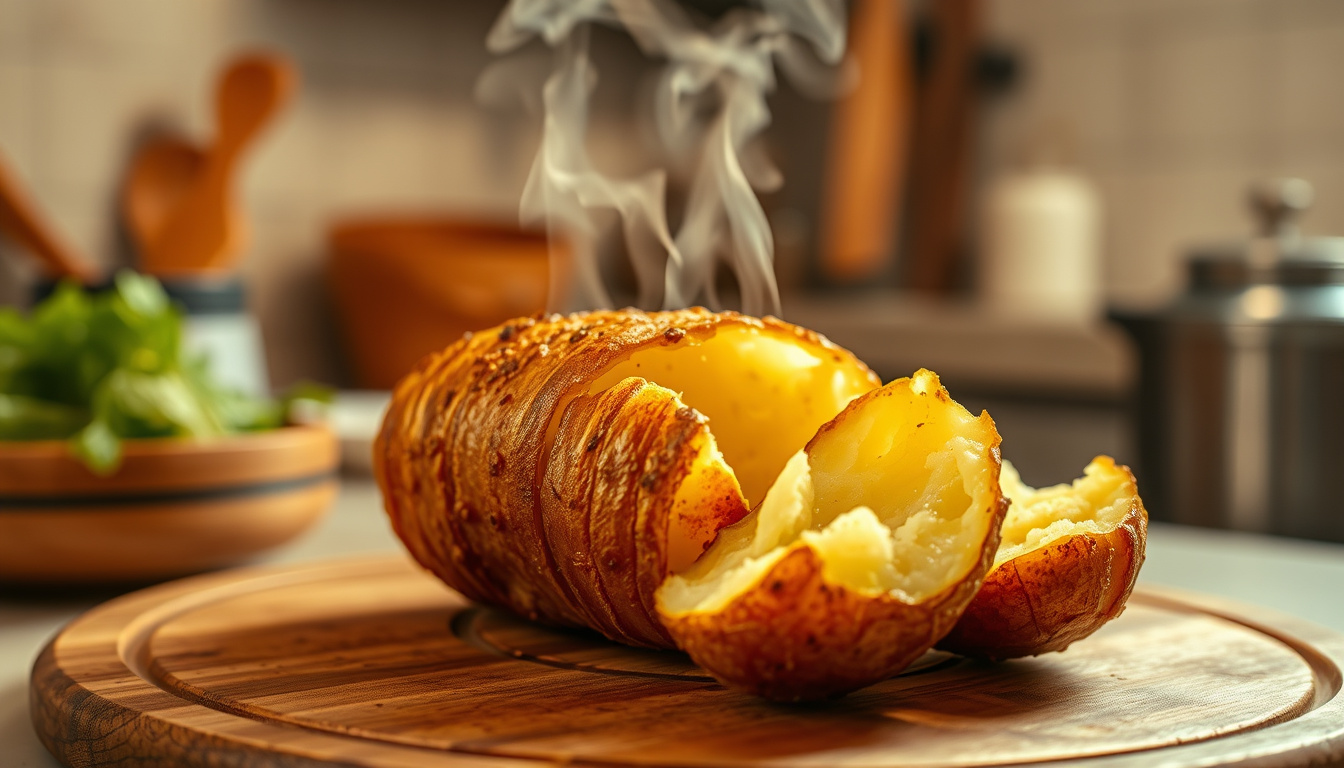
The air fryer has transformed how home cooks approach the classic jacket potato. By circulating hot air around the potato, this appliance delivers exceptionally crispy skin without the lengthy oven preheat or excessive energy consumption. Whether you are cooking for one or feeding a family, the air fryer offers a convenient path to that perfect combination of fluffy interior and crackling exterior.
Russet potatoes remain the top choice for jacket potato preparation due to their high starch content and thick skin, which crisps beautifully under direct heat. The method requires minimal equipment—just the air fryer, a fork for venting, and your preferred seasonings. Most models achieve superior results in under an hour, significantly faster than traditional oven baking.
This guide covers everything from precise cooking times and temperatures to troubleshooting common issues like soft skin or uneven browning. The information draws from multiple tested recipes and cooking guides to help you achieve consistent results every time.
How Long and at What Temperature to Cook Jacket Potato in Air Fryer?
The air fryer eliminates the need for pre-boiling or lengthy oven preheating. Most recipes confirm that placing potatoes directly in the basket and cooking at 400°F produces the crispiest results in the shortest time. Internal temperature should reach between 190°F and 211°F for a fully cooked, fluffy center.
- No pre-boiling required before air frying
- Crispiest skin achieved without using foil
- Piercing with a fork and applying light oil delivers optimal texture
- Flipping halfway ensures even browning on all sides
- Most models do not require preheating
- Energy-efficient alternative to heating a full oven
- Produces less ambient heat in the kitchen compared to oven baking
| Potato Size | Weight | Time at 400°F | Notes |
|---|---|---|---|
| Small | Under 150g | 30-35 minutes | Ideal for single servings |
| Medium | 200-250g (7-8 oz) | 35-40 minutes | Flip halfway through cooking |
| Large | 280-350g (10+ oz) | 45-50 minutes | Check at 25 minutes; add time if needed |
| Extra Large | Over 400g | 50-55 minutes | May require higher temp adjustment |
| Sweet Potato | Varies | Shorter time needed | Adjust based on density and size |
Step-by-Step: How to Make Perfect Jacket Potato in Air Fryer
Preparing the Potatoes
Begin by selecting firm, unblemished russet or Idaho potatoes. Wash each potato thoroughly under cold water, scrubbing the skin to remove any dirt. Pat them completely dry with a clean kitchen towel, as excess moisture leads to steaming rather than crisping.
Using a standard dinner fork, pierce each potato 6-8 times around the surface. These holes serve a critical safety function: they allow steam to escape during cooking, preventing the potatoes from bursting inside the appliance. Some cooks prefer to create holes on all sides, while others focus on the flatter surfaces where pressure builds most.
Always pierce potatoes before cooking. The intense heat inside an air fryer creates significant steam pressure, and unvented potatoes can burst unexpectedly, creating a mess and potential burn hazard.
Seasoning for Best Results
Lightly coat each potato with a thin layer of oil using a spray bottle or paper towel. Avocado oil and olive oil both withstand the cooking temperature well. Alternatively, a light coating of cooking spray works equally effectively.
Generously sprinkle kosher or sea salt over the oiled surface. The salt draws out moisture from the skin, promoting that desirable crispy texture. Optional additions include garlic powder, smoked paprika, or black pepper rubbed into the skin before cooking. Some cooks use a saltwater bath method, soaking potatoes in a solution of 2 cups water and half a cup of salt for particularly intense seasoning.
The Cooking Process
Place prepared potatoes directly in the air fryer basket without wrapping them in foil. Positioning matters—ensure potatoes sit in a single layer with adequate spacing between them. Overcrowding restricts air circulation and results in uneven cooking and softer patches on the skin.
Set the temperature to 400°F and cook for 20-25 minutes before flipping. This initial period allows the skin to begin crisping while the interior gradually heats through. After flipping, continue cooking for an additional 15-25 minutes depending on potato size.
Test for doneness by inserting a fork or thin knife into the center. The utensil should slide in effortlessly with no resistance. The internal temperature should register between 200°F and 210°F when measured with a probe thermometer.
Tips for Crispy Skin and Fluffy Inside on Air Fryer Jacket Potato
Achieving the ideal combination of crispy exterior and fluffy interior requires attention to several key factors. The air fryer’s convection action creates that restaurant-quality texture, but proper preparation and technique determine the final result.
Avoid foil entirely when seeking crispy skin. Foil traps steam and creates a soft, steamed texture rather than the crackling crust that characterizes a proper jacket potato.
- Dry thoroughly: Any remaining moisture on the skin converts to steam during cooking, softening the exterior
- Use salt liberally: Kosher or sea salt draws out skin moisture and creates crunch
- Oil lightly: A thin coating helps seasonings adhere and promotes browning without excessive fat
- Flip midway: Rotating potatoes halfway through cooking prevents uneven browning and ensures consistent crispness
- Don’t overcrowd: Proper air circulation reaches all surfaces when potatoes have breathing room
- Pat dry after washing: This single step makes a measurable difference in final texture
- Rotate halfway: Gently turn potatoes in their oil and salt coating when flipping for extra crispness
Common Mistakes to Avoid
Soft skin typically results from either using foil or overcrowding the basket. When potatoes touch during cooking, the trapped moisture between them creates steam that softens the skin. Always maintain spacing between each potato.
Burnt or excessively dark skin indicates the temperature runs too high for your specific model, or the potatoes cooked longer than necessary. If browning occurs too quickly, reduce temperature to 390°F or flip earlier than the standard halfway point. Removing potatoes at 200°F internal temperature allows for carryover cooking without the exterior overcooking further.
Undercooked centers happen when potatoes are particularly large or dense. Testing with a fork provides the most reliable doneness indicator. If resistance exists when testing, return the potato to the air fryer for additional 5-minute intervals until the fork slides through easily.
Cooking Jacket Potato from Frozen in Air Fryer
Cooking frozen jacket potatoes requires adjusting both time and technique. While fresh potatoes remain the standard approach, frozen potatoes offer convenience when planning ahead proves difficult. According to available cooking guidance, extending the cooking time by 10-15 minutes accommodates the frozen state.
For best results, thaw frozen potatoes in the refrigerator overnight before air frying. If cooking from fully frozen, add 10-15 minutes to the standard time and flip more frequently to prevent the exterior from overcooking before the center warms through.
Begin checking the internal temperature earlier than you would with fresh potatoes. The exterior can reach optimal crispness while the center remains frozen, so monitoring prevents the frustrating experience of burnt skin with an icy core.
Timeline: Air Fryer Jacket Potato from Start to Finish
- Preparation (5 minutes): Wash and scrub potatoes, pat dry, pierce 6-8 holes with a fork
- Seasoning (2 minutes): Lightly coat with oil, sprinkle generously with salt and optional seasonings
- First cooking phase (20-25 minutes): Air fry at 400°F without flipping
- Flip and rotate (1 minute): Turn potatoes to the opposite side, optionally reapply oil and salt
- Second cooking phase (15-25 minutes): Continue air frying until fork-tender
- Rest and serve (2-3 minutes): Remove from air fryer, slice open, fluff interior, add toppings
Established Facts vs. Remaining Uncertainties
| Established Information | Information That Remains Uncertain |
|---|---|
| 400°F (200°C) is the recommended temperature for most air fryer models | Exact preheating benefits vary significantly between different air fryer brands |
| 35-50 minutes total cooking time depending on potato size | Optimal oil type may vary based on specific air fryer models and wattages |
| Flipping halfway through prevents uneven browning | Whether convection fans in some models require different timing adjustments |
| Piercing 6-8 holes prevents bursting | How humidity levels in different kitchens affect crispiness |
| No foil produces crispier skin than foil-wrapped cooking | Specific adjustments needed for very high-altitude cooking locations |
Air Fryer vs. Oven: Which Method Produces Better Jacket Potatoes?
The air fryer offers several distinct advantages over traditional oven baking for jacket potatoes. Cooking times range from 35-50 minutes in an air fryer compared to 60-90 minutes in a conventional oven. This efficiency stems from the appliance’s compact size and focused heat delivery rather than heating an entire cavity.
Skin crispness consistently favors the air fryer method. The circulating hot air reaches all surfaces evenly, creating that characteristic crackling texture. Oven-baked potatoes often develop softer skin despite longer cooking times, particularly when multiple potatoes share space and generate collective steam.
Energy consumption differs notably between methods. The air fryer’s focused heating element consumes less electricity than heating a full oven, and it generates minimal ambient warmth. This makes air fryers particularly practical during warm weather or in small kitchens where oven heating creates discomfort.
Batch capacity represents the oven’s primary advantage. Large families or gathering cooking may require multiple air fryer cycles where an oven could accommodate all potatoes simultaneously. The single-layer requirement in air fryer baskets limits immediate output compared to oven racks.
Toppings and Serving Suggestions for Air Fryer Jacket Potatoes
Traditional toppings remain popular for good reason—the classic combination of butter, sour cream, cheddar cheese, chives, and crispy bacon complements the fluffy interior and crispy skin perfectly. These familiar flavors require no advance preparation and satisfy most palates.
More adventurous options include chili, cashew cream for dairy-free alternatives, or simple black pepper. Adding toppings after removing the potato from the air fryer preserves the skin’s crispiness, as hot toppings sitting on the surface introduce moisture that softens the exterior.
Always add toppings after removing the potato from the air fryer. The residual heat melts cheese and softens butter while preserving the crispy skin texture beneath.
Where This Recipe Fits in Your Cooking Repertoire
The air fryer jacket potato stands as a versatile foundation for countless meals. Its simplicity makes it an ideal weeknight option when time constrains meal preparation, yet its satisfying results elevate it beyond mere convenience food. The method works equally well for quick lunches or substantial dinner accompaniments.
Pair this recipe with complementary dishes from related collections. Roasted vegetables, fresh salads, or grilled proteins balance the potato’s carbohydrates and create complete, nourishing meals. The flexibility of toppings means jacket potatoes adapt to various cuisines and dietary preferences without requiring separate preparation methods.
The technique transfers well to other root vegetables as confidence develops. Sweet potatoes, red potatoes, and even larger carrot specimens respond to similar principles with adjusted timing based on density and water content. Exploring these variations keeps the cooking experience fresh while building intuitive understanding of how the air fryer interacts with different ingredients.
Sources and Expert Guidance
The air fryer consistently produces crispier skin than traditional oven baking while reducing cooking time by nearly half. Russet potatoes work best due to their high starch content and thick skin structure.
— Air Fryer Recipe Testing Guides
No preheating is necessary for most air fryer models when cooking jacket potatoes. Starting from room temperature and placing potatoes directly in the preheated basket achieves optimal results.
— Air Fryer Manufacturer Guidelines
Summary
Air fryer jacket potatoes deliver restaurant-quality results with minimal effort and time investment. Cooking at 400°F for 35-50 minutes, depending on potato size, produces crispy skin and fluffy interiors without foil wrapping. Proper preparation—thorough drying, adequate piercing, and generous seasoning—determines success more than any specific equipment. The method outperforms traditional oven baking in speed and skin texture while consuming less energy. For those seeking efficient, satisfying meals, the air fryer approach merits inclusion in any regular cooking rotation.
Frequently Asked Questions
What are the best toppings for air fryer jacket potatoes?
Classic options include butter, sour cream, cheddar cheese, chives, and bacon bits. More creative choices include chili, cashew cream, or simply black pepper. Always add toppings after cooking to preserve skin crispiness.
How does an air fryer compare to an oven for cooking jacket potatoes?
Air fryers cook jacket potatoes in 35-50 minutes compared to 60-90 minutes in an oven. They produce crispier skin due to circulating hot air and generate less ambient heat in the kitchen.
What is the nutritional value of an air fryer jacket potato?
A medium 7-8 ounce russet potato contains approximately 157 calories, 36g carbohydrates, 4g protein, 0.5g fat, and 2.5g fiber when cooked without toppings. Nutritional values vary based on potato size and added toppings.
Do you need oil for crispy air fryer jacket potatoes?
Light oil coating improves crispiness and helps seasonings adhere, but oil-free cooking is possible. Salt alone draws out moisture for crunch, though oil enhances the overall texture and browning.
Why did my jacket potato explode in the air fryer?
Explosions occur when steam cannot escape during cooking. Always pierce potatoes 6-8 times with a fork before cooking to create vents for steam release. This safety step prevents pressure buildup.
Should I wrap jacket potatoes in foil for the air fryer?
Avoid foil when seeking crispy skin. Foil traps steam and creates a soft, steamed texture. Direct air circulation against the potato skin produces the desired crispy exterior.
How do I know when an air fryer jacket potato is fully cooked?
A fork or knife should slide into the center effortlessly. The internal temperature should reach 200-210°F. If resistance exists, continue cooking in 5-minute intervals until done.
Can I cook jacket potatoes from frozen in an air fryer?
Frozen potatoes can be cooked in an air fryer by extending the time by 10-15 minutes at 400°F. Thawing overnight in the refrigerator produces more consistent results than cooking from fully frozen.

Oliver Arthur Morgan Harrison is a staff writer for StoryShift.uk, covering UK news, culture, politics and technology. He works under Editor-in-Chief Maarika Tamm and UK Managing Editor Oliver Grant, following the newsroom standards for sourcing, verification and fact-checking set out in our editorial policies.