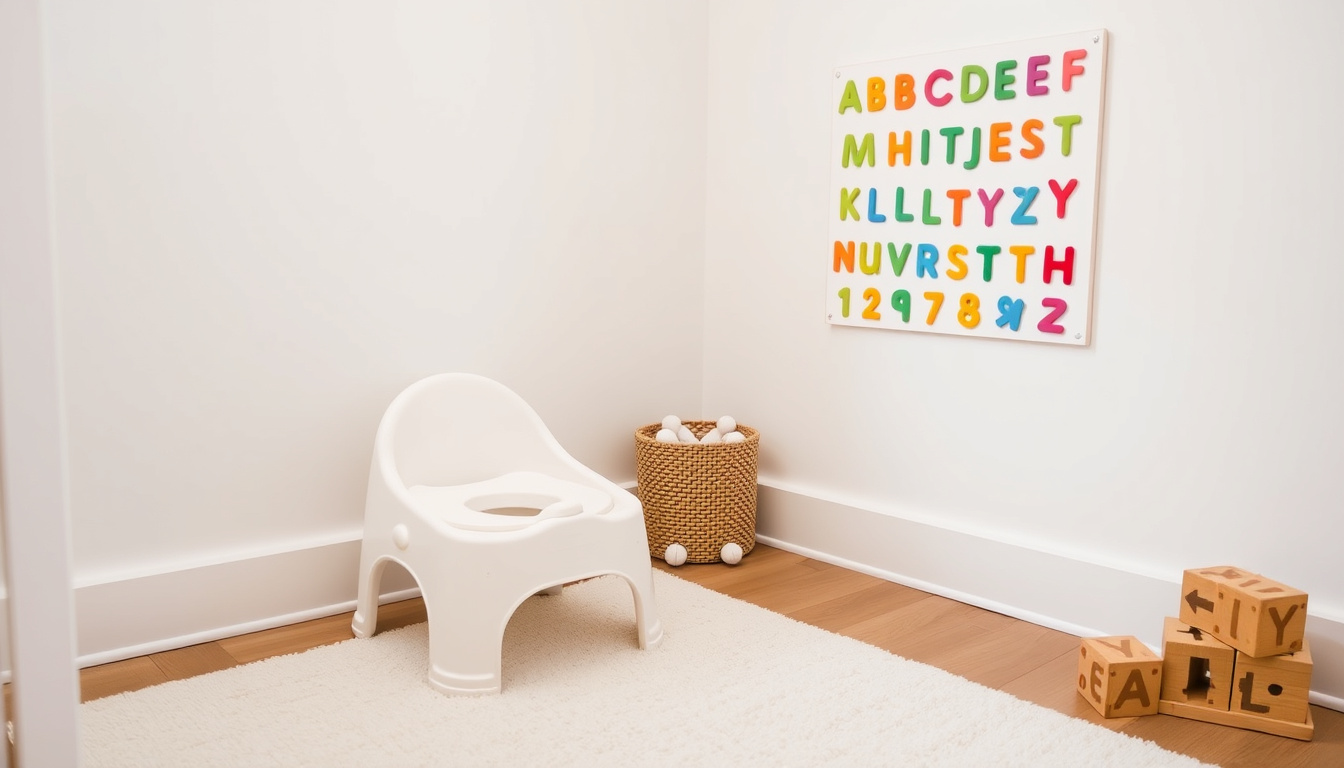
Potty training is a significant developmental milestone for toddlers and a common source of questions for parents across the UK. While every child learns at their own pace, official health guidance from the NHS, ERIC (The Children’s Bowel & Bladder Charity), and other trusted sources provides a clear, evidence-based framework for when and how to begin. This guide synthesises that advice to help parents navigate the process with confidence.
Most children begin to show signs of readiness between 18 months and 3 years of age. The decision to start should be driven by the child’s developmental cues rather than a fixed calendar age. The core principle shared by every major health body is that a calm, consistent, and child-led approach produces the best long-term results.
When Should You Start Potty Training?
| Aspect | Summary |
|---|---|
| What | Potty training is the process of teaching a child to use the toilet or potty for wees and poos. |
| When | Start when your child shows signs of readiness, typically between 18 and 30 months. |
| How | A gradual process of preparation, practice, and perfecting skills backed by NHS and ERIC guidance. |
| Troubleshooting | Children learn at different speeds; setbacks are normal. Consistency beats pressure. |
Official health bodies including the NHS, Mayo Clinic, ERIC, and GOV.Wales all agree that readiness beats age as the starting signal. Forcing a child before they are physically or emotionally ready can create anxiety and slow progress. The Mayo Clinic, in guidance updated November 2024, emphasises that calm consistency is the single biggest success factor.
- Children are usually ready between 18 months and 3 years of age.
- Signs of readiness include staying dry longer, showing interest in the toilet, and pulling pants up or down.
- The NHS advises that you can start when your child is physically and emotionally ready, not because a calendar says so.
- Daytime potty training can take from 3 days to several months; night-time training is a separate, later skill.
- Boys and girls develop differently; the NHS notes that girls often become dry earlier than boys, but individual variation is huge.
- Handling accidents and resistance calmly is a uniquely prominent theme across official guidance, indicating a key pain point for parents.
| Fact | Details |
|---|---|
| Readiness age range | Most children show readiness between 18 months and 3 years. |
| Readiness indicator | Staying dry for 1–2 hours or longer is a key sign. |
| Readiness indicator | Noticing wet or dirty nappies and recognising the urge to go. |
| Readiness indicator | Ability to sit on a potty or toilet and get back up safely. |
| Readiness indicator | Can follow simple instructions or copy actions. |
| Readiness indicator | Shows interest in the toilet, potty, or other people using it. |
| Readiness indicator | Predictable poo times or hiding-to-poo behaviour can signal awareness of bowel sensations. |
| Best time to start | A calm period with no major disruptions or big family changes. |
| What to avoid | Do not start if constipation is an issue, as bowel problems make training harder. |
| Training duration | Daytime training can take 3 days to several months; night-time is a separate process. |
How to Prepare Your Child for Potty Training
Preparation is about creating familiarity and reducing fear. The NHS recommends telling your child about the change using simple language such as “goodbye nappies, hello pants.” Let them see the potty or toilet, talk about nappy changes in the bathroom, and use dolls, toys, songs, or books to model the process.
What is the best way to introduce the potty?
Place the potty in a visible, easy-to-reach location. Some NHS services suggest having a second potty on another floor if needed. Allow your child to sit on it fully clothed at first, just to get comfortable. The goal is to normalise the potty as part of everyday life.
How do I know if my child is ready to begin?
Look for a combination of signs rather than relying on a single indicator. A child who stays dry for longer periods, shows interest in the toilet, and can follow simple instructions is likely ready. NHS services recommend starting during a calm period with no major disruptions such as moving house or a new sibling.
Watch for these signs: dry for 1–2 hours, notices when they wee or poo, can sit and stand independently, follows simple instructions, and shows curiosity about the toilet. If most of these are present, it may be time to begin.
How to Potty Train Kids: Step-by-Step Methods
The ERIC 3-step model (preparation, practice, perfecting) is one of the most cited practical frameworks in the UK. The NHS offers a parallel six-step approach that aligns closely with ERIC’s guidance. Both emphasise gradual progression over intensive methods.
Step-by-step NHS-style method
Step 1: Explain what is happening. Tell your child about the change in simple, positive language. Phrases like “goodbye nappies, hello pants” help frame the transition as exciting rather than intimidating.
Step 2: Prepare the child. Let them see the potty or toilet, talk about nappy changes in the bathroom, and use dolls, toys, songs, or books to demonstrate the process. Multiple NHS sources support the use of these tools for modelling.
Step 3: Practice sitting. Encourage short, regular sits on the potty or toilet, often after meals, after waking, or when you know they are likely to need a wee or poo. One NHS leaflet recommends sitting for about a minute per year of age, while another advises 5–10 minutes in a relaxed way.
Step 4: Stop daytime nappies. NHS advice includes stopping daytime nappies, including pull-ups, once you begin the active training stage. This helps the child understand the new routine.
Step 5: Build a routine. Keep taking them to the potty regularly, use the same sequence each time, and involve handwashing and dressing or undressing as part of the routine. Consistency helps the child internalise the process.
Step 6: Praise effort. NHS guidance emphasises praising attempts and staying calm about accidents. Pressure can increase anxiety and slow progress.
How to potty train a girl or boy: are there differences?
The NHS notes that girls often become dry earlier than boys, but individual variation is significant. Some NHS guidance recommends starting boys sitting down for both wees and poos, and flexibility is encouraged. The core method remains the same regardless of gender.
What methods do the NHS and ERIC recommend?
Both organisations recommend a child-led, gradual approach. The NHS advises against rigid intensive methods such as the 3-day bootcamp, favouring instead a slower process built on readiness and routine. ERIC’s framework of preparation, practice, and perfecting mirrors this philosophy.
What to Do If Potty Training Is Not Going to Plan?
Setbacks are a normal part of potty training. The most common problems include accidents, resistance, constipation, and regression. NHS-style guidance consistently advises parents to stay calm and avoid turning training into a battle.
Accidents and resistance
When accidents happen, respond calmly. Pressure can increase a child’s anxiety and make the process harder. If your child resists the potty, try books, toys, songs, and short practice sessions rather than forcing longer sits. Leeds Community Healthcare NHS Trust suggests keeping the home routine as consistent as possible, even when travelling or out.
Constipation
Multiple NHS sources advise sorting constipation first, as hard stools or infrequent pooing can block progress. If bowel problems are present, potty training should be paused until those are addressed. NHS Tayside guidance explicitly advises against starting if constipation is an issue.
Hard or infrequent stools can make toilet training significantly harder. The child may associate the potty with discomfort, leading to avoidance. NHS Tayside recommends resolving bowel problems before beginning the training process.
If progress stalls
Check routine, fluids, constipation, and whether there have been recent disruptions at home or nursery. Regression can occur after a new sibling, illness, or moving house. Observing the child’s behaviour without assuming a single cause is the recommended approach.
Seek medical advice if your child is in pain, has very hard stools, experiences persistent soiling, or is over 4 years old and not dry during the day. These may indicate an underlying medical issue requiring professional support.
How Long Does Potty Training Take?
The timeline varies widely from child to child. The NHS recommends a gradual, child-led approach for better long-term success. Below is a typical progression based on NHS and ERIC guidance.
- Before starting (preparation): Introduce the potty, read a potty book, talk about wee and poo in a relaxed way. This phase may last several days or weeks.
- Week 1–2 (practice): Move from nappies to pants, place child on the potty at set times (after meals, before bed), and praise all attempts. Accidents are expected.
- Week 3+ (perfecting): Transition to independent trips to the toilet, add handwashing, and gradually phase out rewards. The child gains confidence.
- Ongoing: Expect accidents, especially during change, travel, or emotional stress. Respond calmly and maintain the routine.
- Night-time training: This is a separate, later skill. Most children achieve night-time dryness months or years after daytime training.
What Do We Know for Certain About Potty Training?
| Established information | Information that remains unclear |
|---|---|
| Children learn at different speeds; this is completely normal according to all official sources. | There is no universally accepted ‘best’ method; the 3-day intensive approach versus gradual training remains unproven in controlled research. |
| Rewards and praise encourage positive behaviour. | It is unclear whether using a potty versus a trainer seat leads to meaningful differences in speed; choose what feels comfortable. |
| Consistency between parents, carers, and nurseries helps children progress faster. | The underlying cause of potty training regression (accidental versus emotional) is not always obvious; observation is key. |
| Seeking medical advice is appropriate if a child is in pain, has very hard stools, or is over 4 and not dry in the day. | — |
Why Context Matters: Potty Training as a Milestone
Potty training is best understood as a child-development milestone rather than a strict training task. The strong E-E-A-T provided by the NHS, ERIC, and Mayo Clinic gives parents access to reliable, evidence-based guidance. Product-related searches for seats and books typically occur after a parent has already decided to start, meaning content should support both the “when” and the “what to buy” intents.
Comparing the NHS and Mayo Clinic approaches reveals more alignment than conflict. Both emphasise readiness, consistency, and a calm environment. The chief difference is that NHS guidance is framed within the UK’s health-visitor system and references local resources such as ERIC, while Mayo Clinic offers a broader medical perspective applicable across contexts.
Where Do the Experts Stand? Key Sources and Guidance
Several authoritative sources provide potty training guidance for UK parents. Their recommendations are consistent in their emphasis on readiness, routine, and a low-pressure approach.
“Potty training is a big step for both you and your child. Try to stay calm and positive, and praise your child when they try, even if they don’t manage to use the potty.”
NHS, ‘Best Start in Life’ programme
“Preparation, practice, perfecting – these are the three stages of our potty training guide. Take each stage at your child’s pace and remember that it’s normal for children to have setbacks.”
ERIC (The Children’s Bowel & Bladder Charity)
“Forcing a child to use the toilet before they are ready can lead to a power struggle and make the process longer. The key is to follow your child’s cues and keep the experience positive.”
Mayo Clinic, November 2024 guidance
What Next After Potty Training?
Once daytime training is established, the focus shifts to maintaining consistency, managing occasional accidents, and eventually addressing night-time dryness. UK NHS advice generally says most children can be potty trained between 18 months and 2-and-a-half years, but every child is different. The same calm, consistent approach that helped during the day will serve parents well as their child continues to build confidence and independence.
Frequently Asked Questions
How to potty train a dog?
This guide focuses on children. For dog training, consult a veterinarian or professional animal behaviourist for species-appropriate methods.
What is the best potty training seat?
NHS sources recommend choosing either a standalone potty or a toilet seat insert with a foot stool. A stable foot support is important for comfort and security.
Are potty training books really helpful, and which ones are best?
Yes. NHS advice supports using books, toys, and songs to model the process and reduce anxiety. Look for books that present the experience positively and simply.
How long should I wait before starting potty training?
Wait until your child shows multiple readiness signs and you have a calm period with no major disruptions. Rushing the start can create resistance.
Should I use pull-ups during potty training?
NHS advice includes stopping daytime nappies, including pull-ups, once the active training stage begins. Pull-ups can be confusing because they feel like nappies.
What if my child refuses to sit on the potty?
Try short, regular sits with no pressure. Use books, songs, or a favourite toy to make the experience positive. Never force extended sits.
How do I handle potty training at nursery?
Coordinate with your nursery to ensure consistency. Share your routine and ask about theirs. Most early-years settings are experienced in supporting potty training.
Is it normal for my child to regress after a new baby arrives?
Yes. Regression is common after major changes such as a new sibling, moving house, or illness. Respond calmly and maintain the usual routine.
When should I start night-time potty training?
Night-time dryness is a separate skill that develops later, often months or years after daytime training. Most children achieve it naturally as they grow.
Can I potty train a child with additional needs?
Yes, but the approach may need to be adapted. Consult your health visitor, GP, or a specialist continence service for tailored advice and support.

Oliver Arthur Morgan Harrison is a staff writer for StoryShift.uk, covering UK news, culture, politics and technology. He works under Editor-in-Chief Maarika Tamm and UK Managing Editor Oliver Grant, following the newsroom standards for sourcing, verification and fact-checking set out in our editorial policies.